Mad World—SoMad’s annual gathering around environmental art—is back for its 2026 iteration: A Bag to Breathe Into.
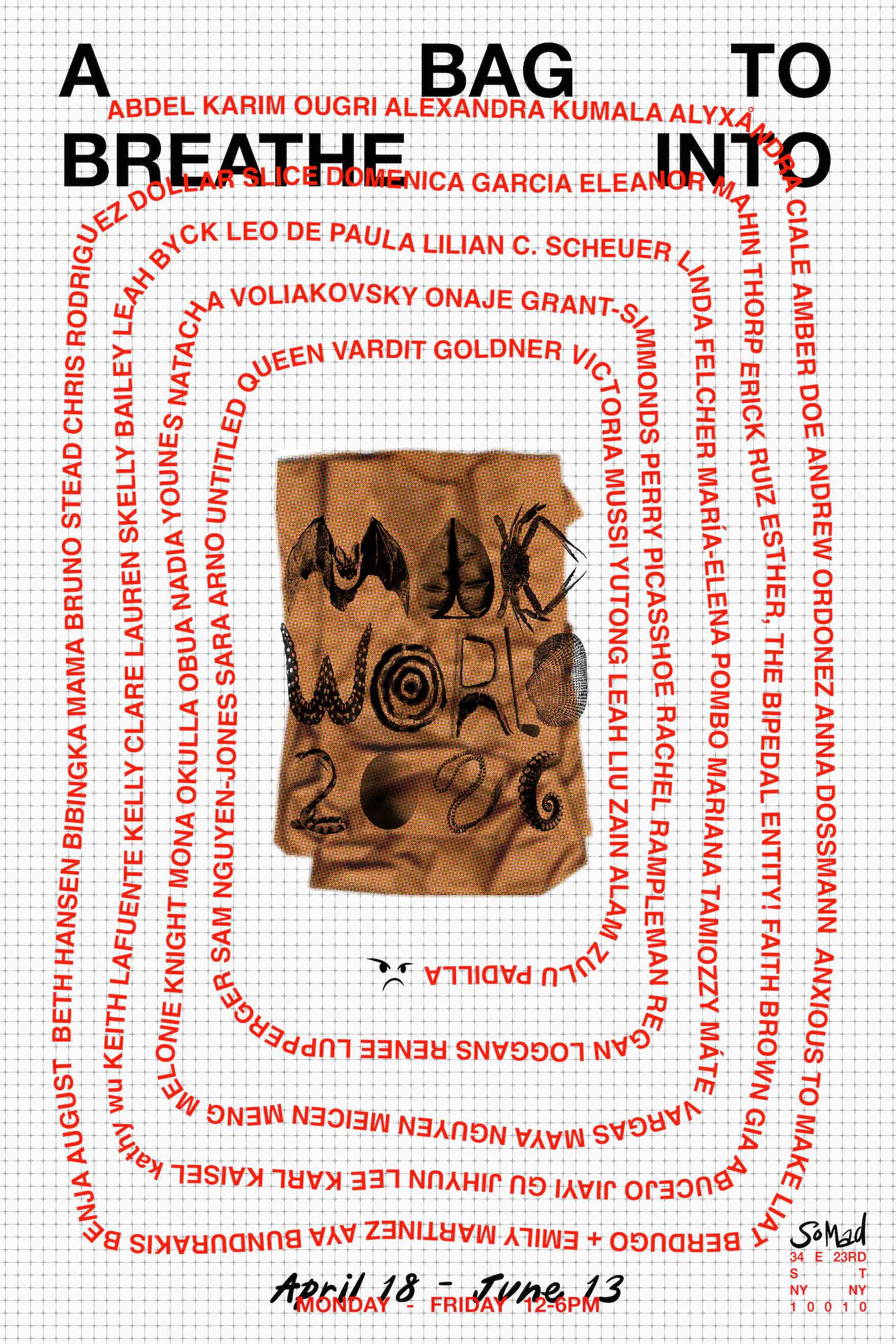
This Mad World spans the globe in its scope, illustrating the interconnectedness of all living things and the struggles we each face as we share in this experience of life on Earth. Grounded in the framework of Intersectional Environmentalism, the curation refuses to separate issues of social justice from concerns of environmental collapse. The exhibition draws from the writings of Kimberlé Crenshaw, the Combahee River Collective, and Leah Thomas, among other sources of queer and Black feminist thought, with its title originating from the poem “A Personal History of Breathing” by Joy Priest.
Mad World questions the limits of environmentalism as it is conceived within institutional and mainstream society, recognizing that environmental injustices and social inequalities are interconnected and disproportionately affect oppressed communities. The selected group of artists presents works that directly challenge the systems that oppress us and our environment. Their practices engage with themes including colonialism, development, migration, stress, disability justice, and Afro-surrealism. In response to our collective anxieties, we seek to imagine alternative systems of care, emphasize a return to ancestral practice, and inspire cultural action.
3rd Floor Gallery
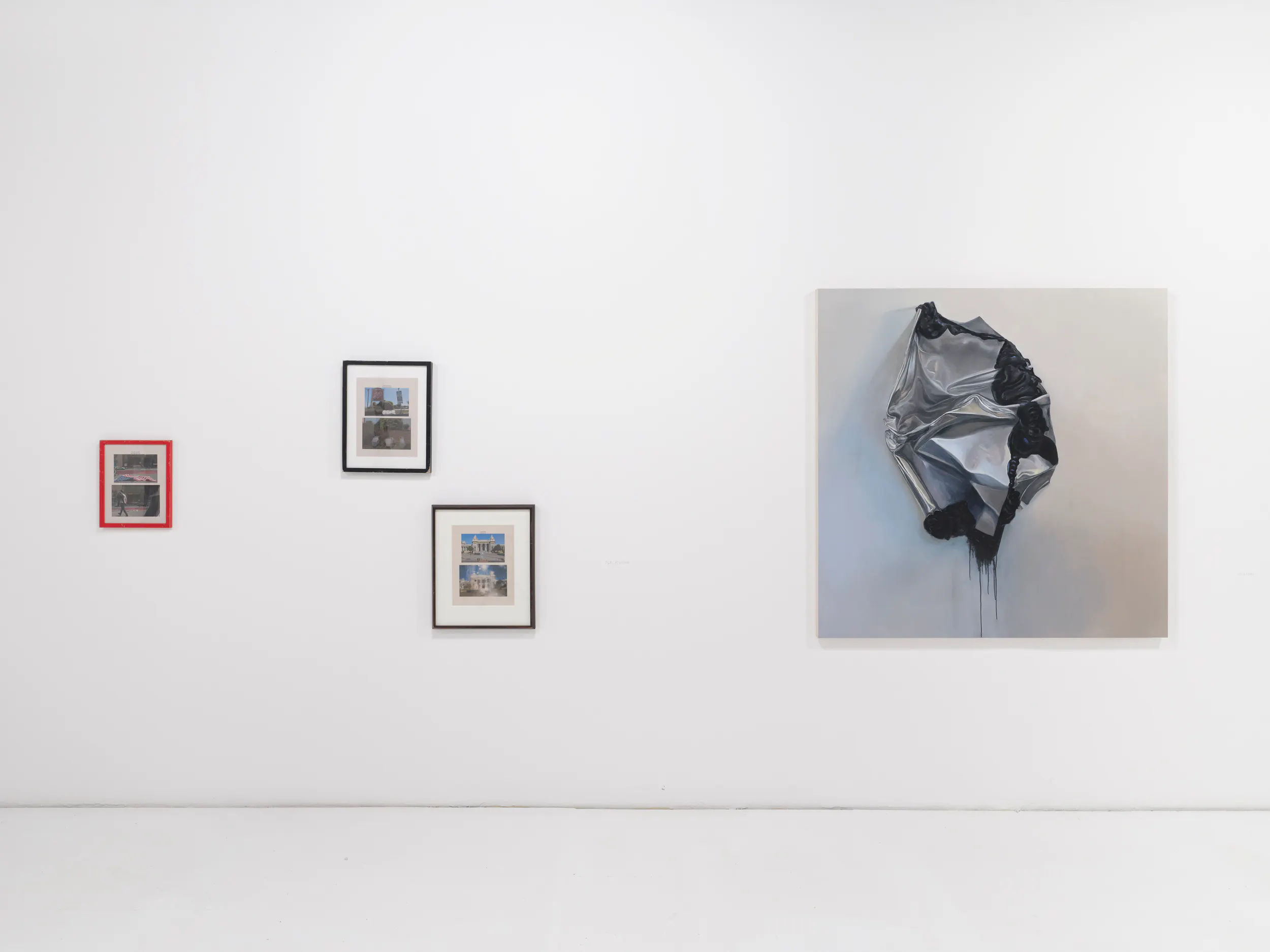
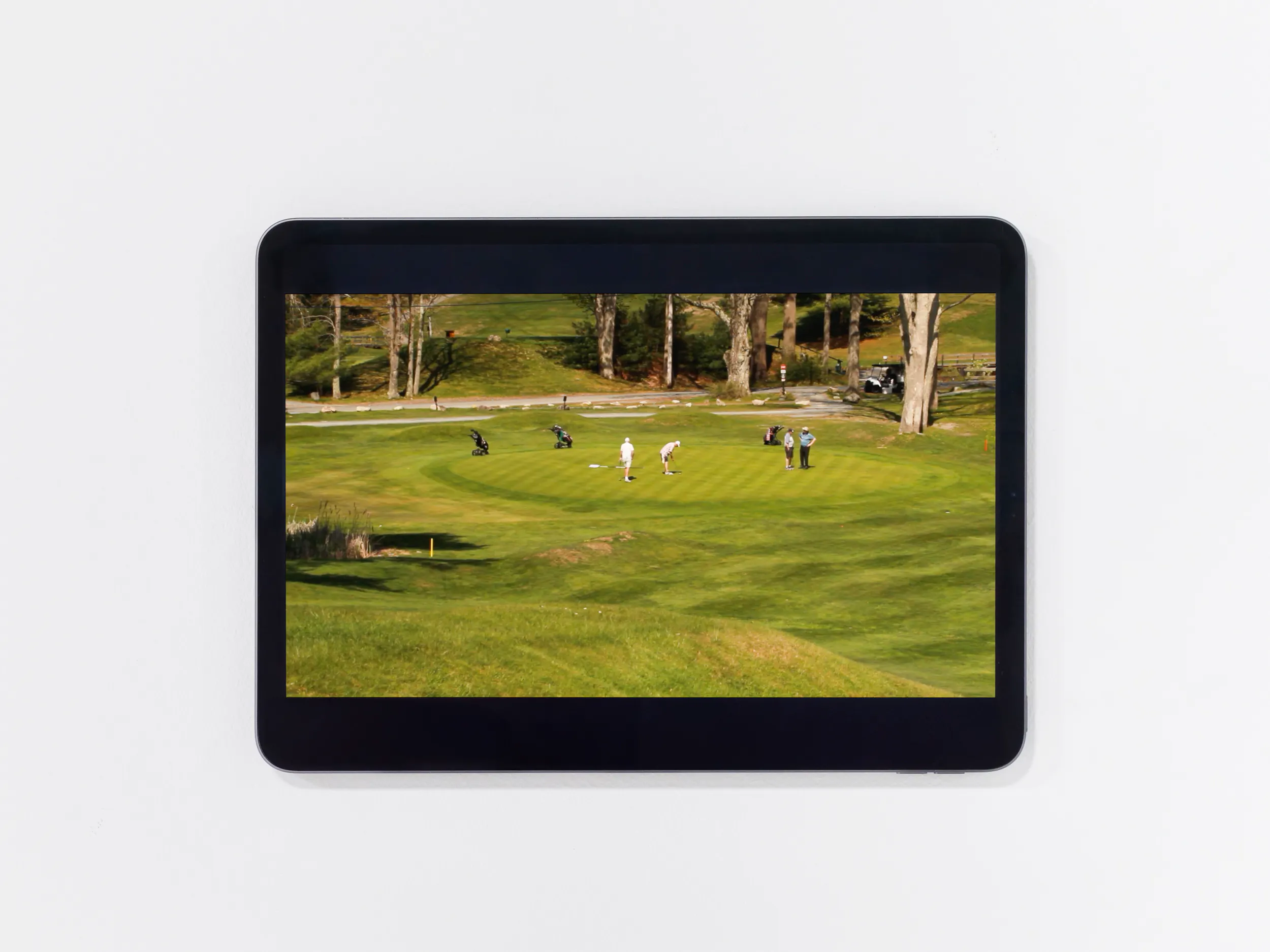
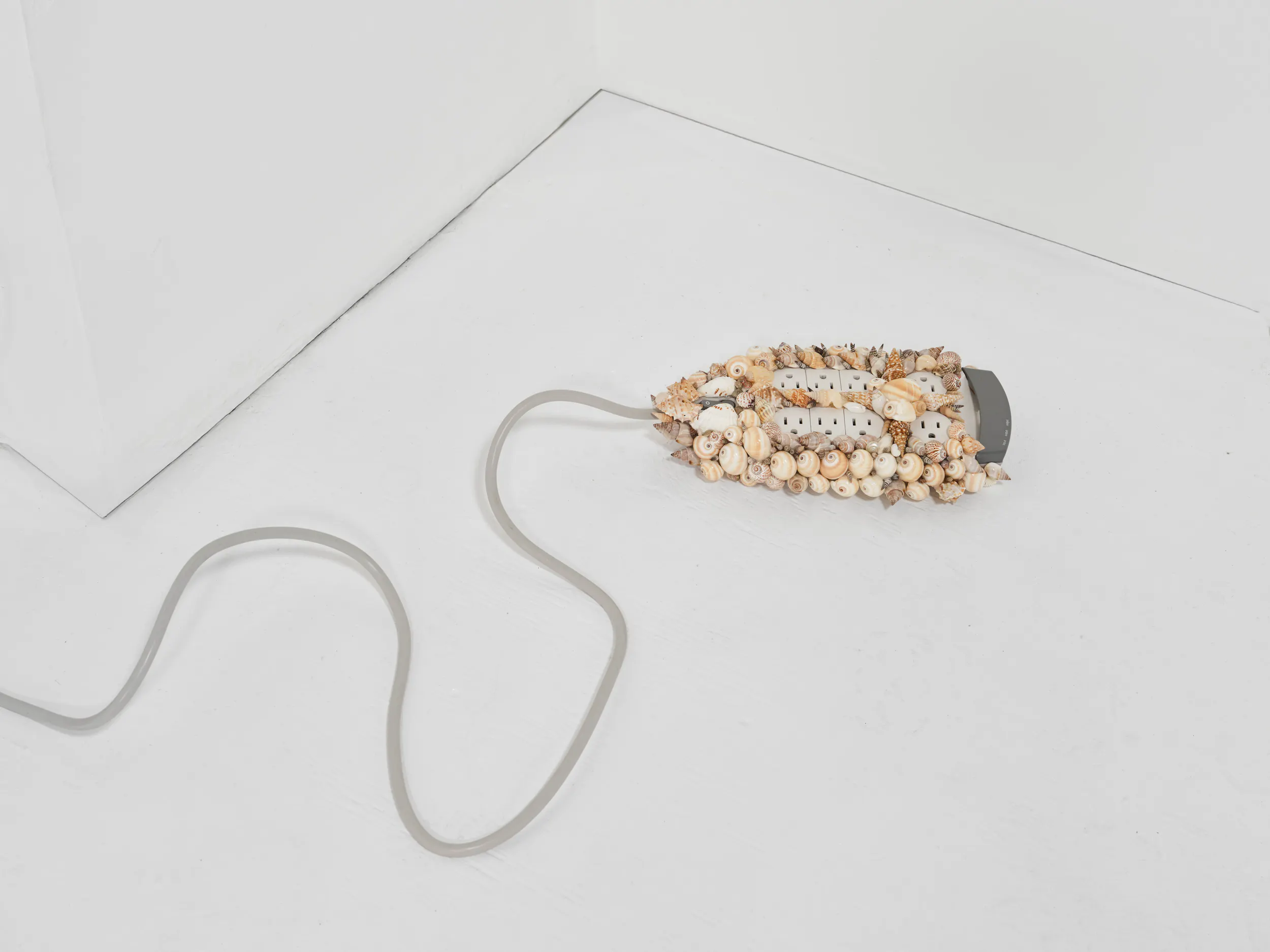
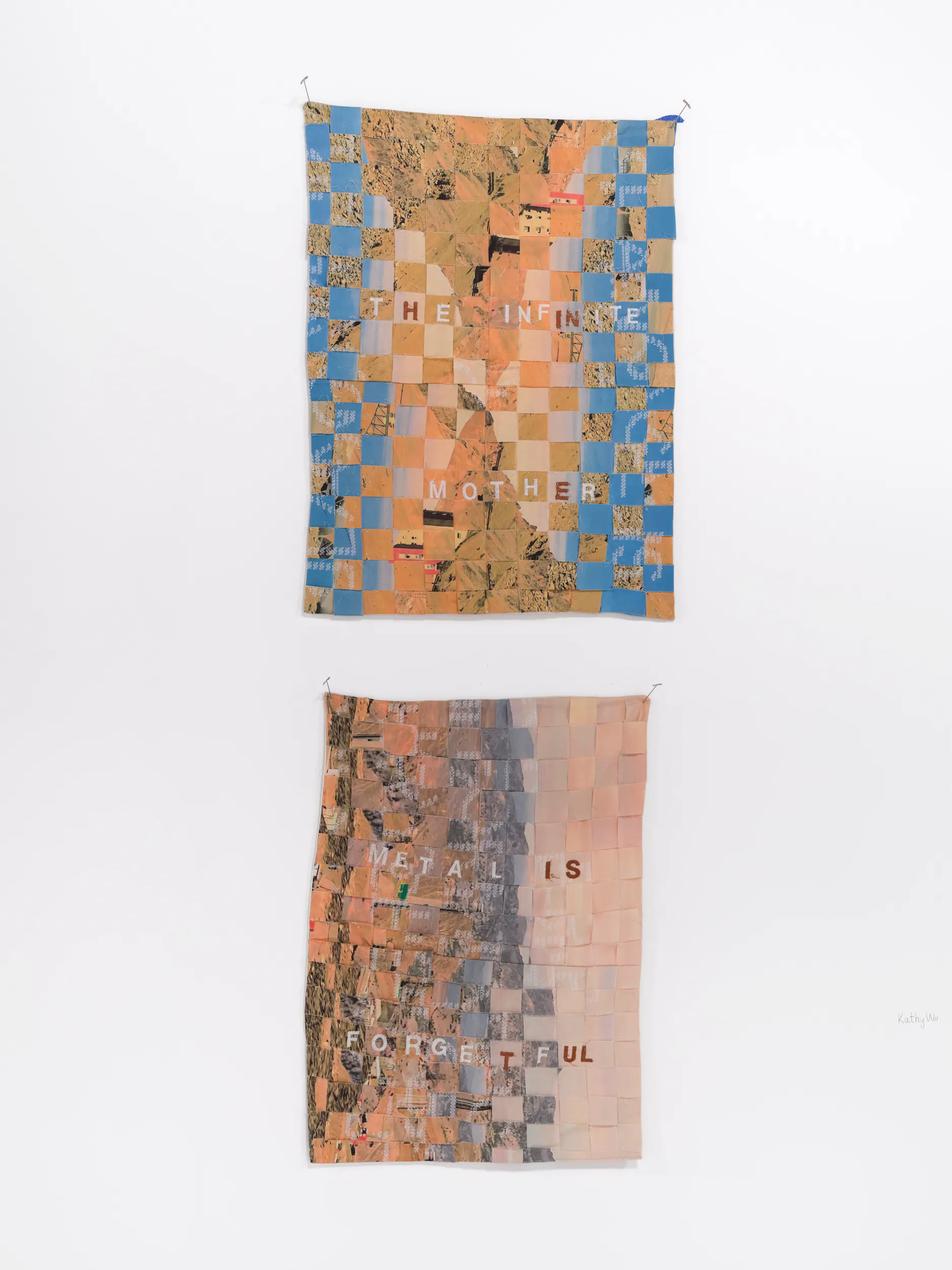
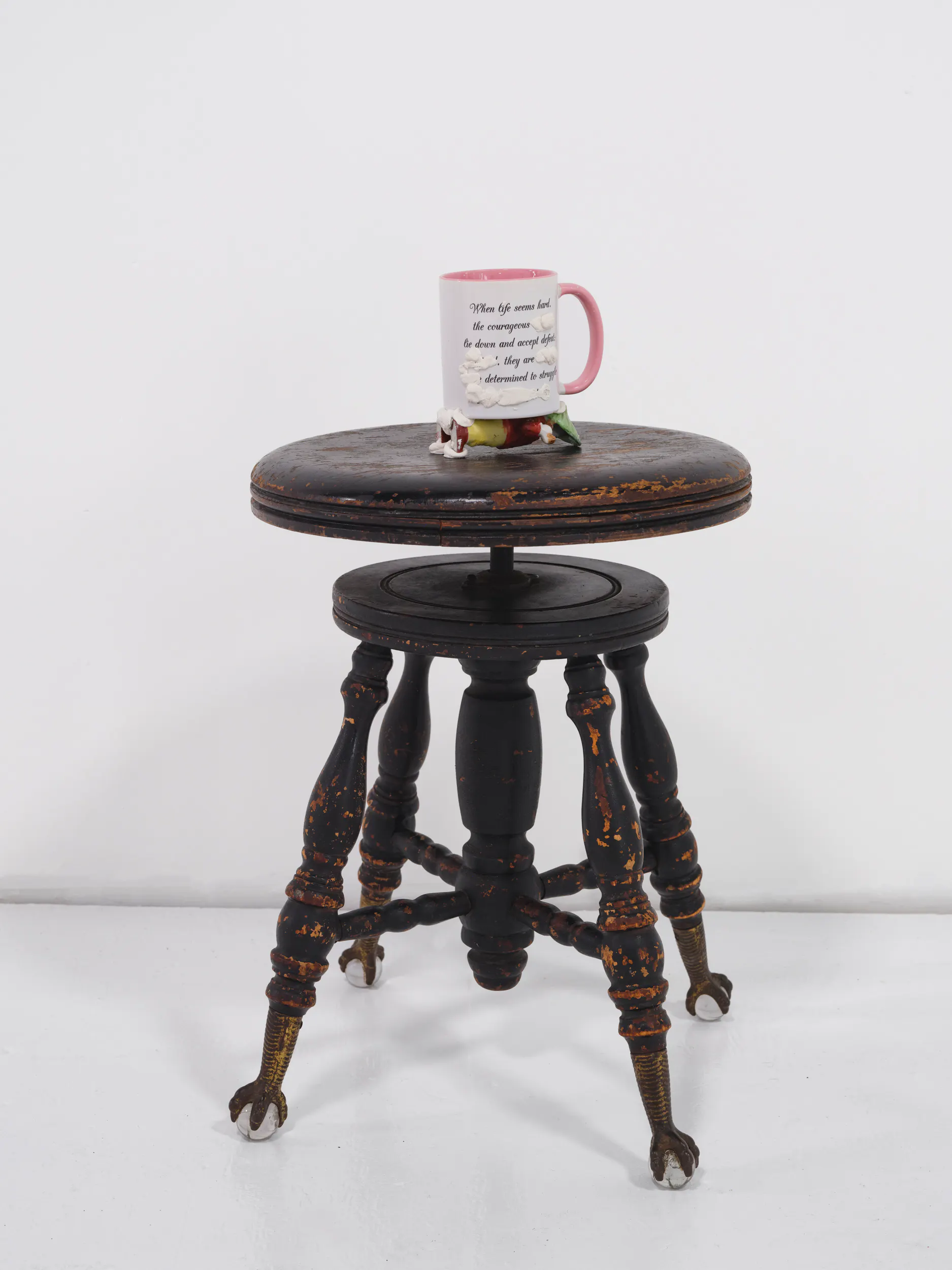
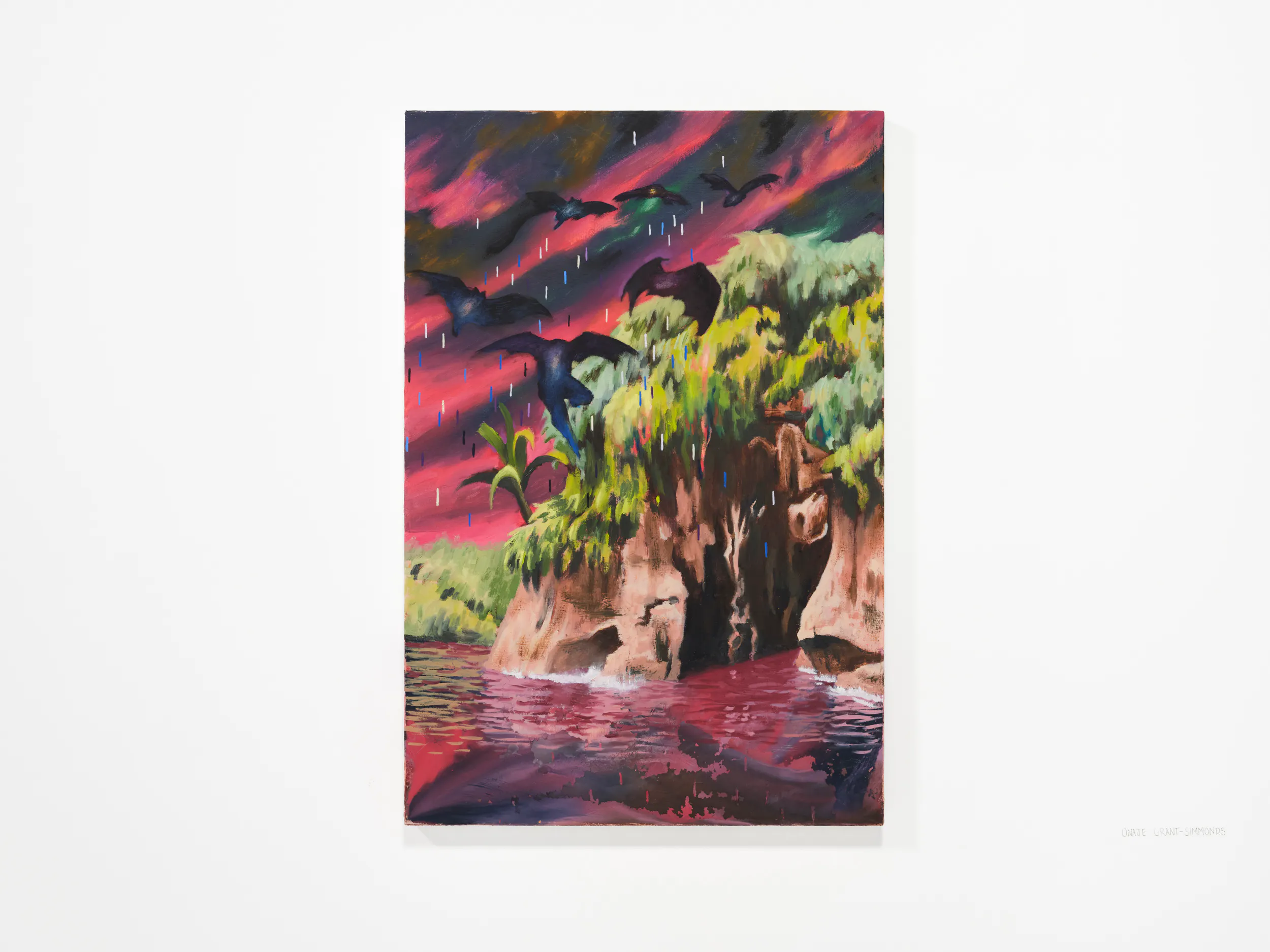
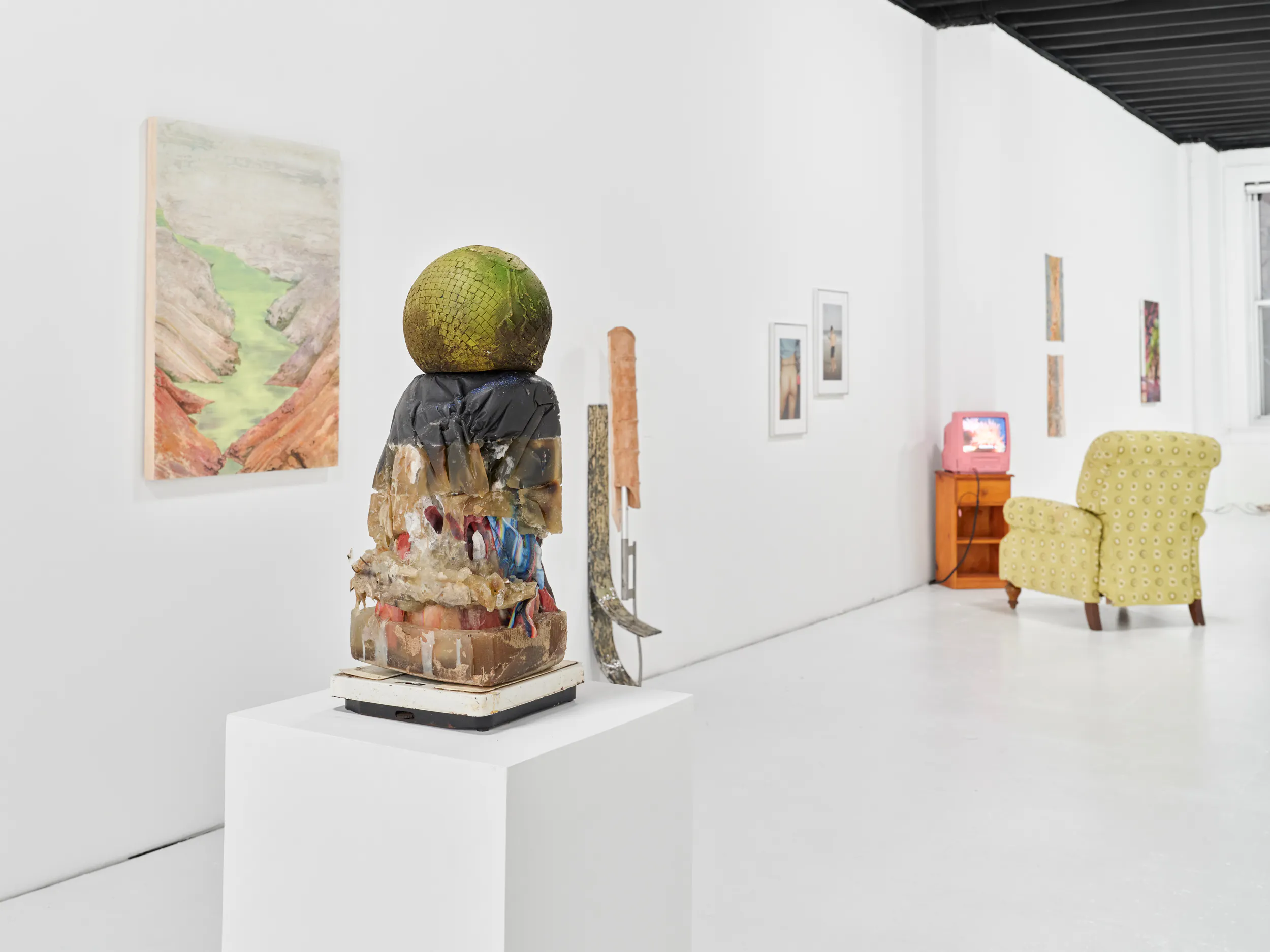
The third floor gallery presents artworks ranging from photography, installation, drawing, painting, sculpture, video, and cross- and anti-disciplinary works. Spanning a broad global environmental lens, the works engage with themes of colonialism, migration, displacement, land, and resistance — grounding the exhibition's framework of Intersectional Environmentalism in material, lived experience.
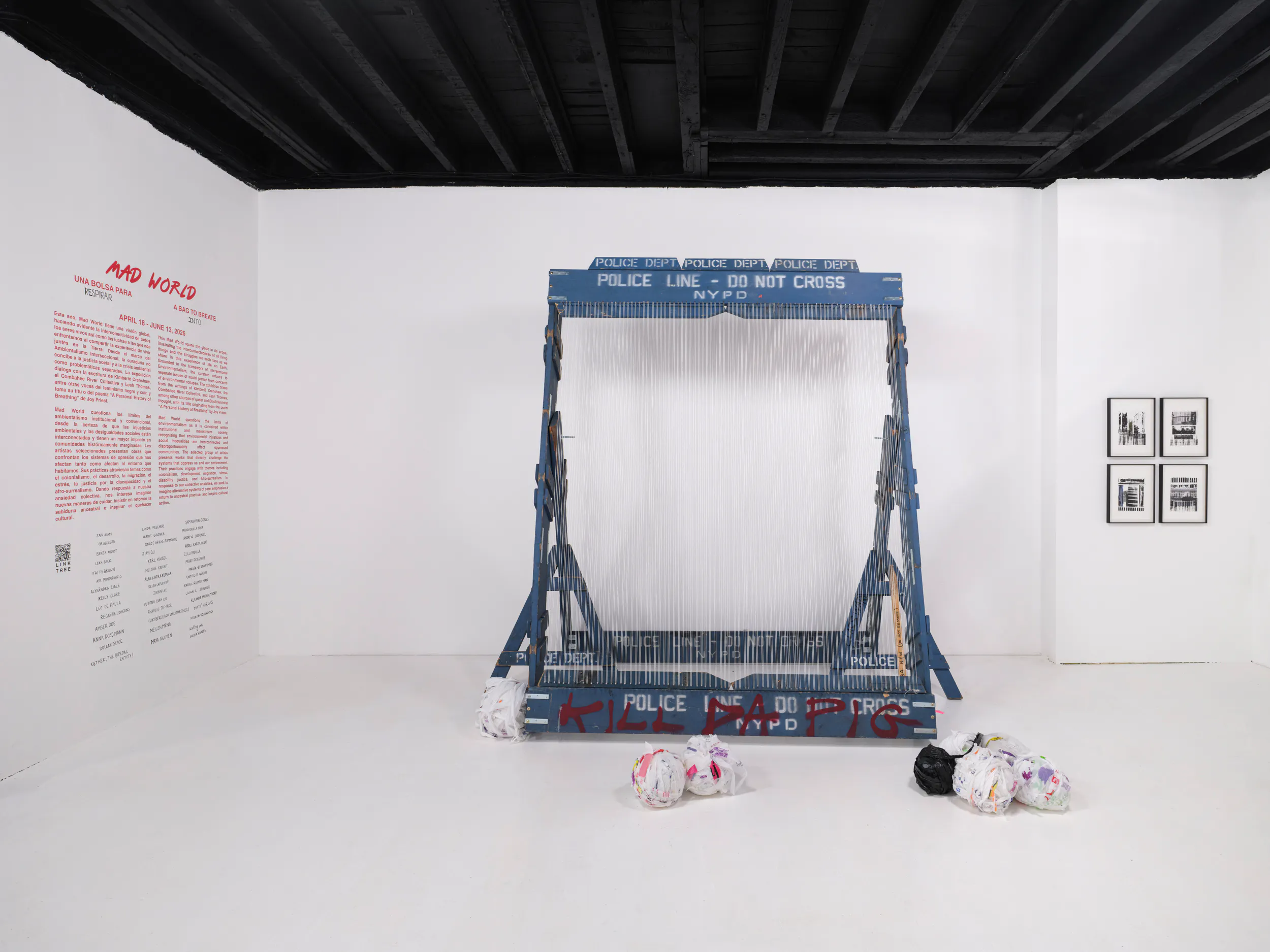
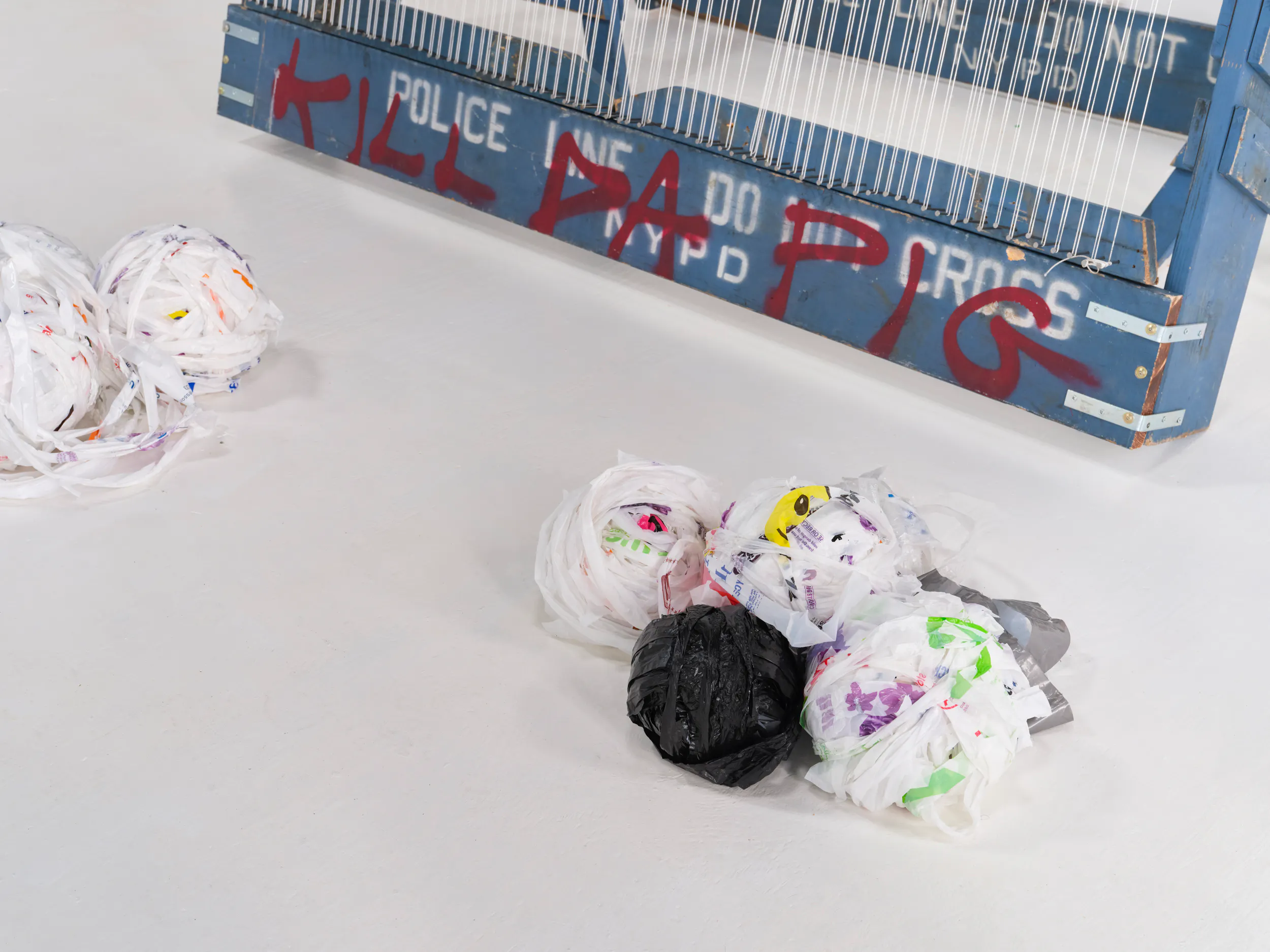
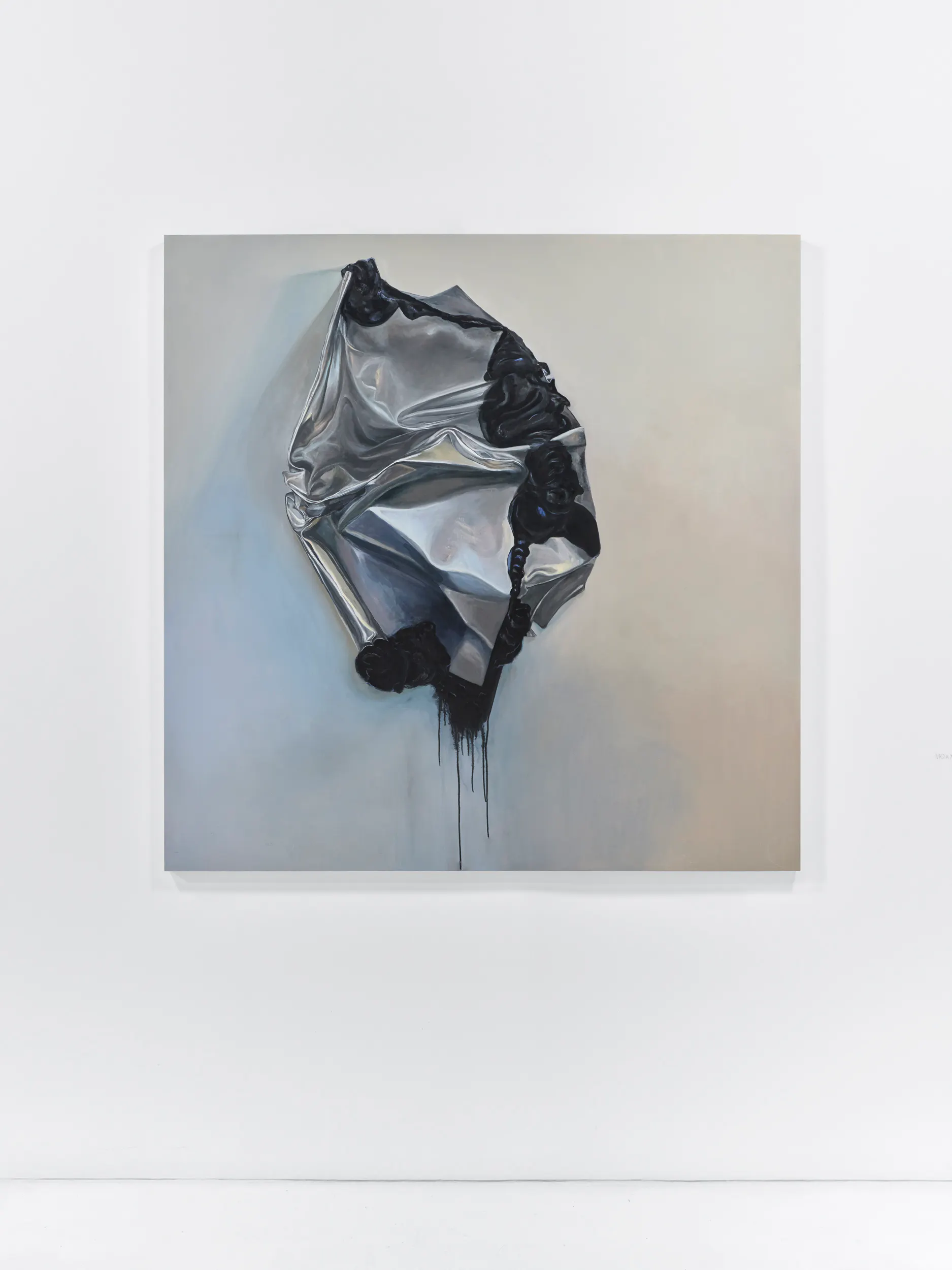
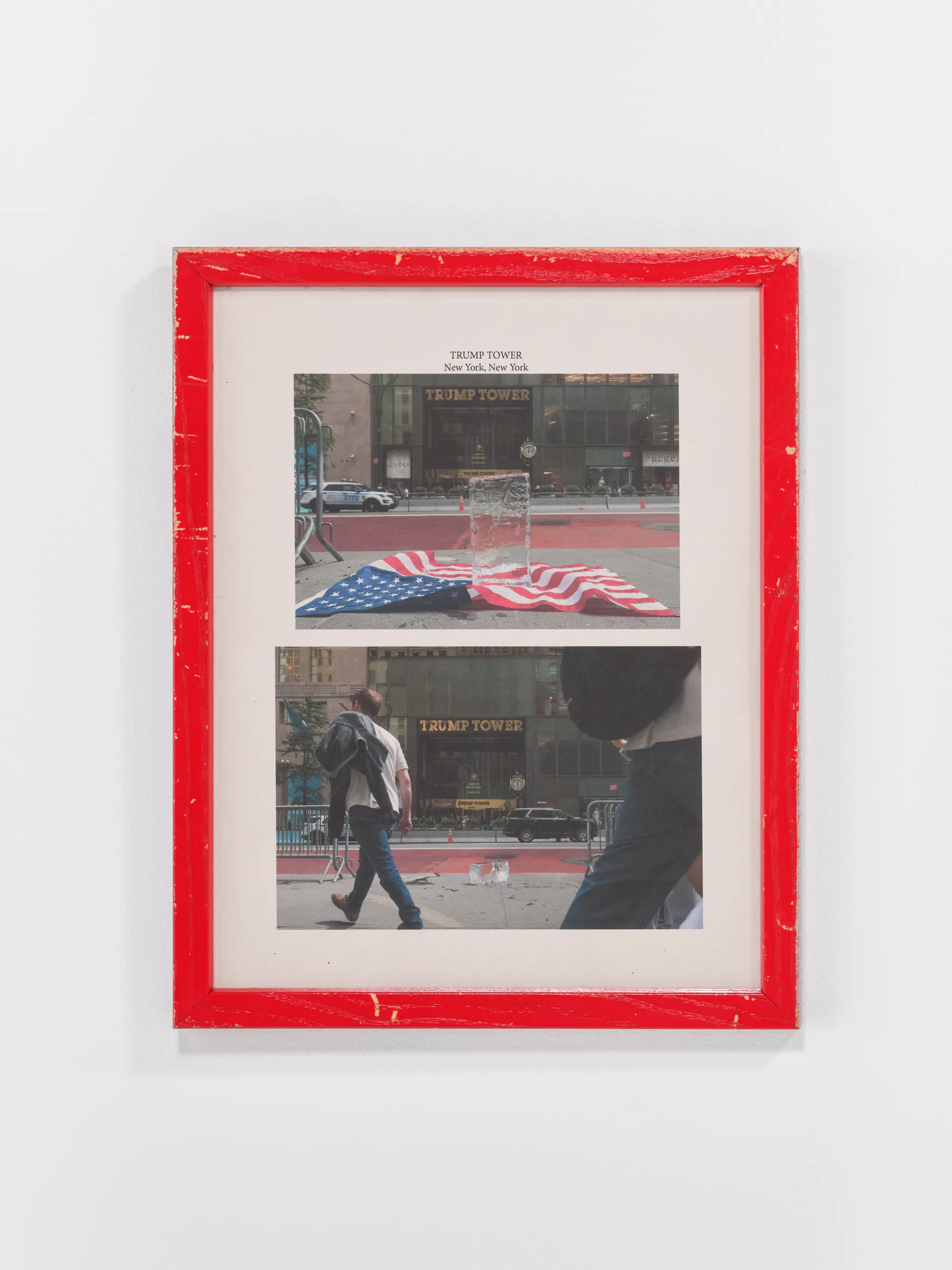
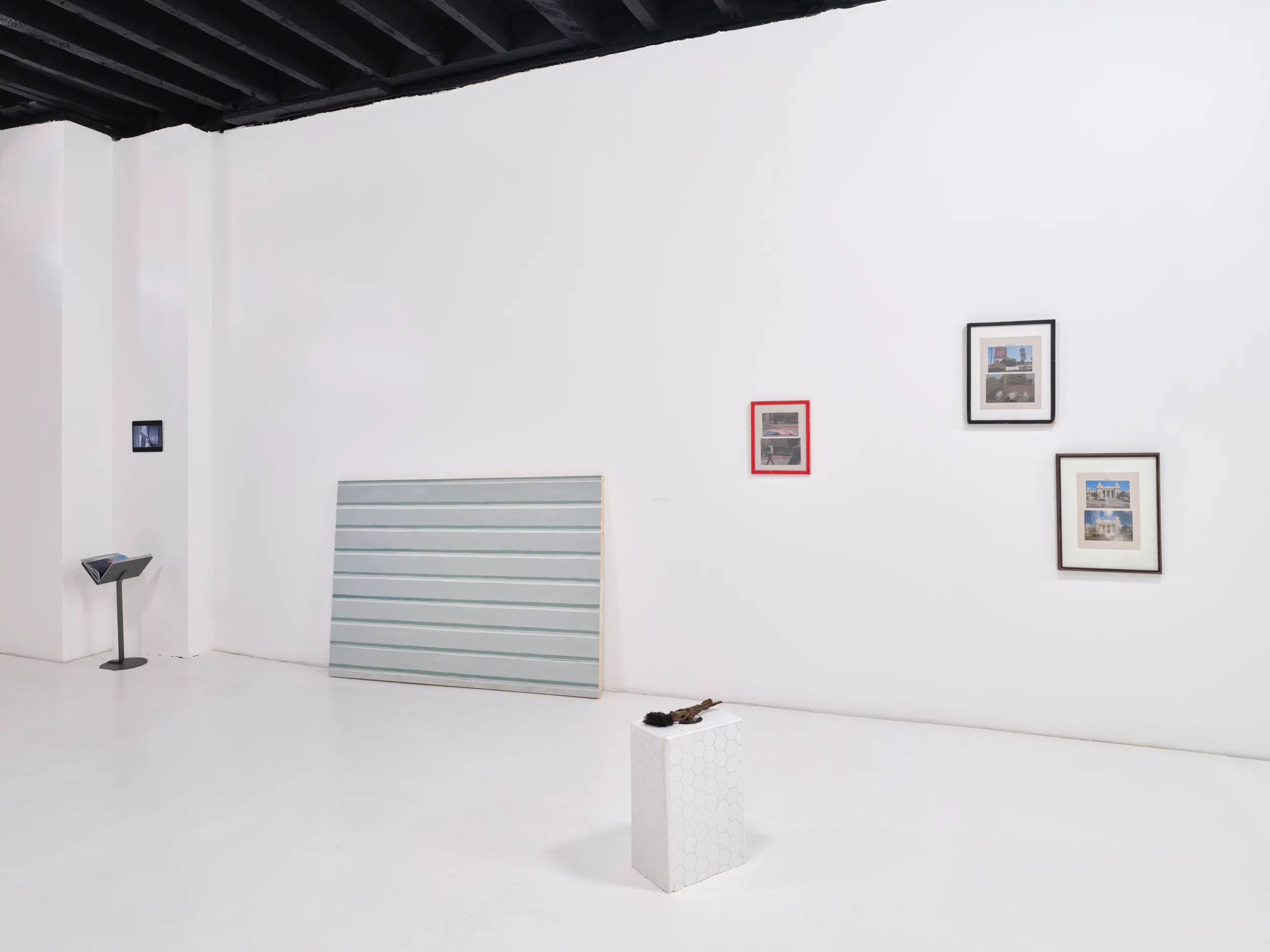
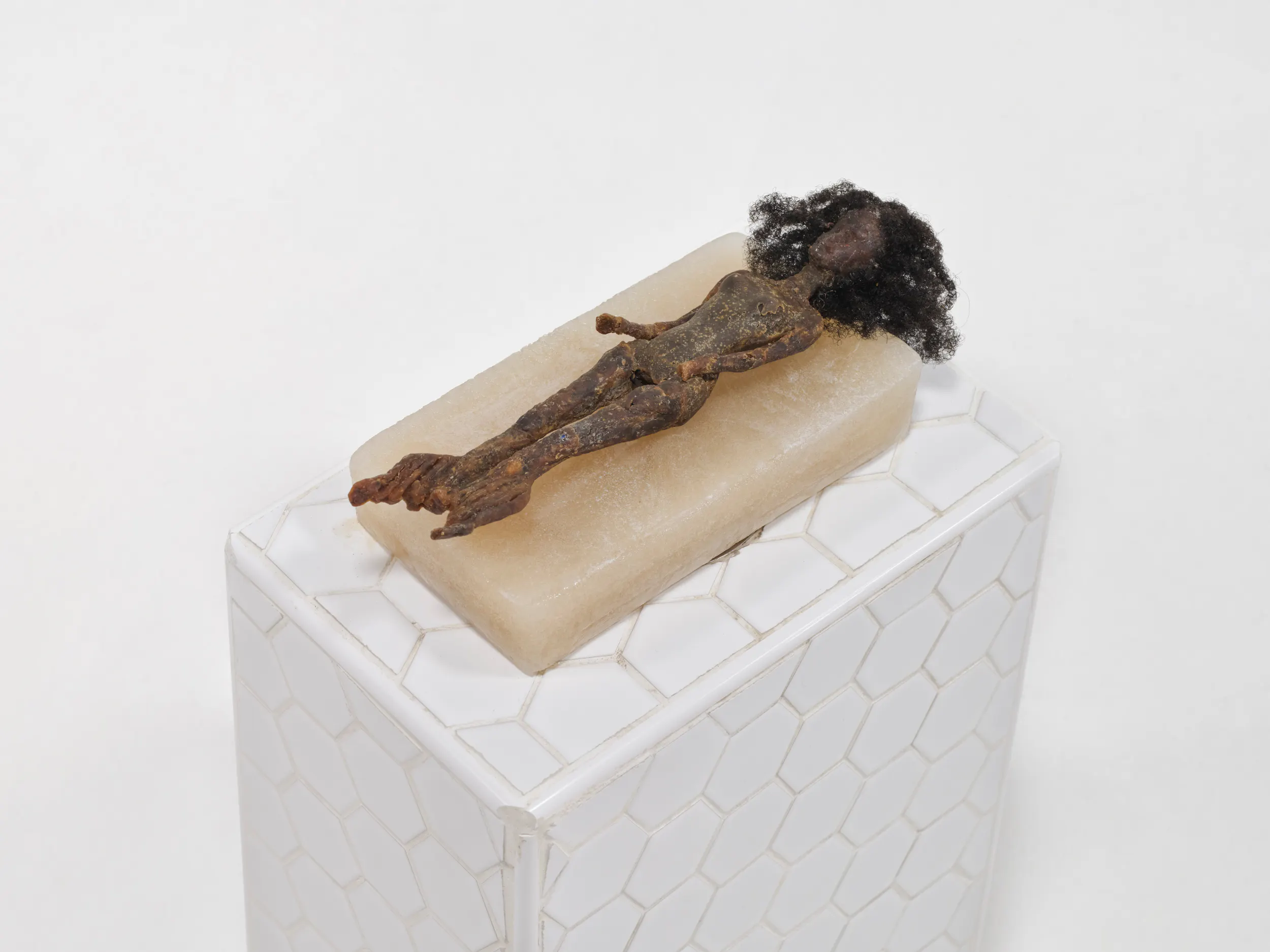
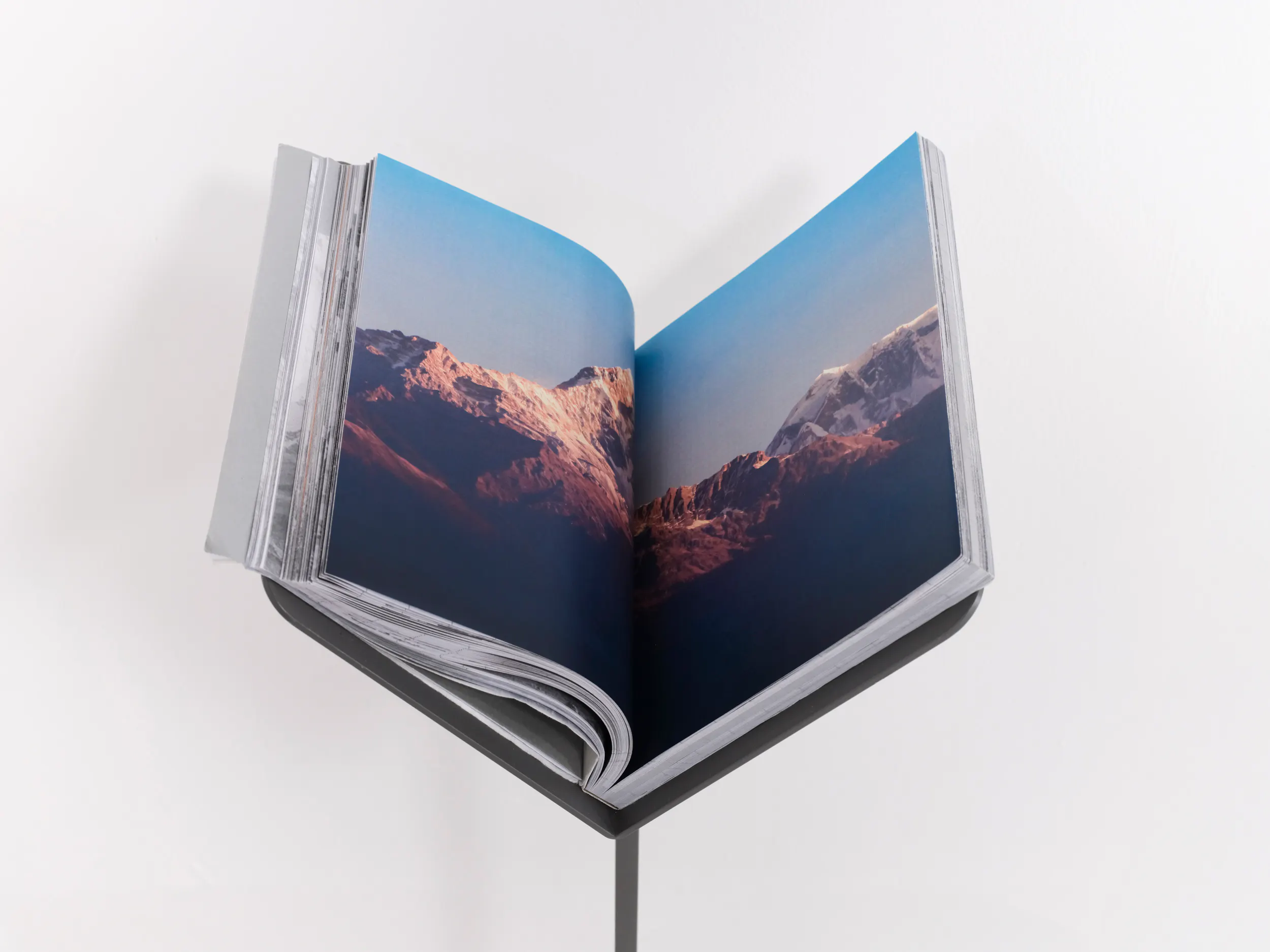
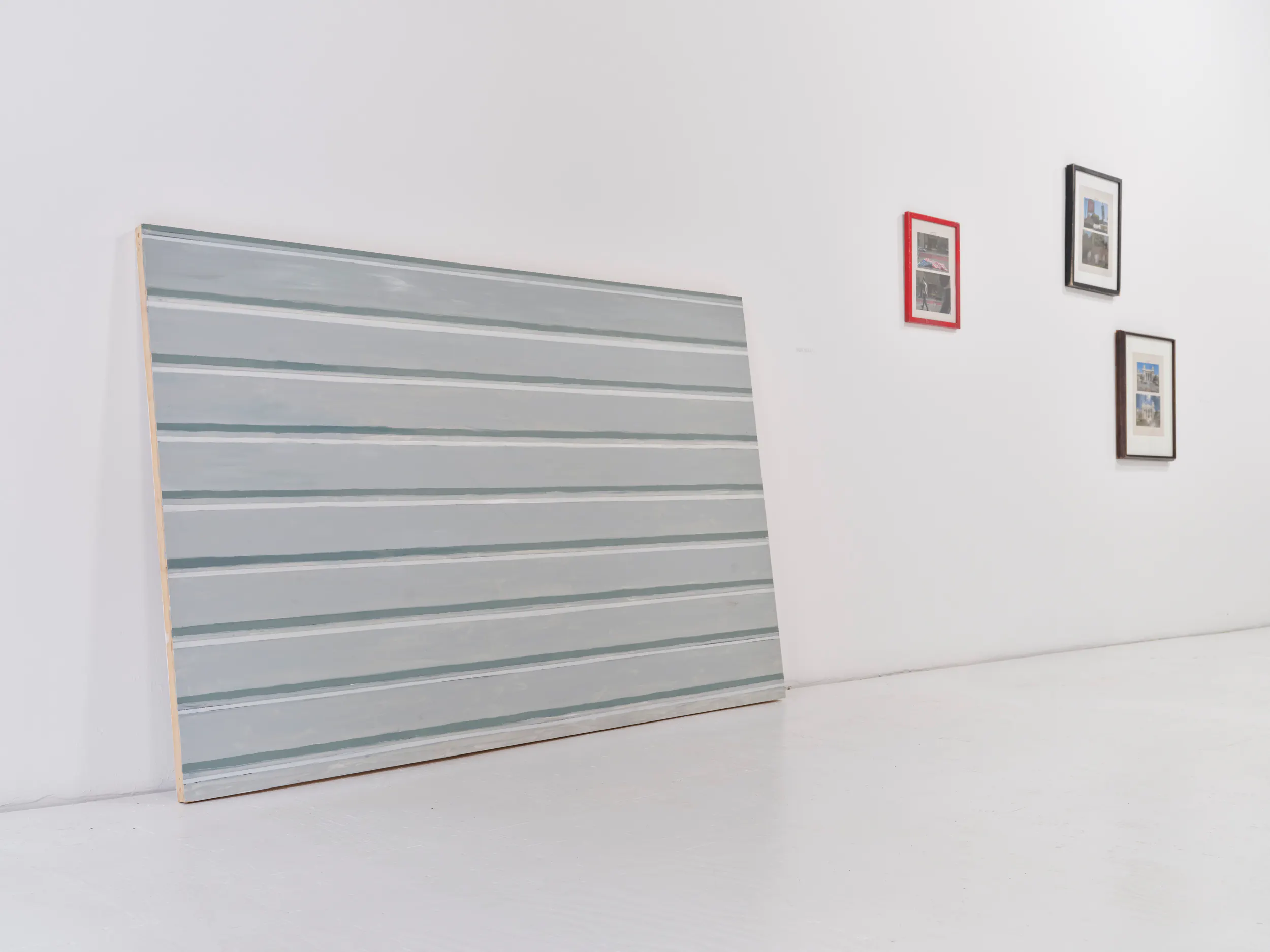
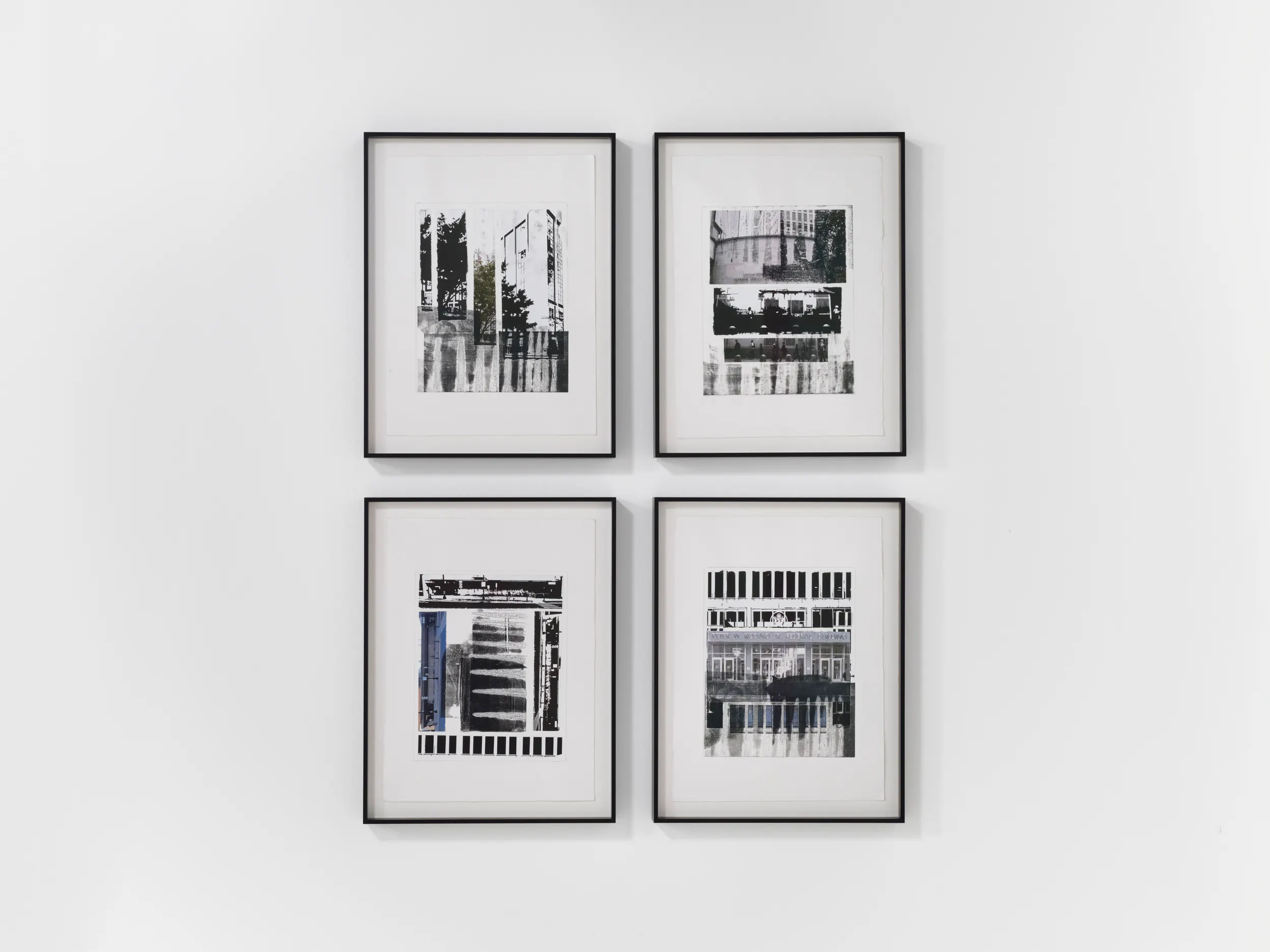
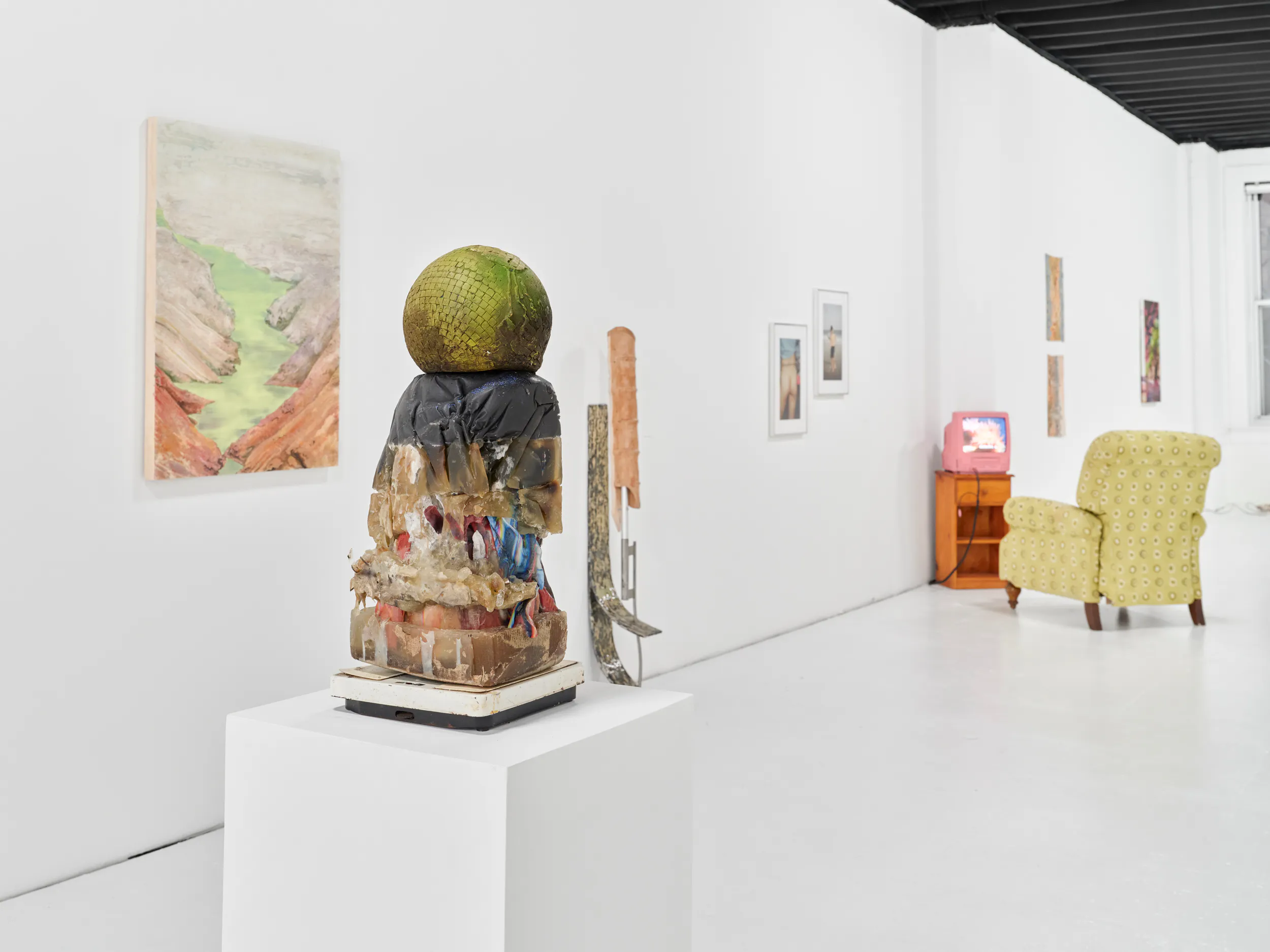
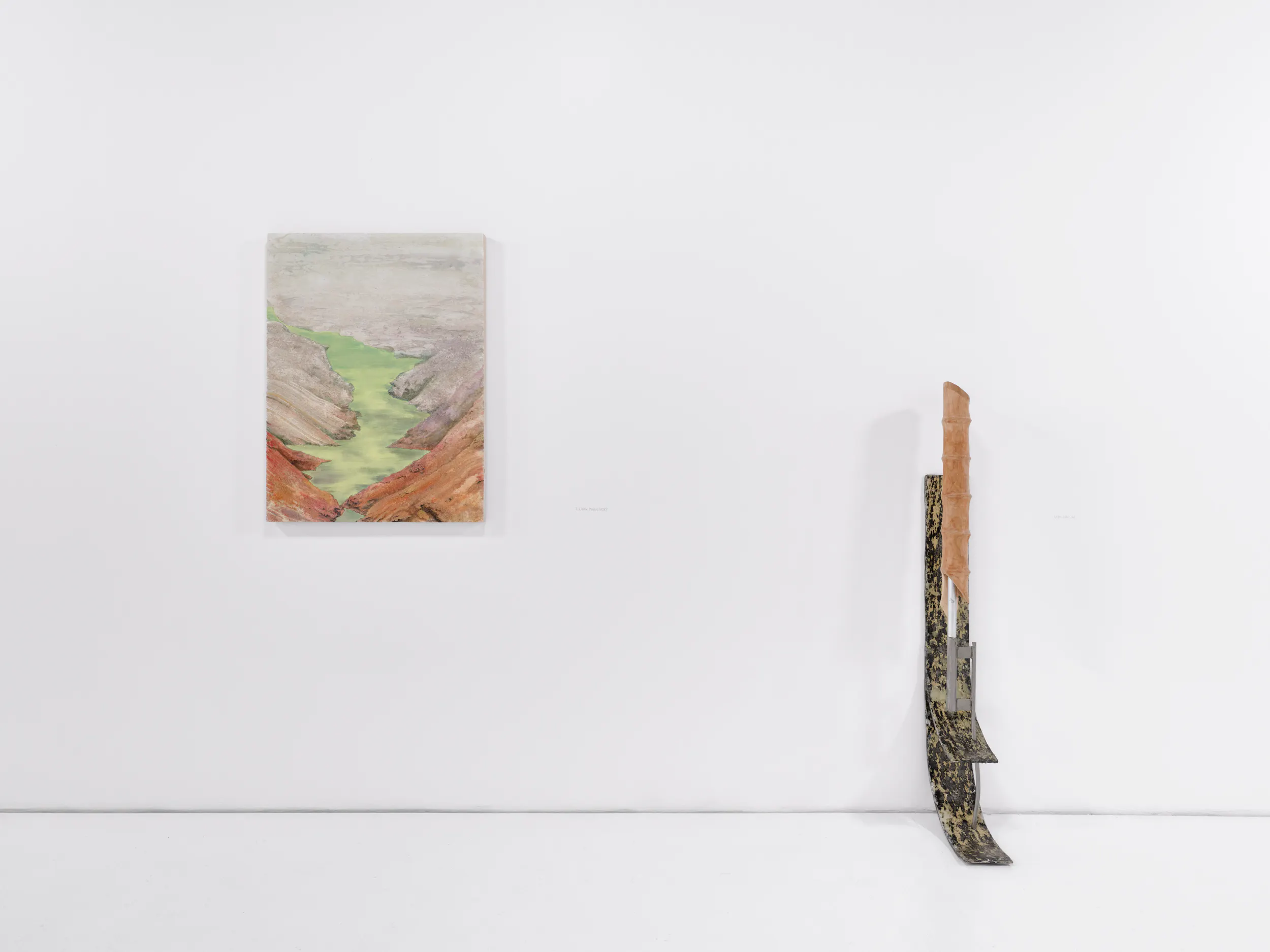
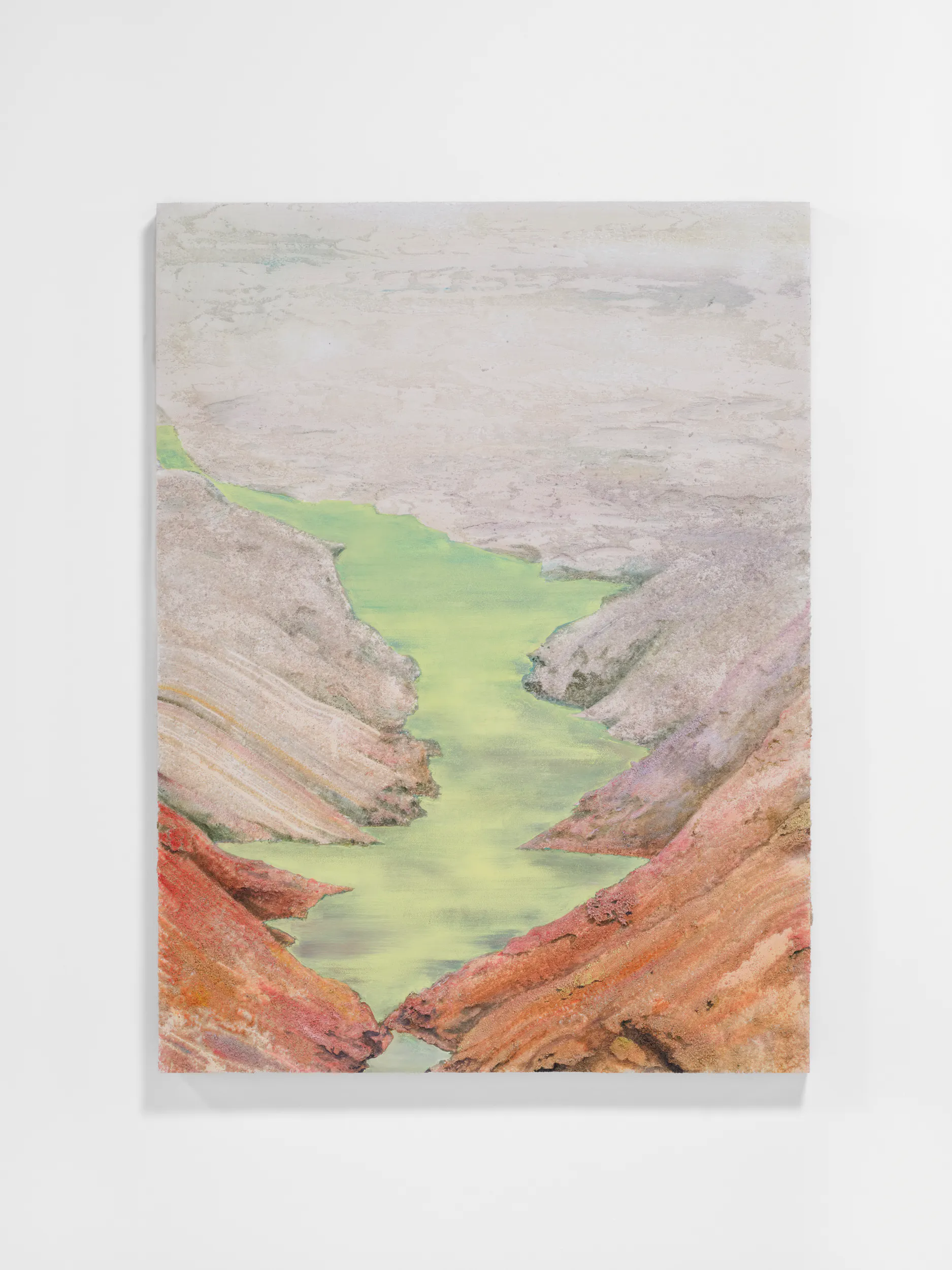
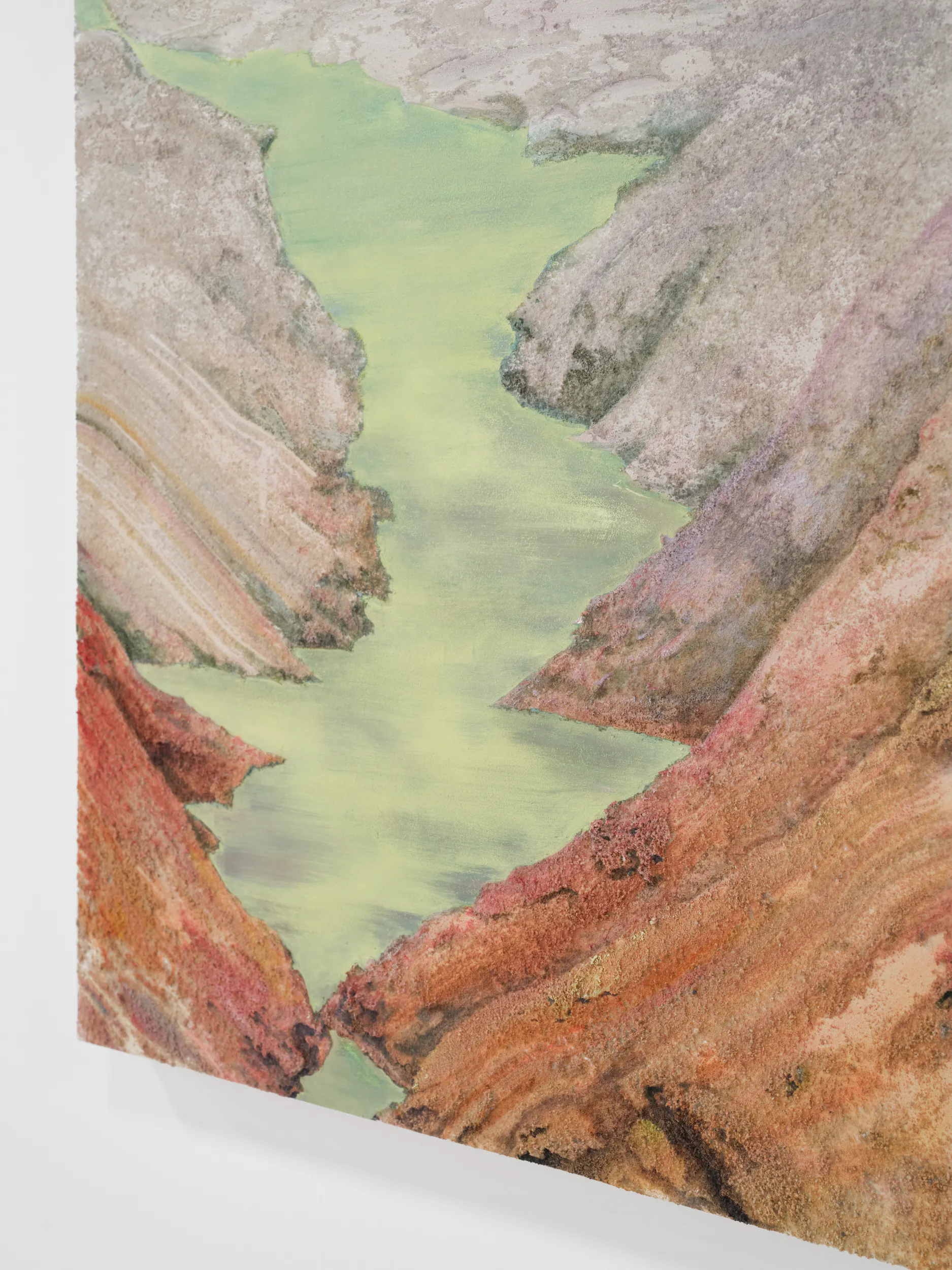
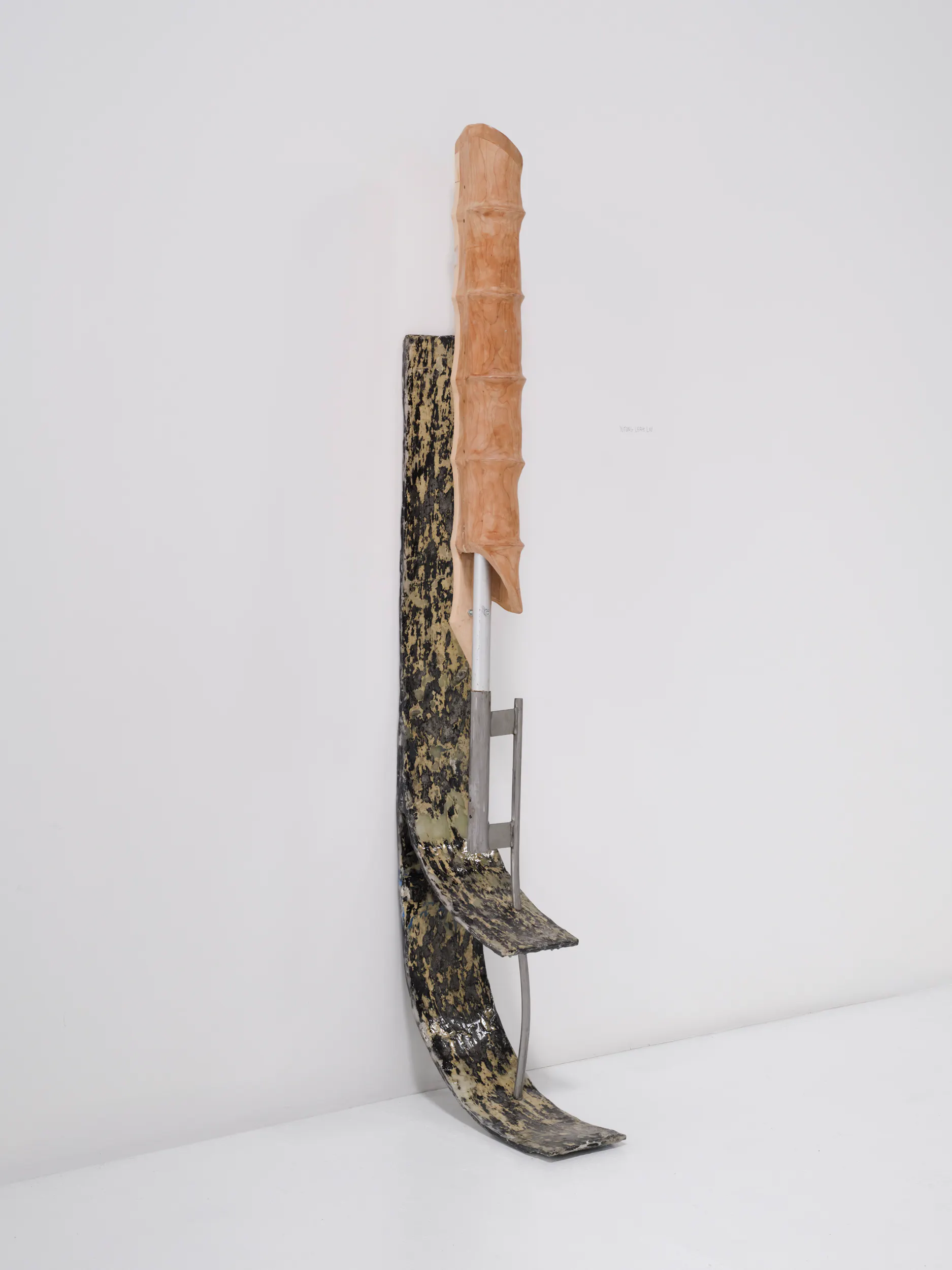
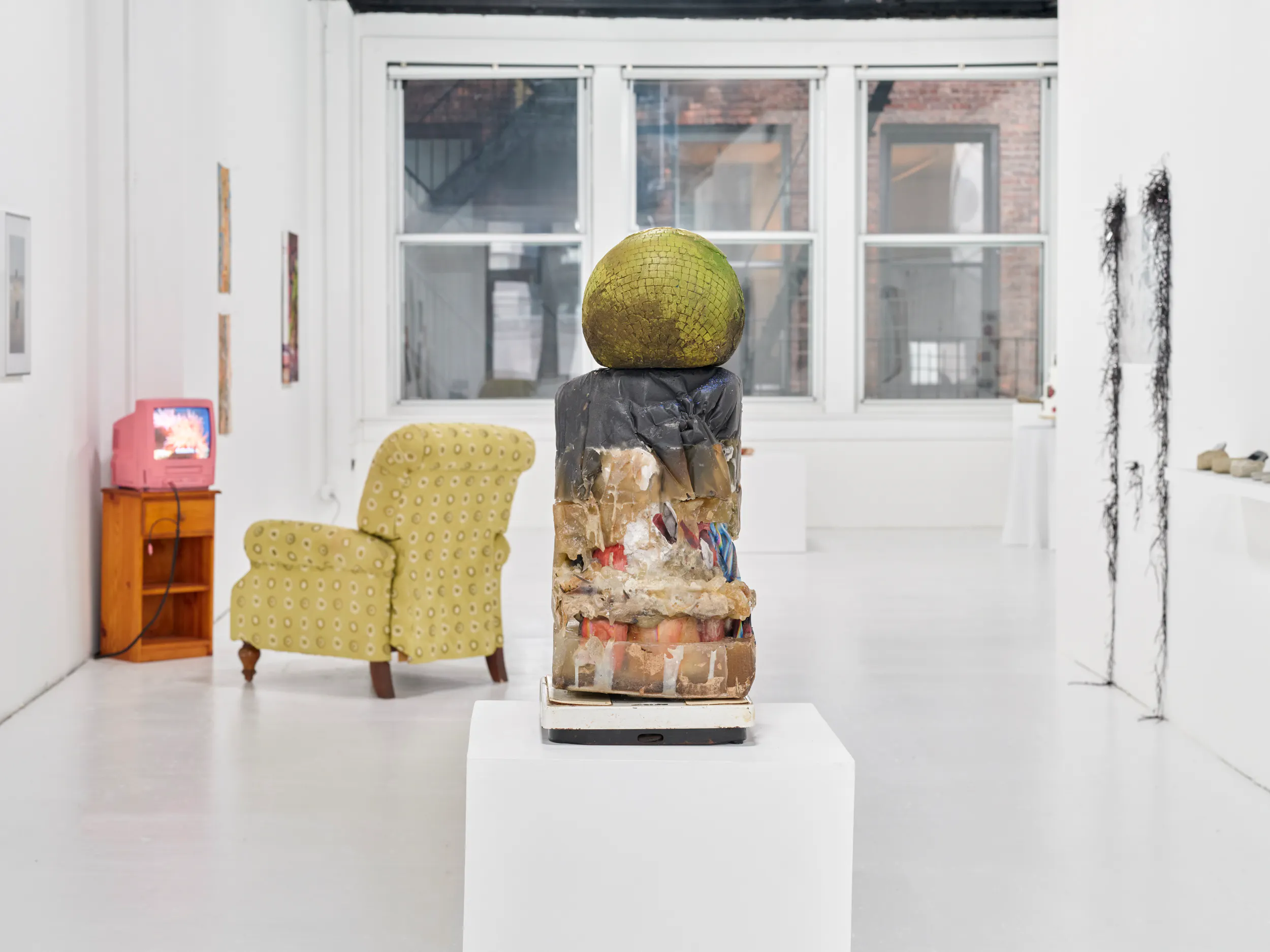
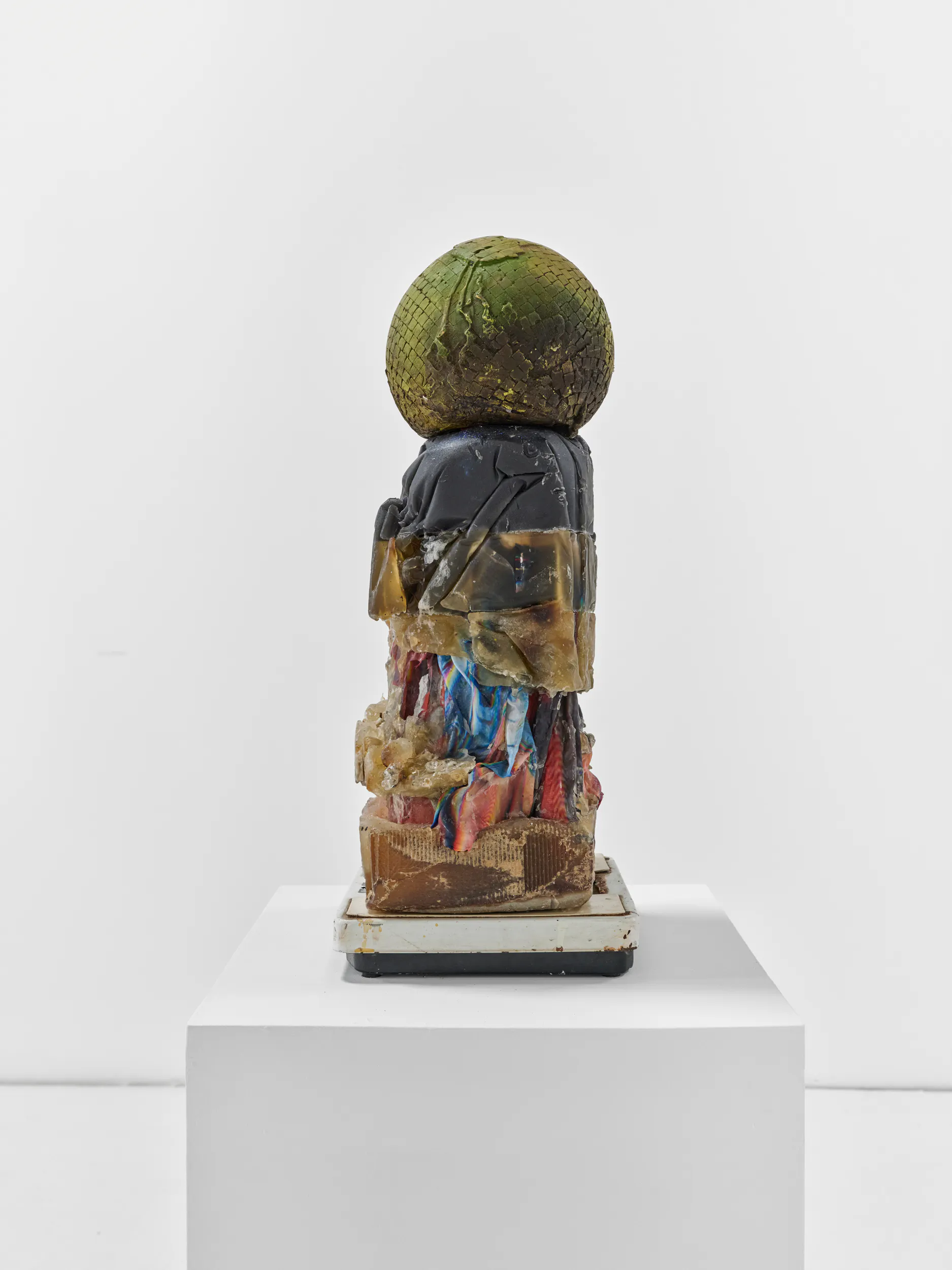
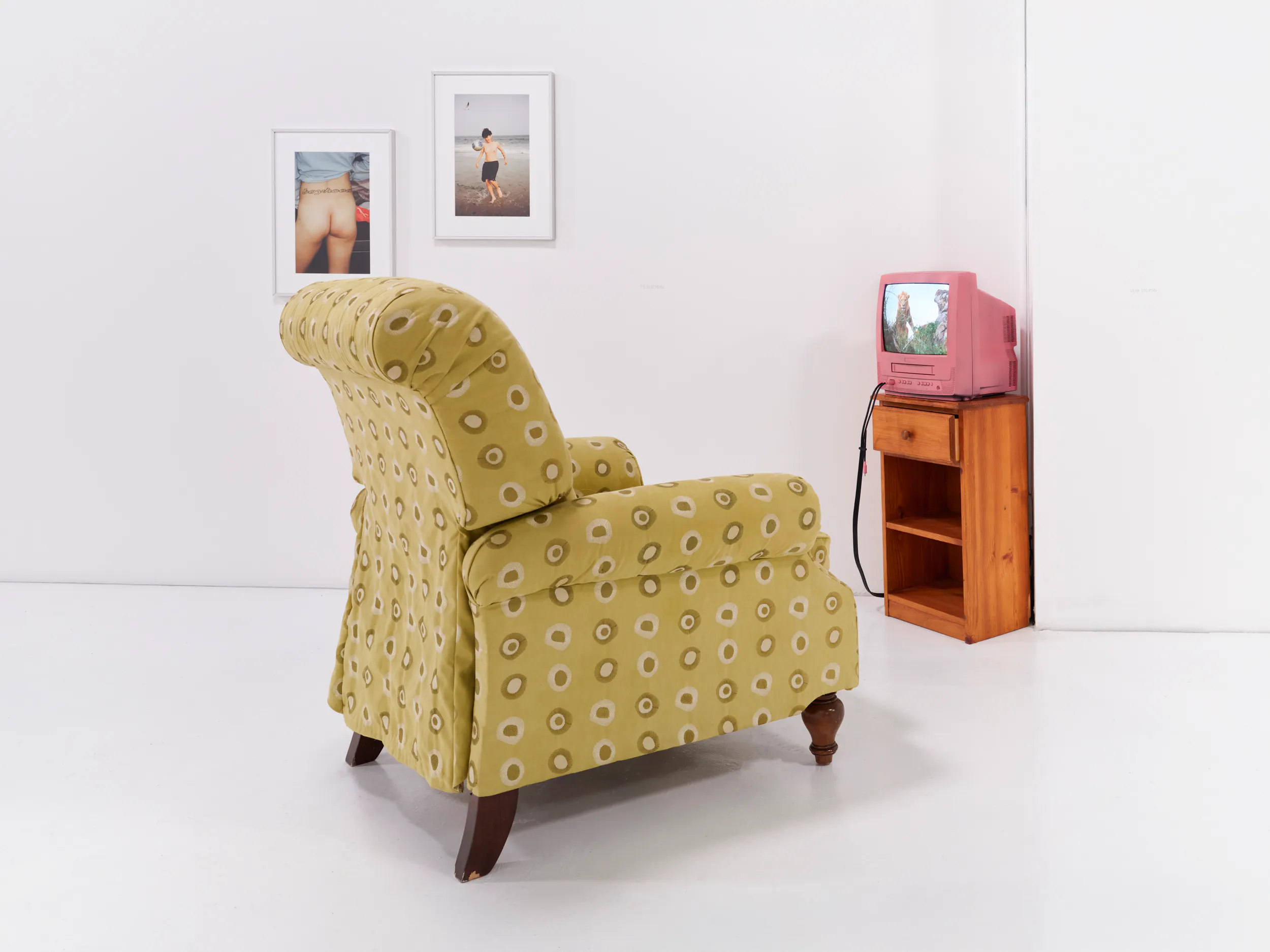
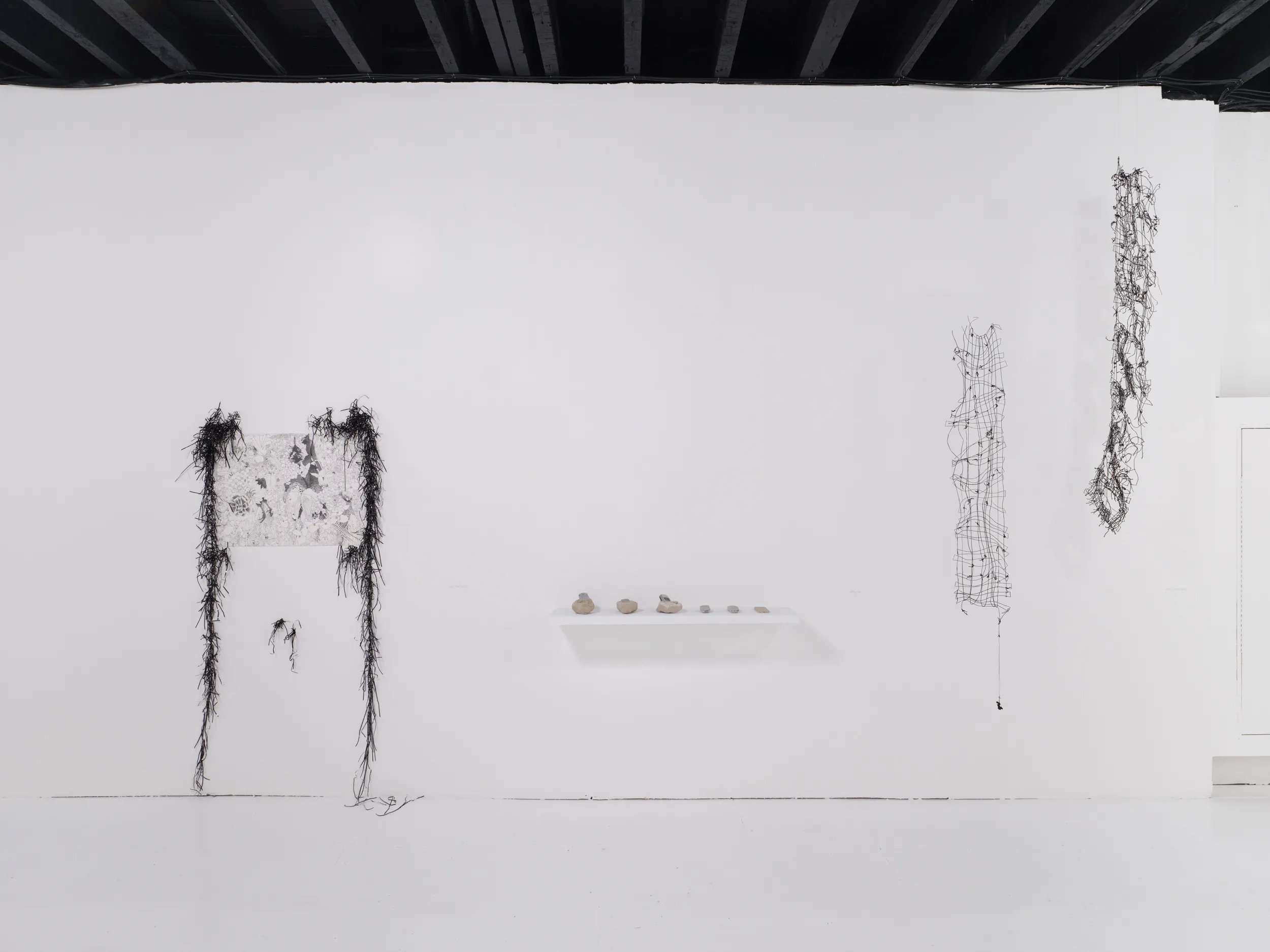
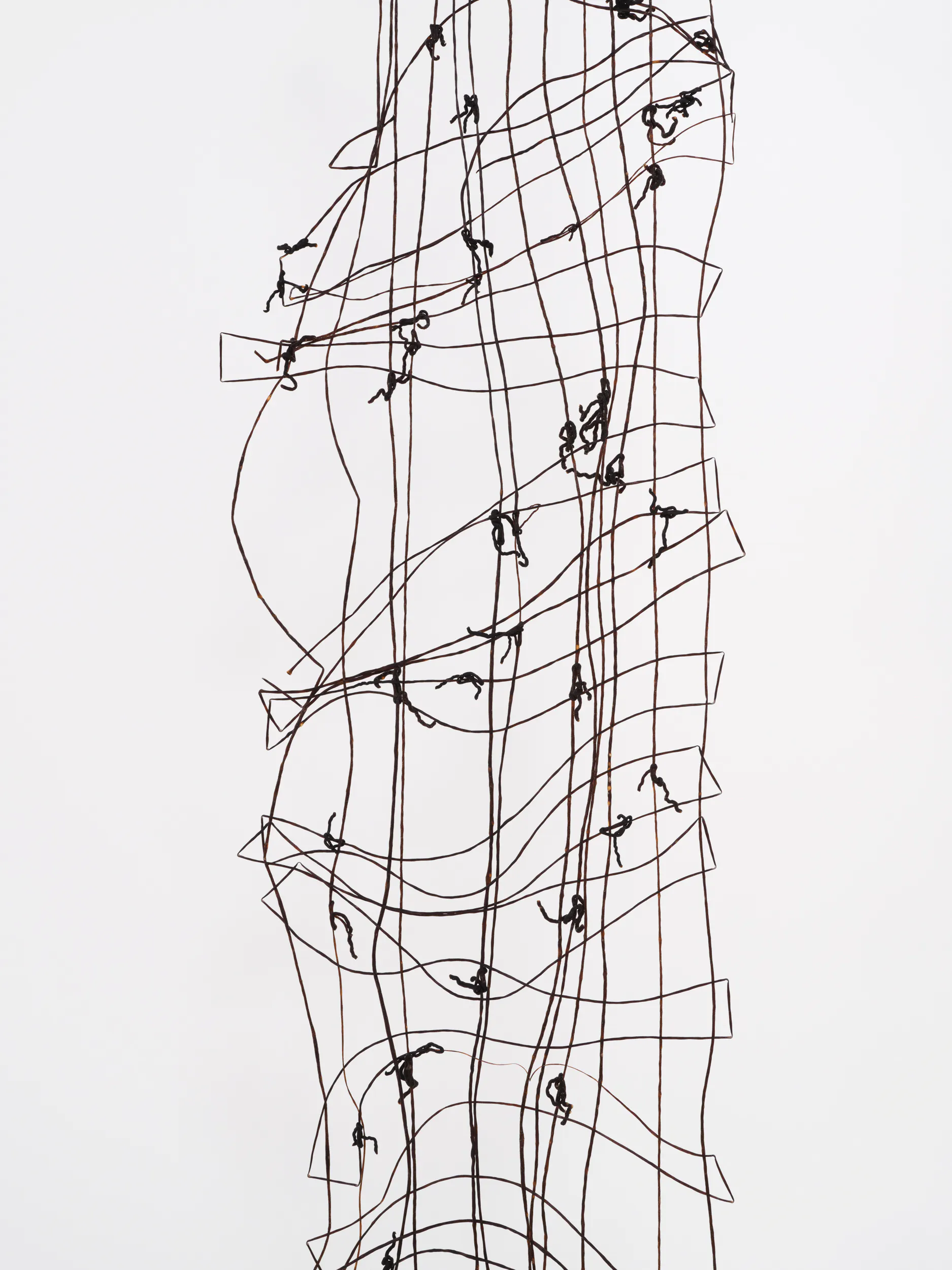
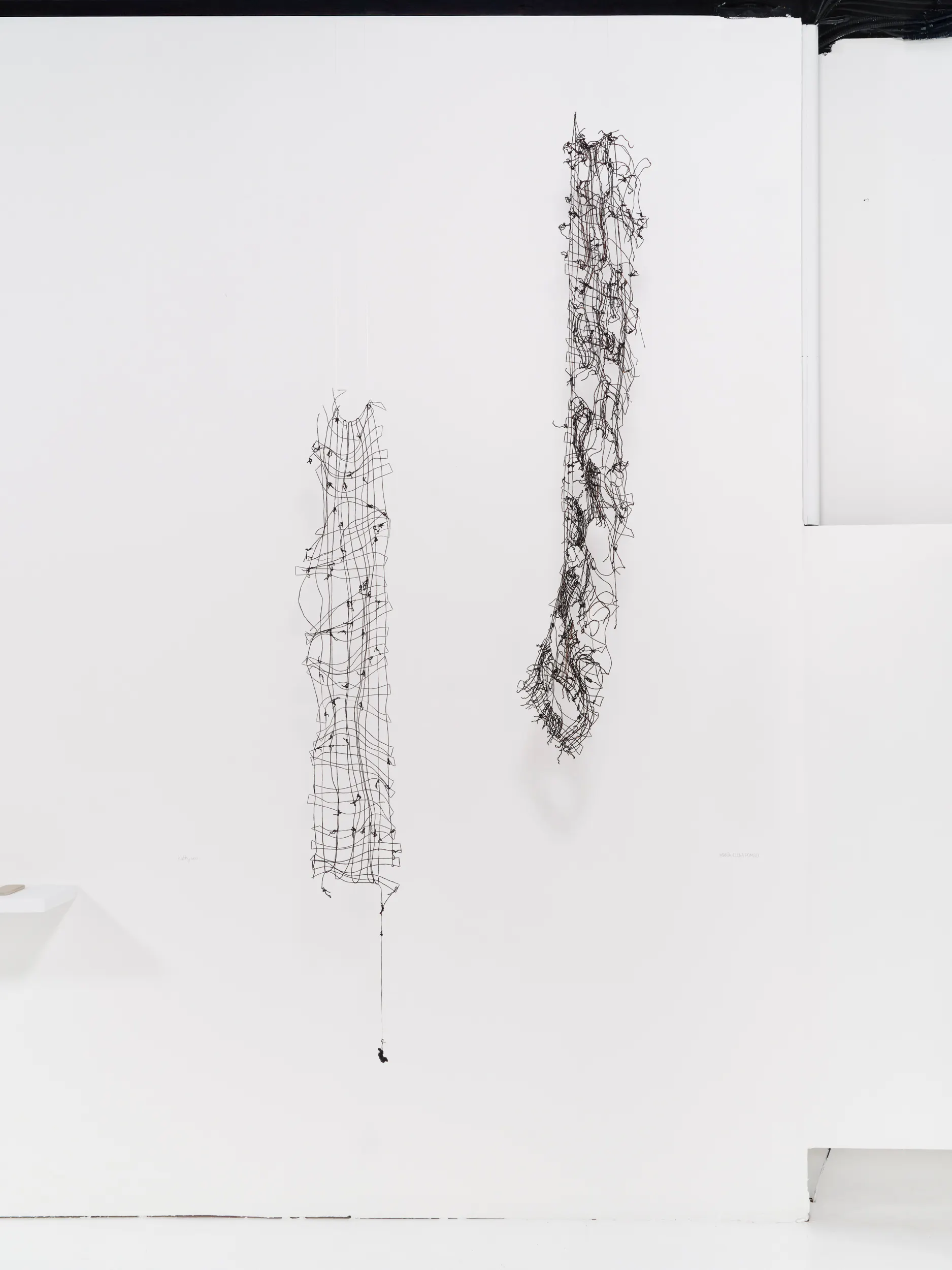
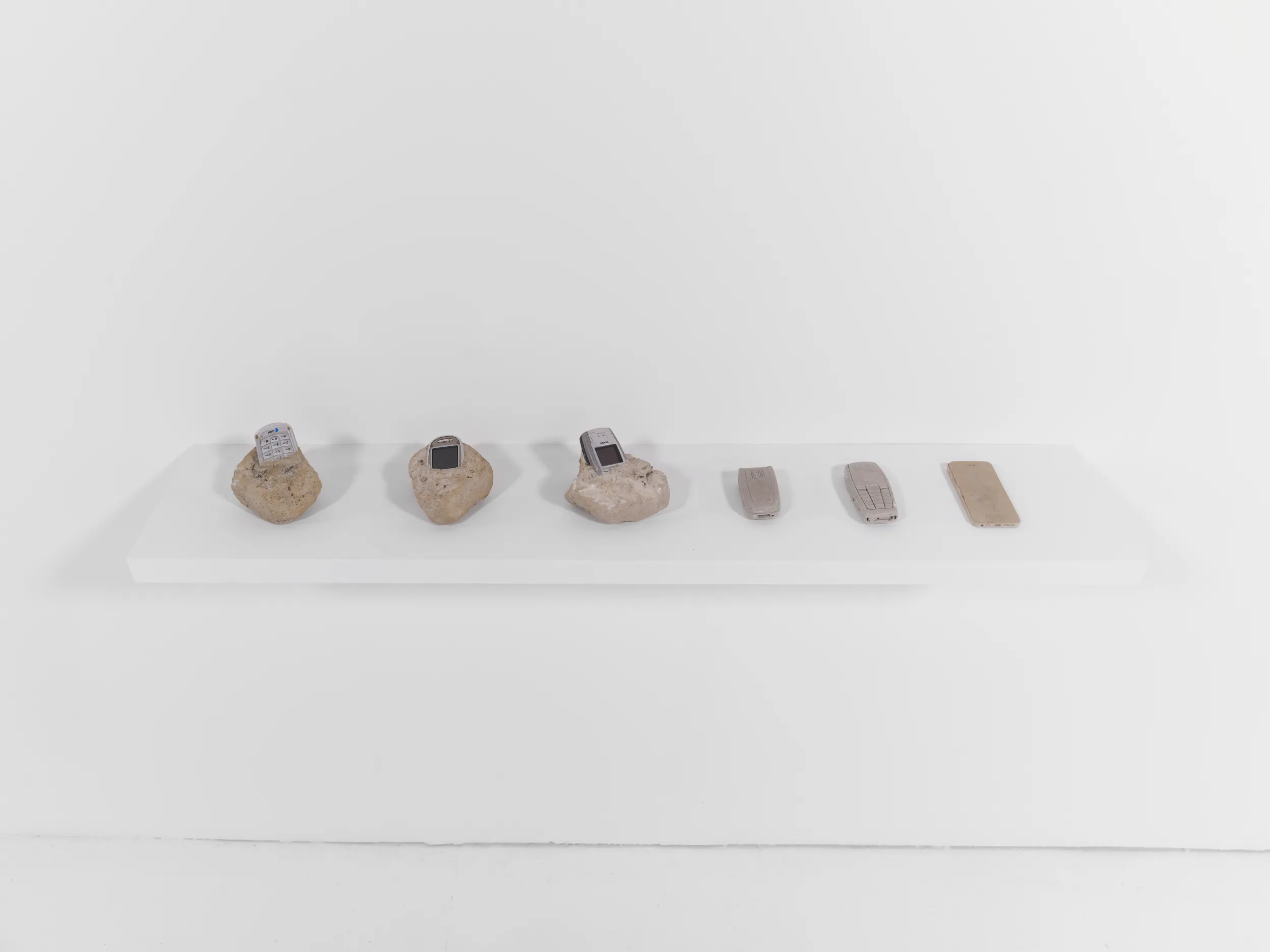
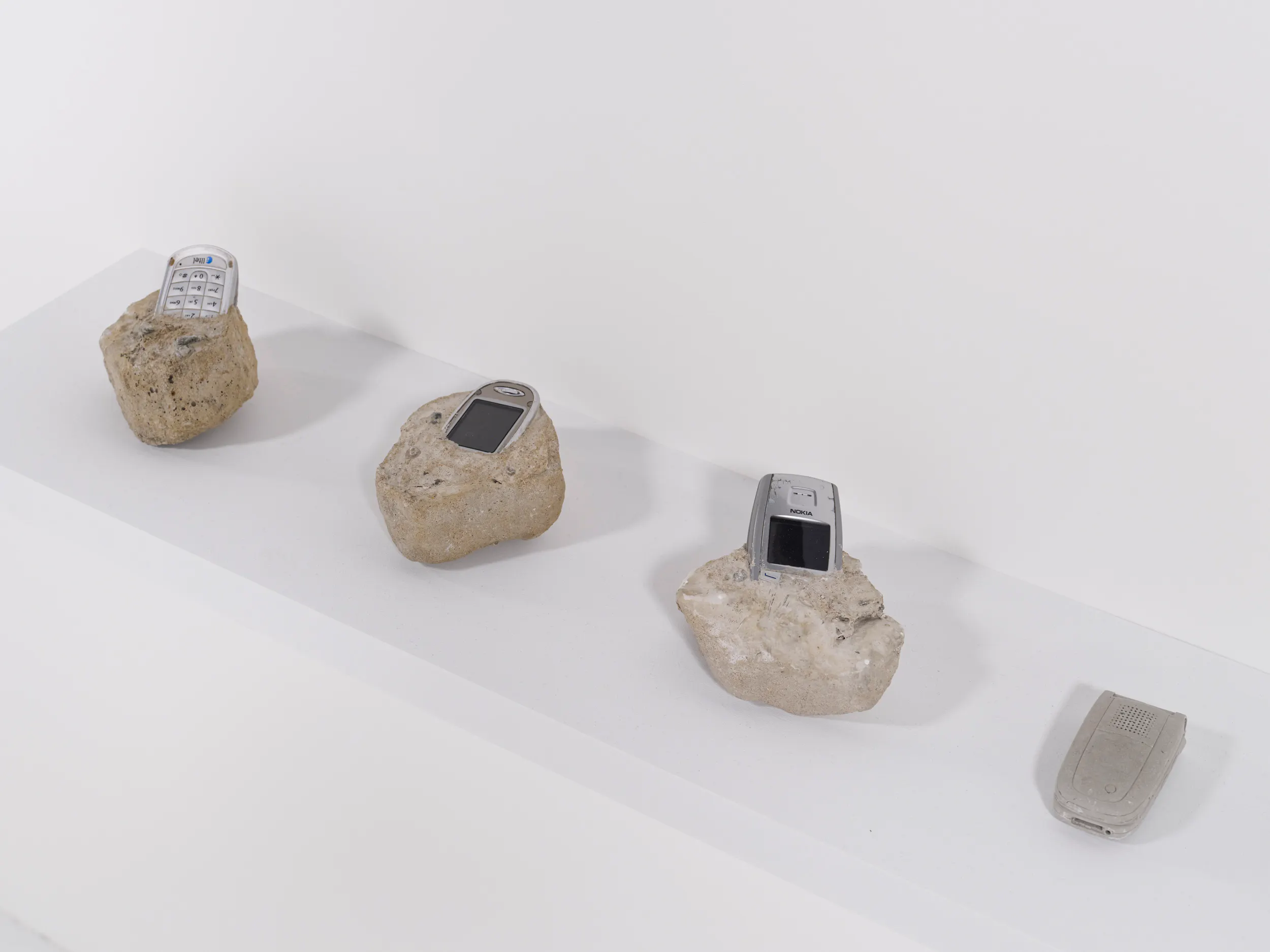
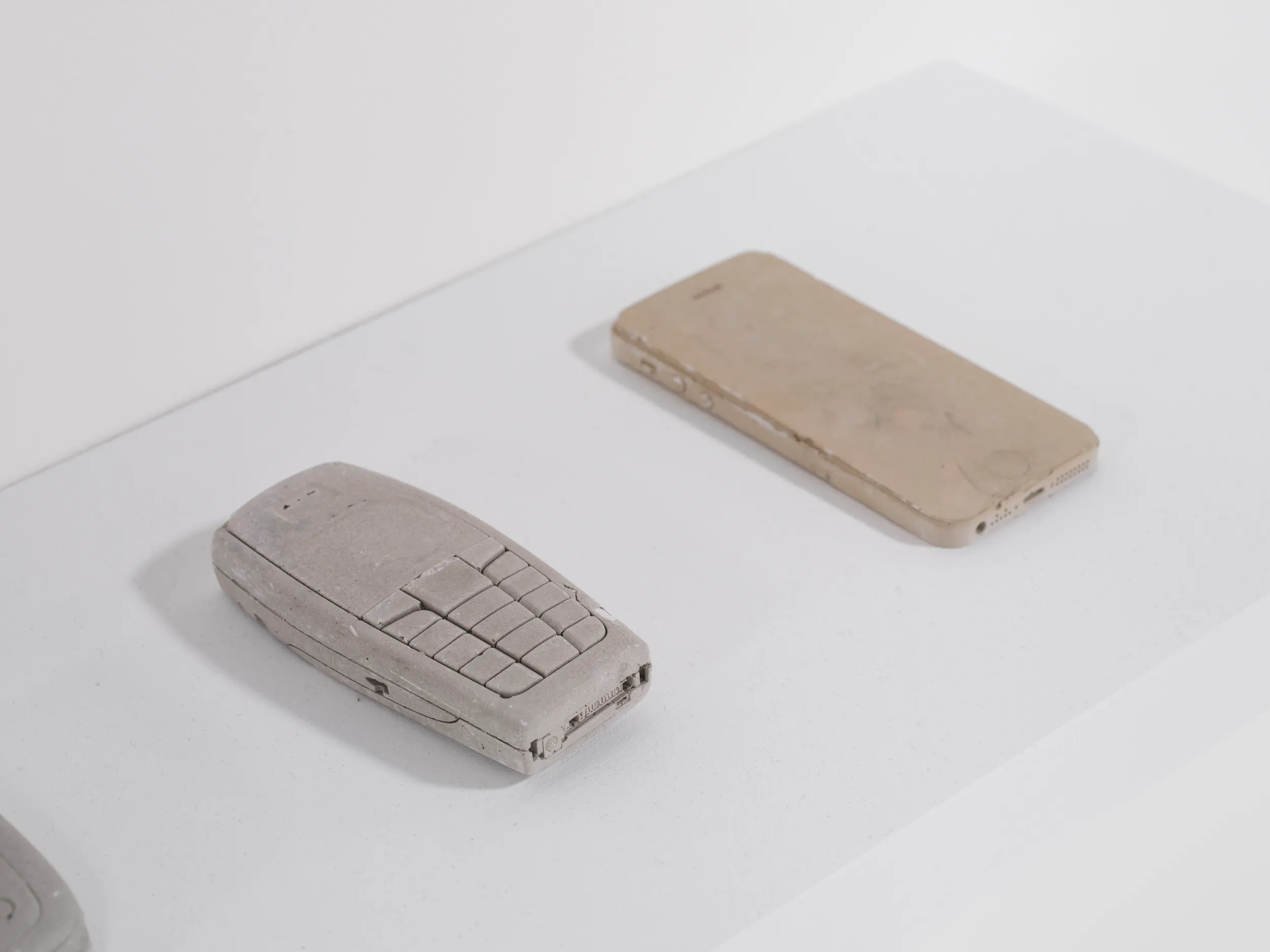
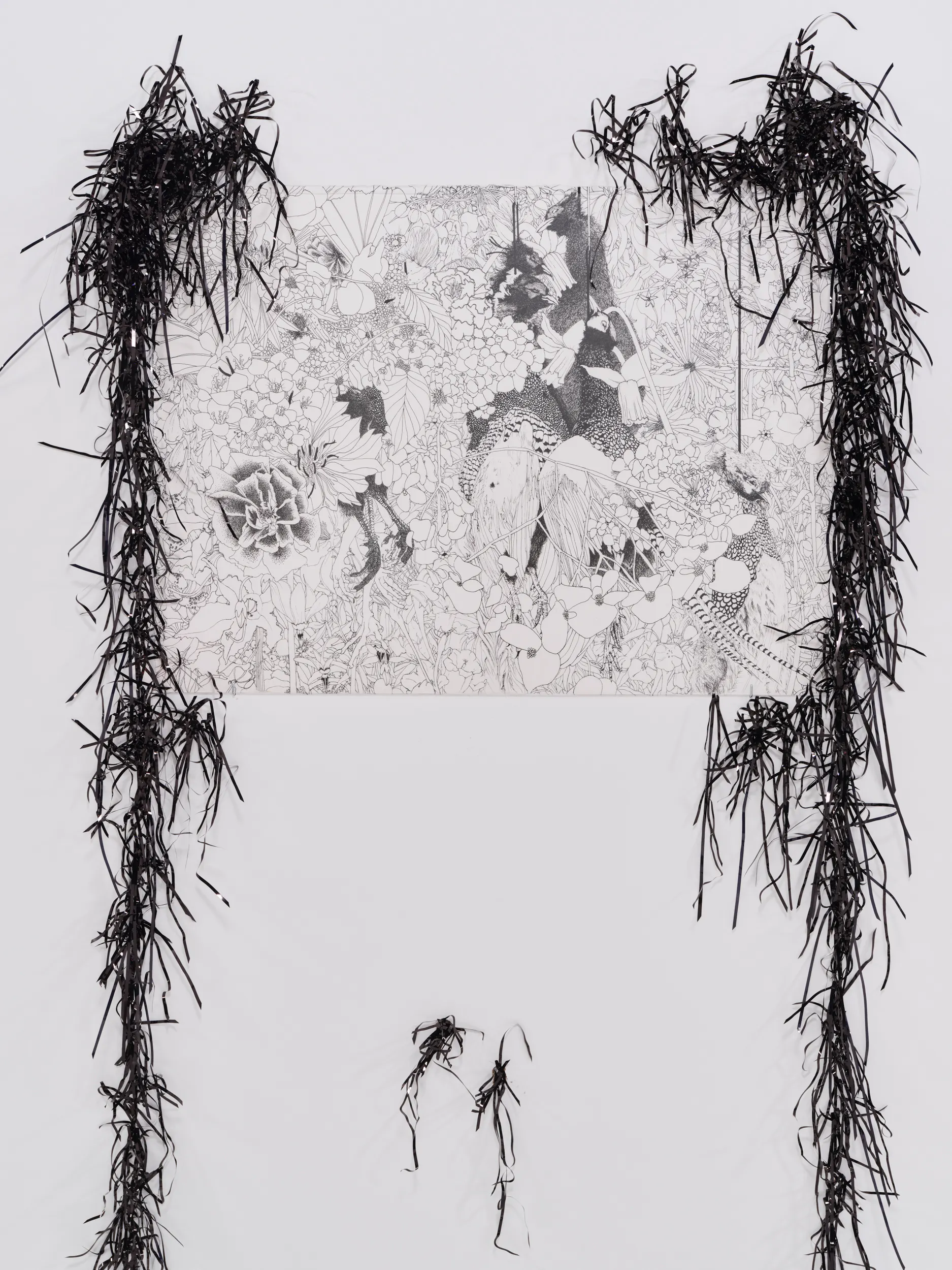
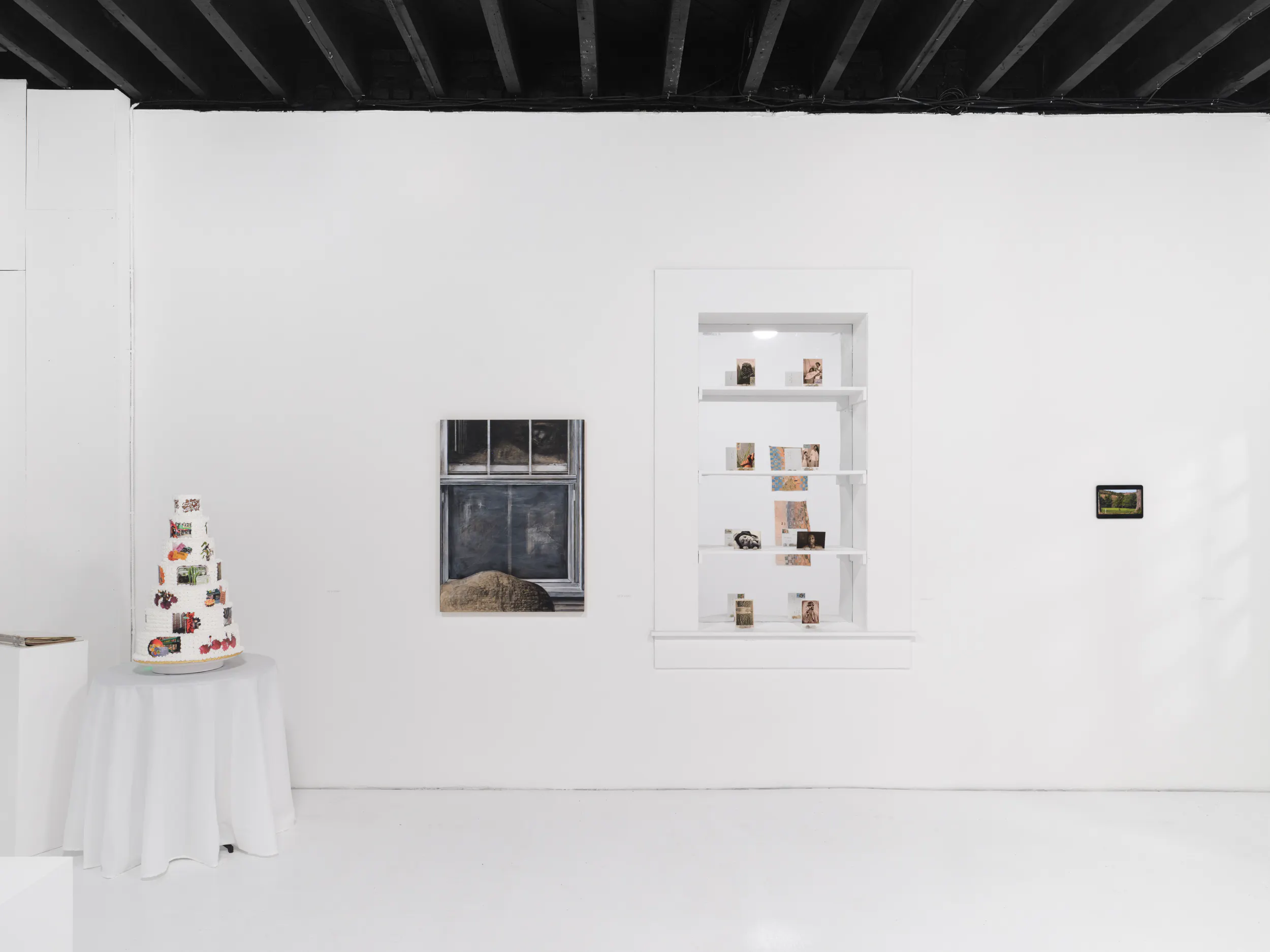
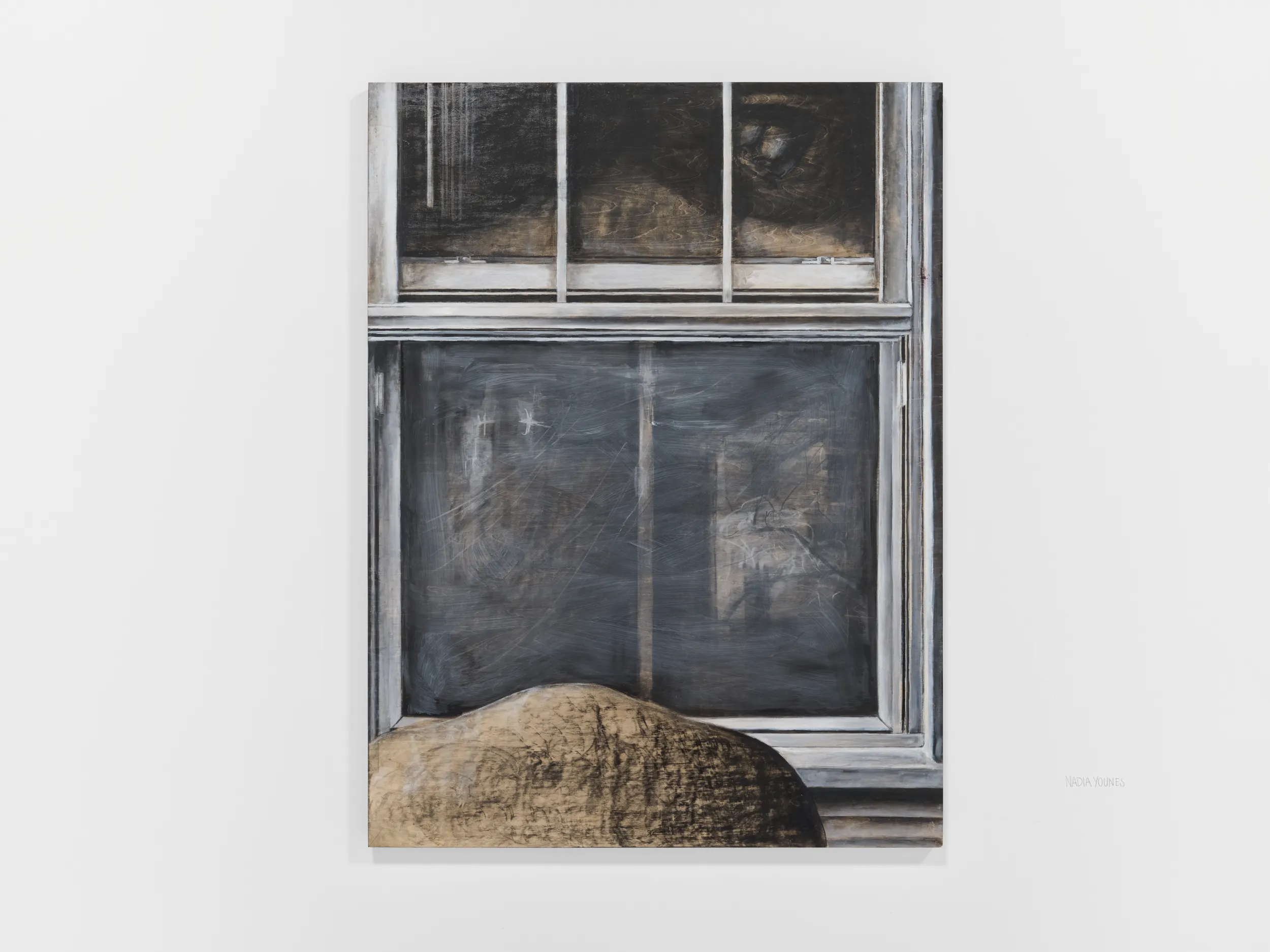
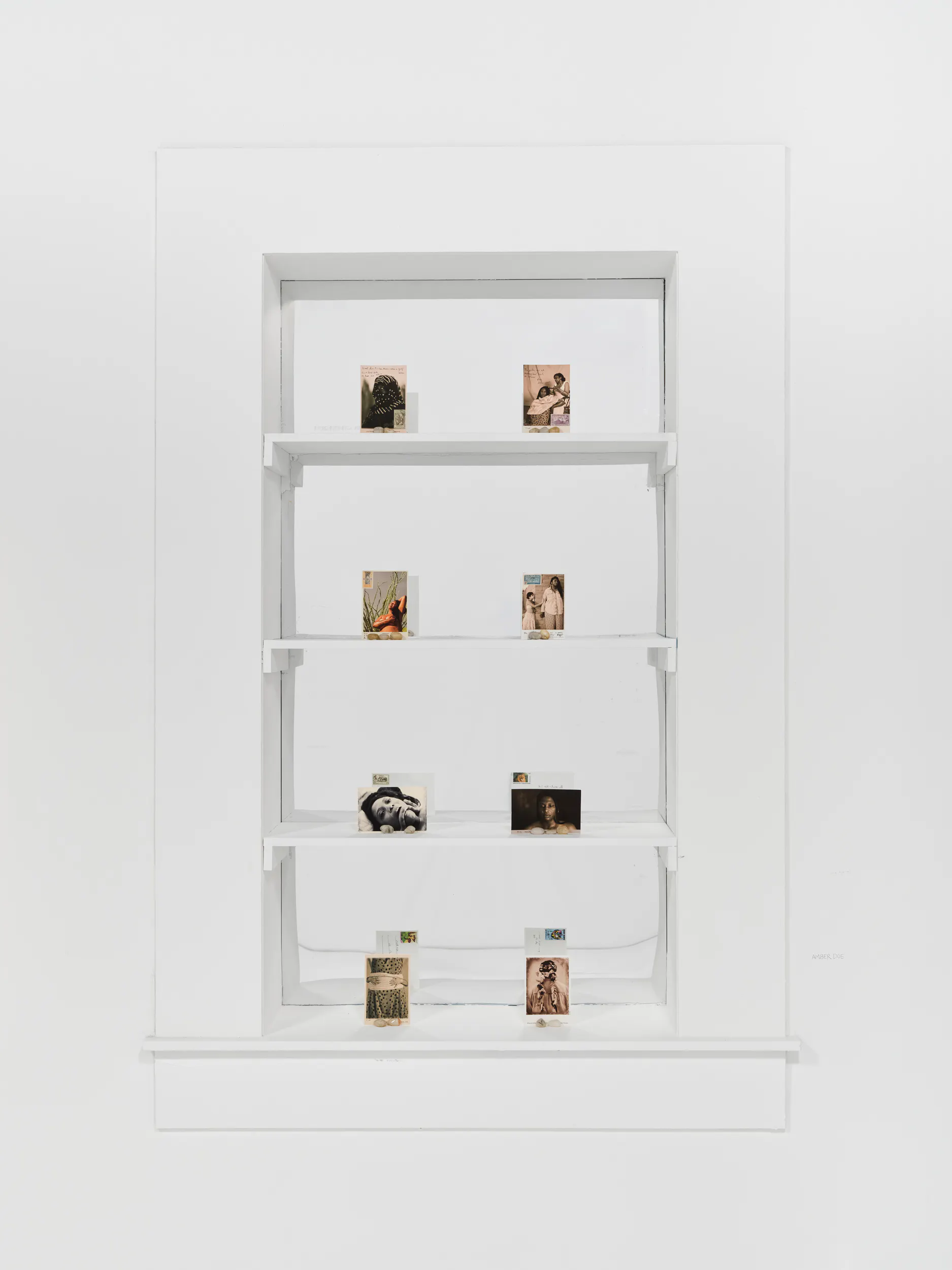
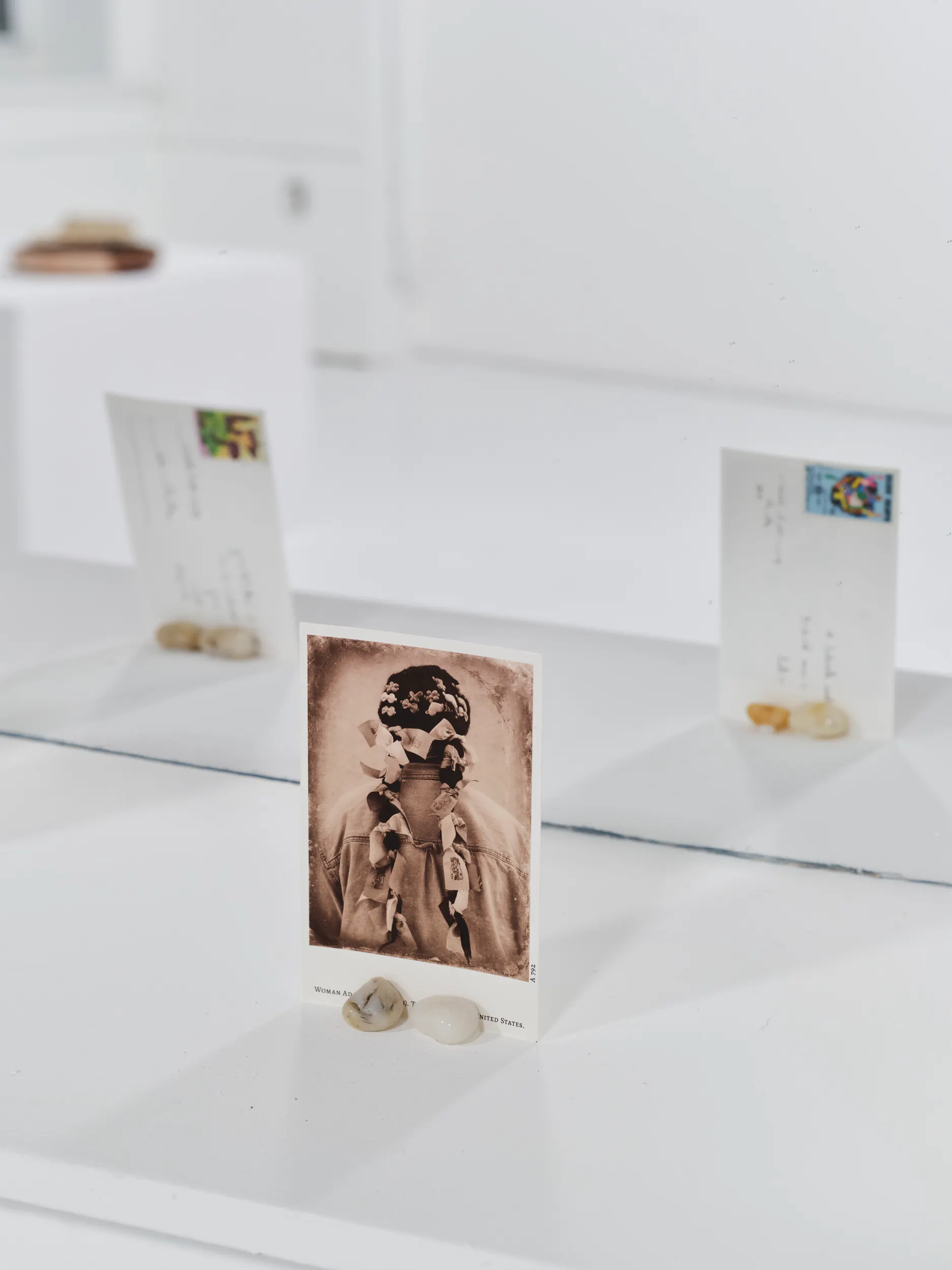
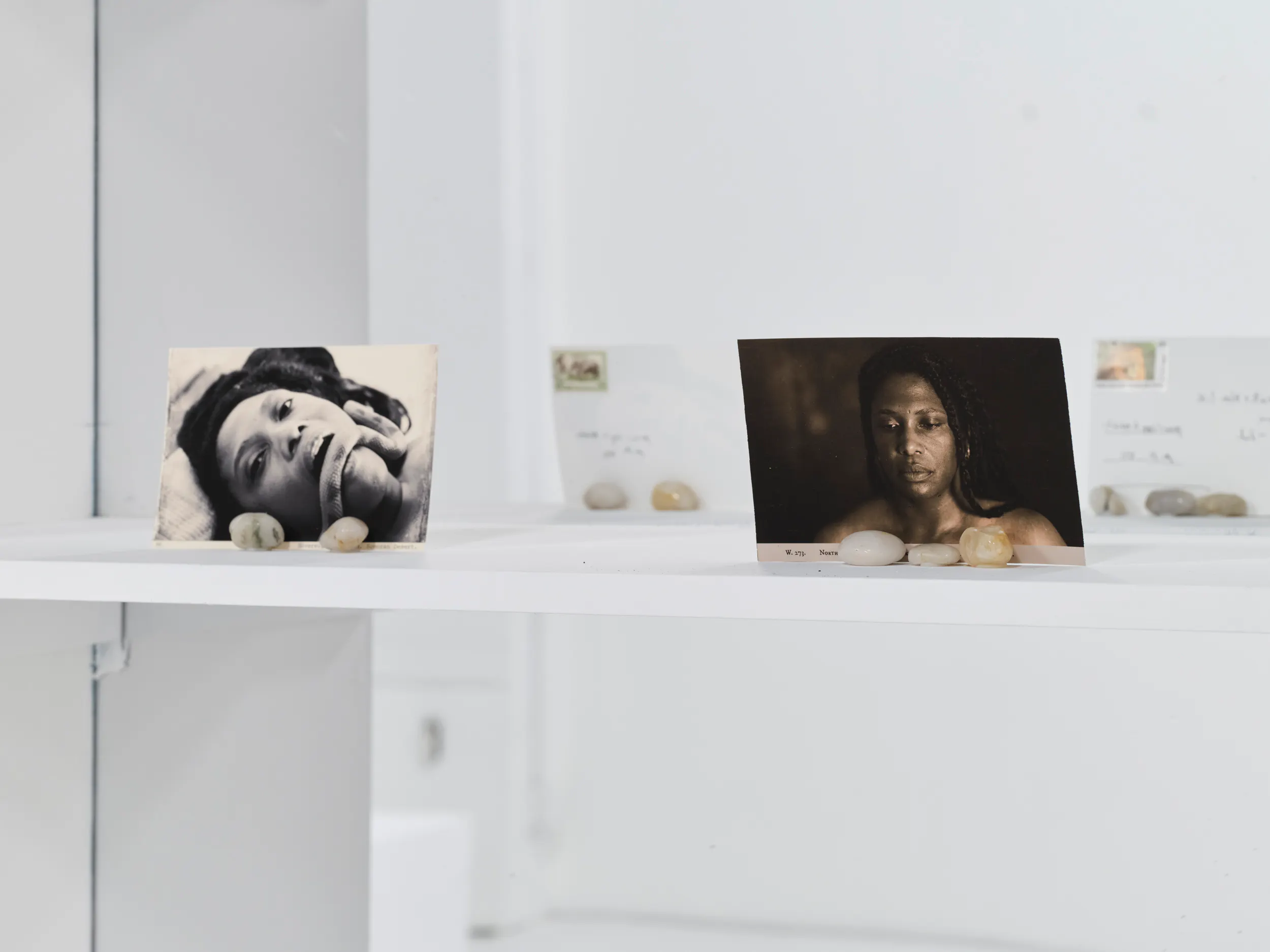
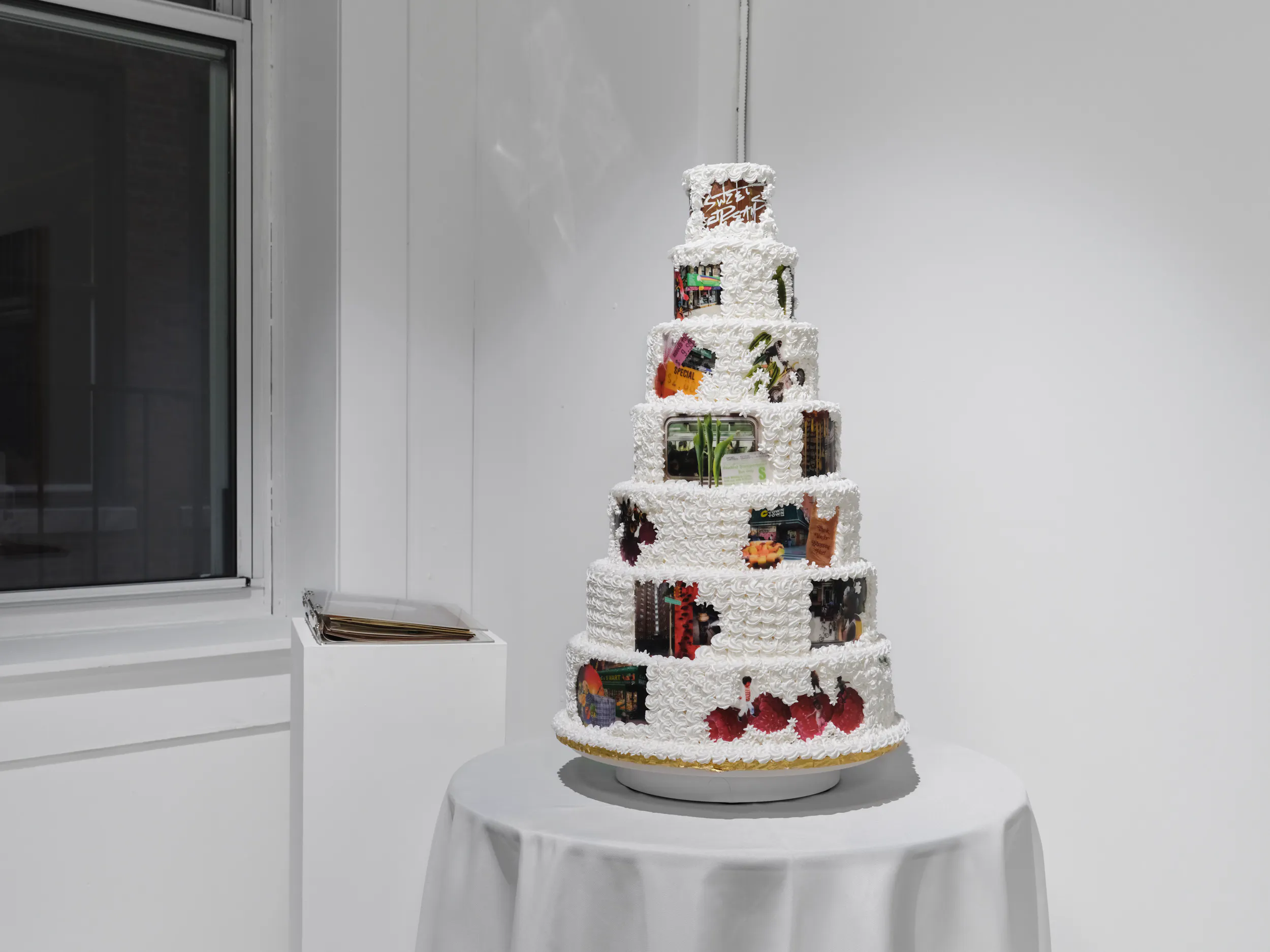
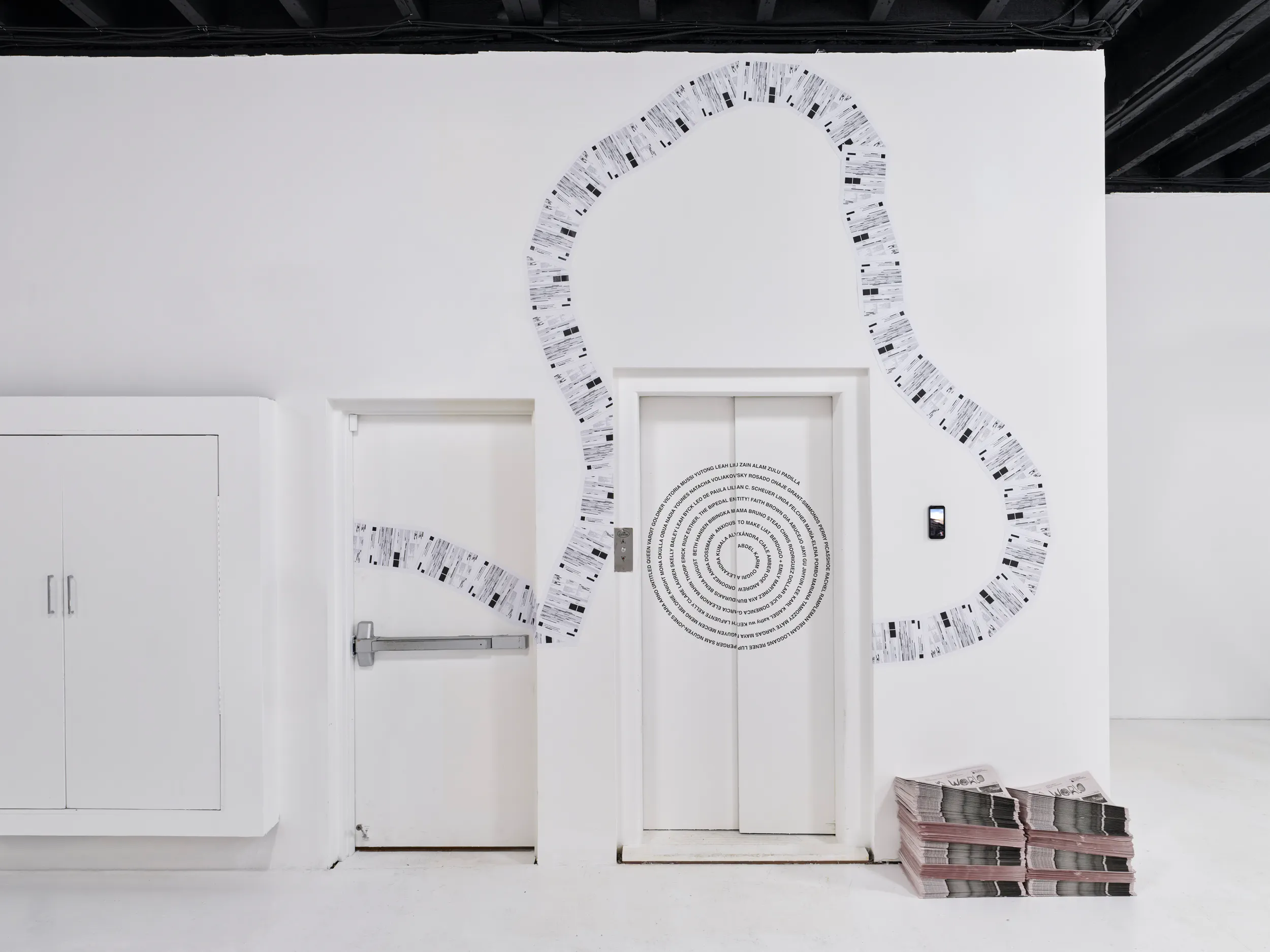
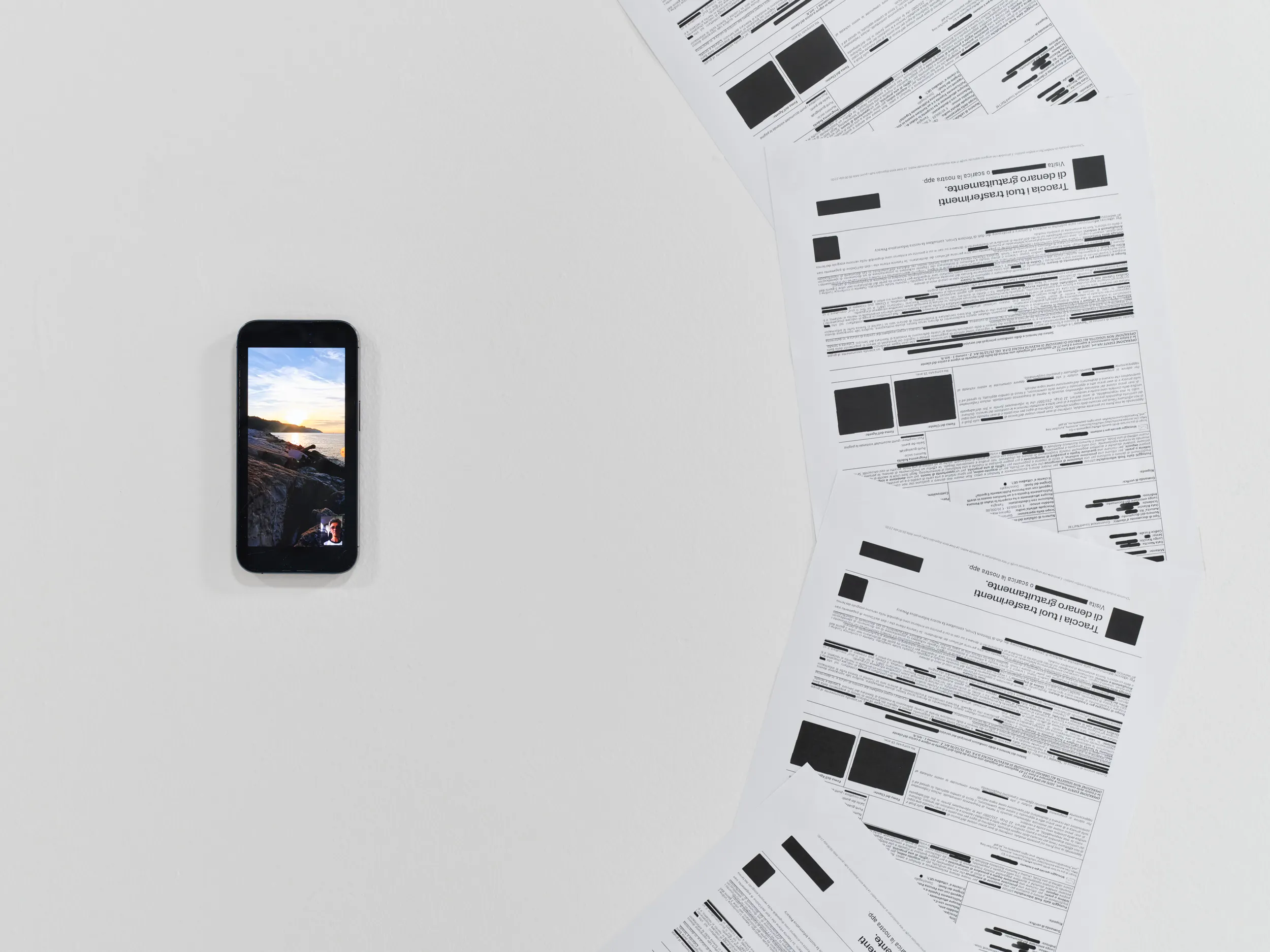
The floor also features Thank you, Come again, a community-engaged installation produced by SoMad Artist-in-Residence Regan de Loggans. The work invites the public to weave consumer detritus into a collective flag, or bandera — built on a loom made from reclaimed police barricades, with plastic bags collected and donated by the community. Drawing on cross-cultural traditions of weaving and craft, the installation problematizes the parallels between plastication, policing, and immigration in a time of climate crisis, asserting that just like the plastic bag, immigrant communities will permeate and remain ever-present within the American zeitgeist.
The exhibiting artists are: Faith Brown, Kelly Clare, Leo de Paula, Amber Doe, Anna Dossmann, Onaje Grant-Simmonds, Jiayi Gu, Melonie Knight, Keith Lafuente, Yutong Leah Liu, Meicen Meng, Sam Nguyen-Jones, Andrew Ordonez, Abdel Karim Ougri, Perry Picasshoe, María-Elena Pombo, Eleanor Mahin Thorp, Kathy Wu, and Nadia Younes.
Explore the 3rd Floor Virtual Gallery
Take a closer look into the artworks and artist who participated in this year's Mad World.
2nd Floor Video Gallery
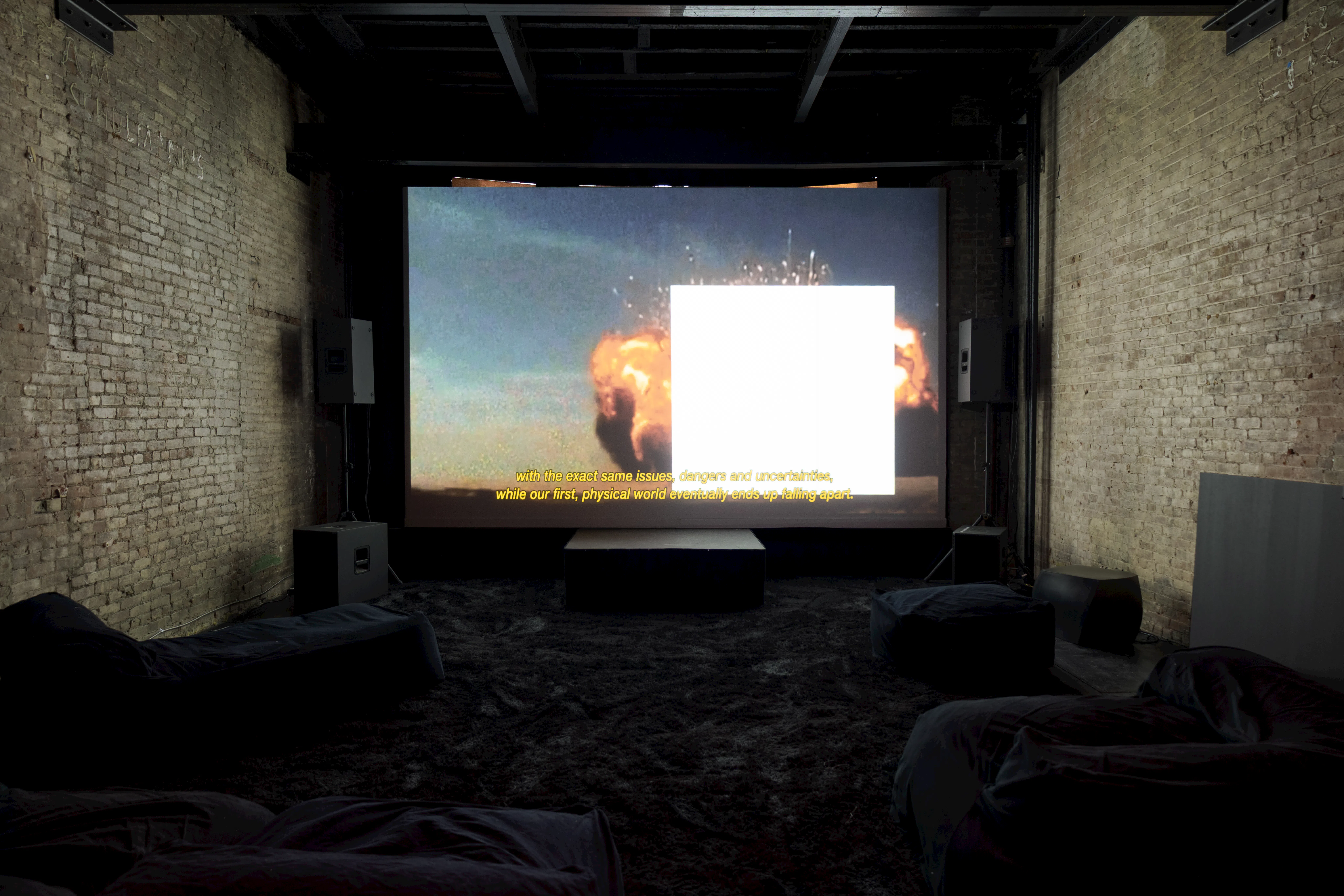
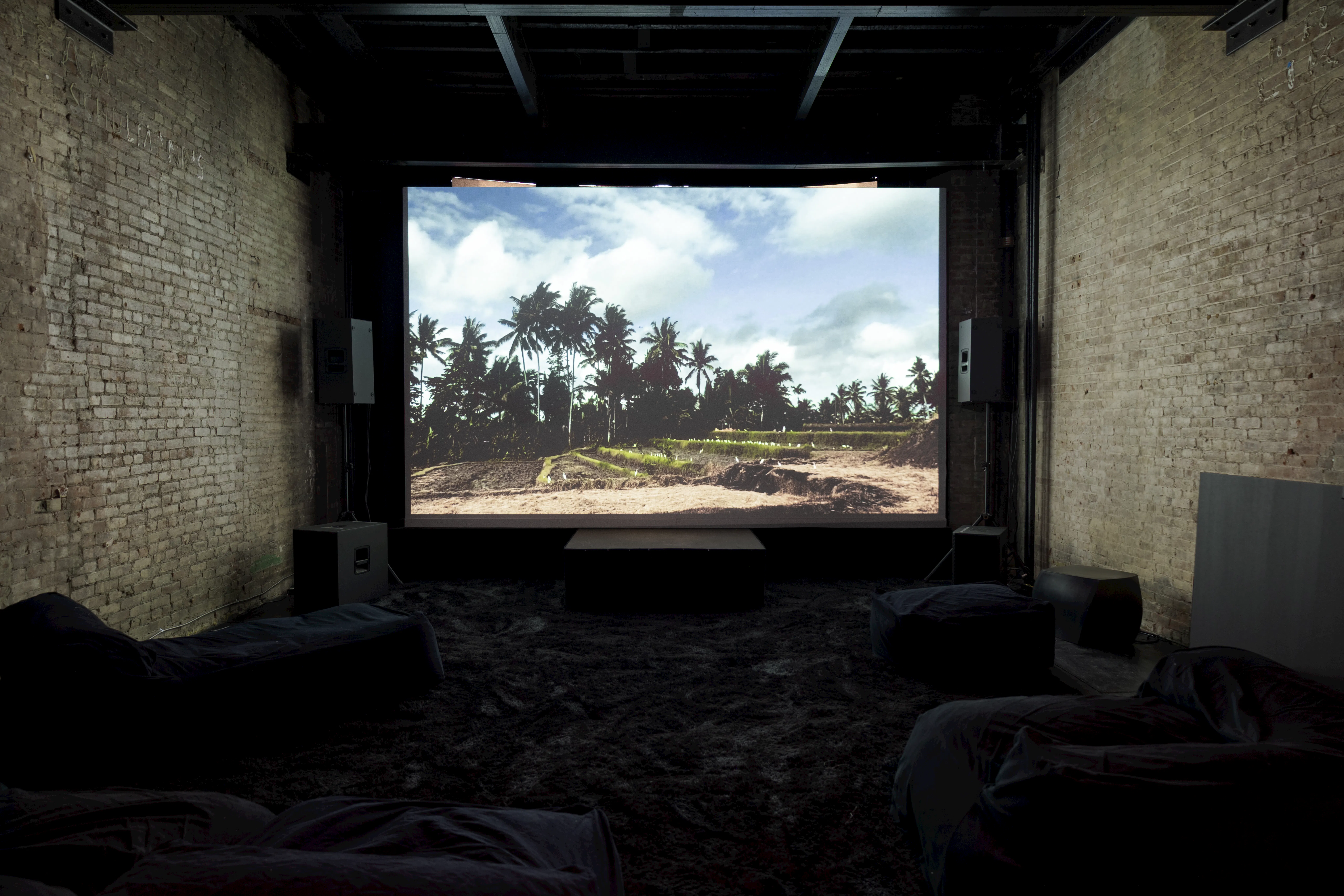
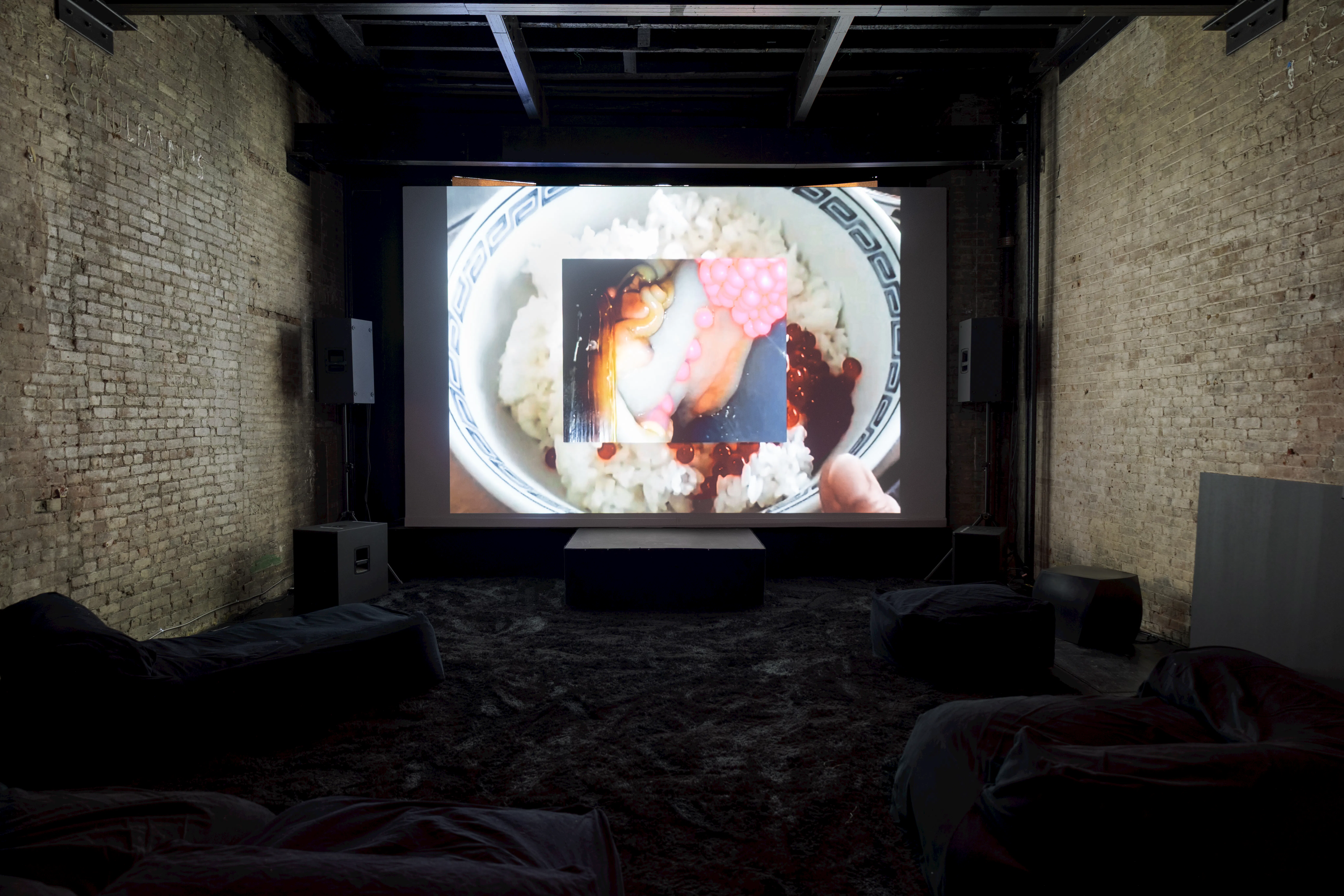
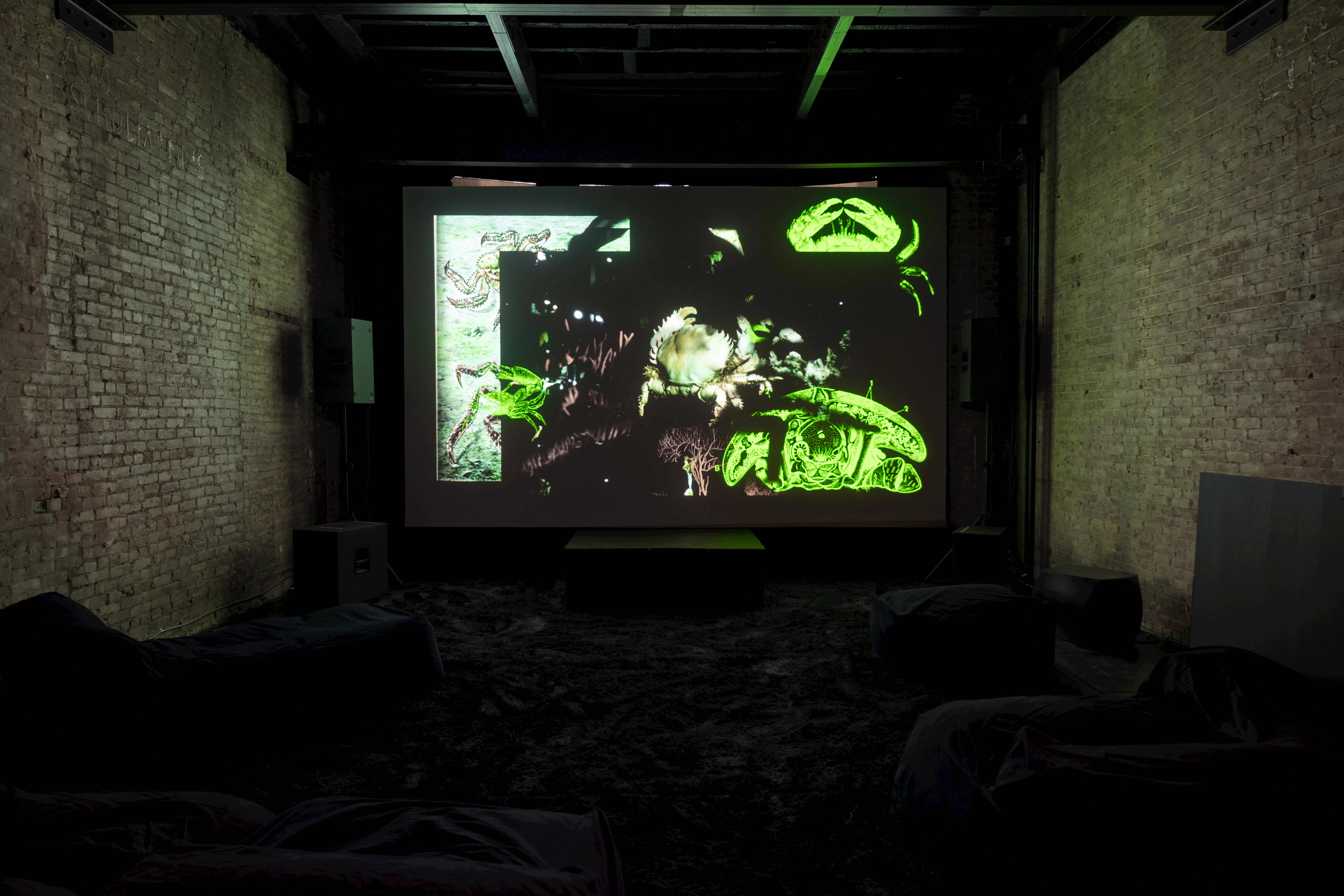
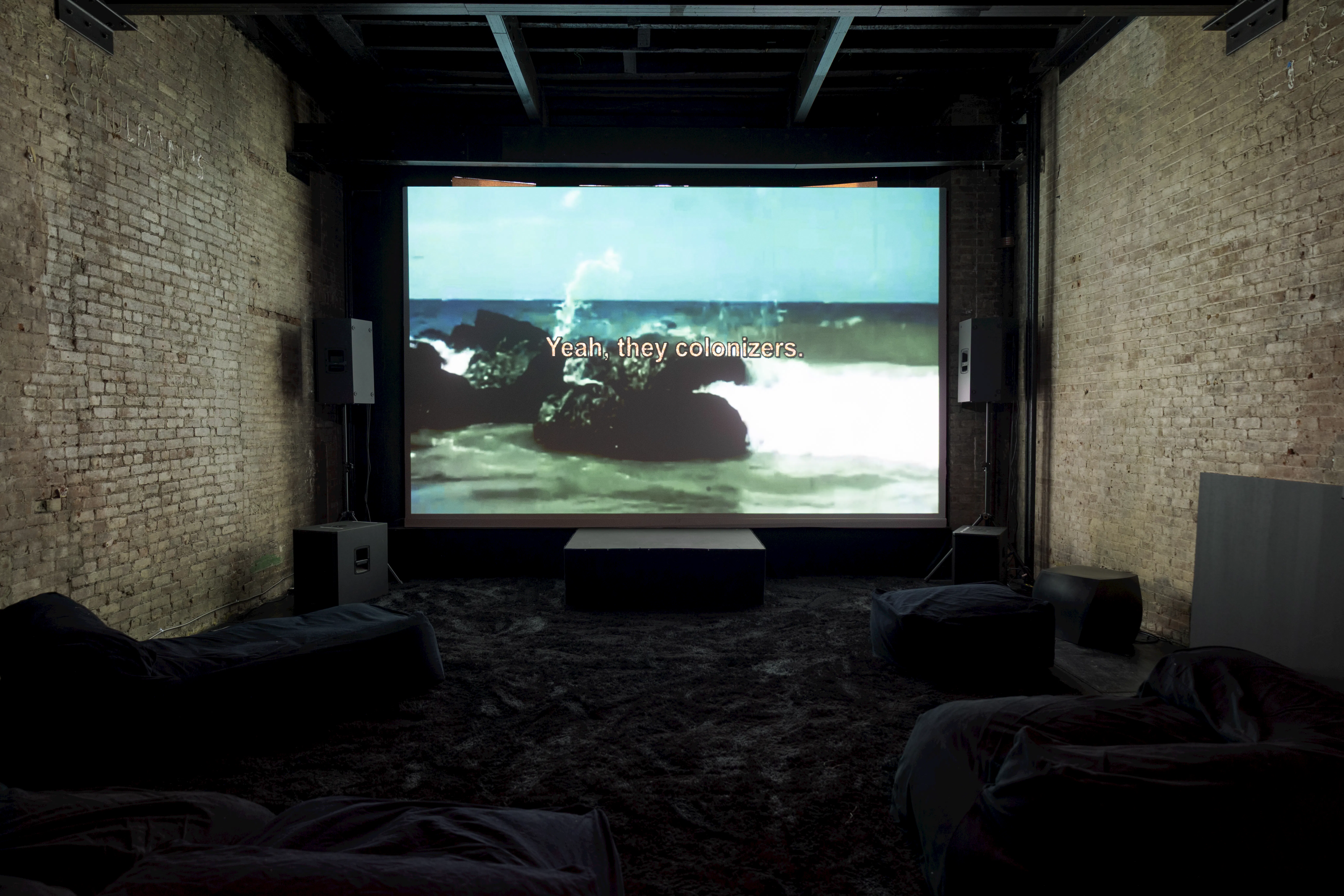
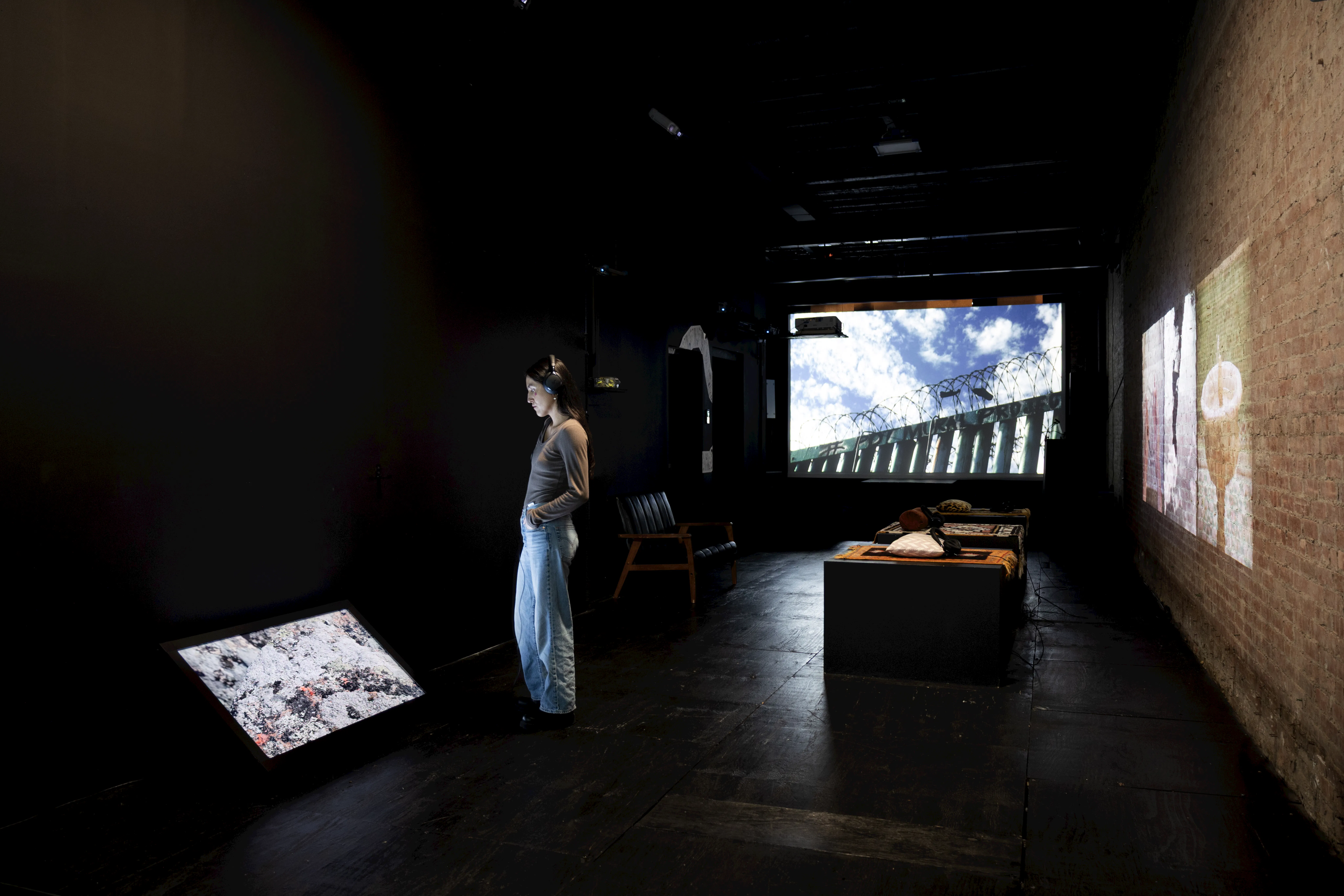
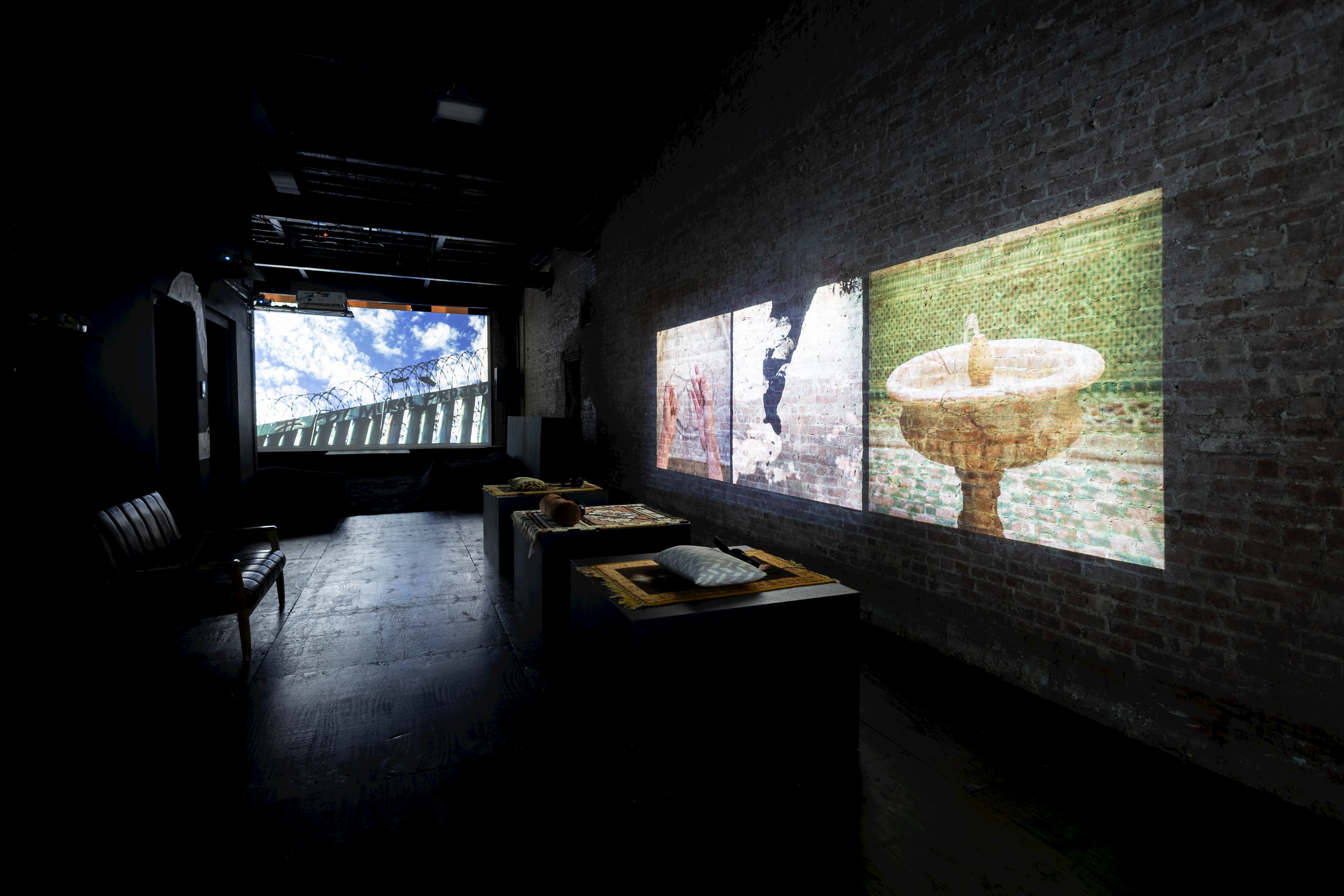
Nine experimental films make up the video loop showcased on a 10 x 16 ft projection screen on the front of the exhibition room. The selection includes: Anxious to Make’s (Liat Berdugo and Emily Martinez) "The Insufferable Whiteness of Being," Aya Bundurakis’s "Egging," Leah Byck’s "To Know Me Is To Know You," Vardit Goldner’s "Swimming Lesson," Karl Kaisel’s "Exquisite Corpse," Alexandra Kumala’s "Notes from Silences," Jihyun Lee’s "Sebastian," Lilian C. Scheuer’s "(null)," and Máte Vargas’s "Someday it Will Fall."
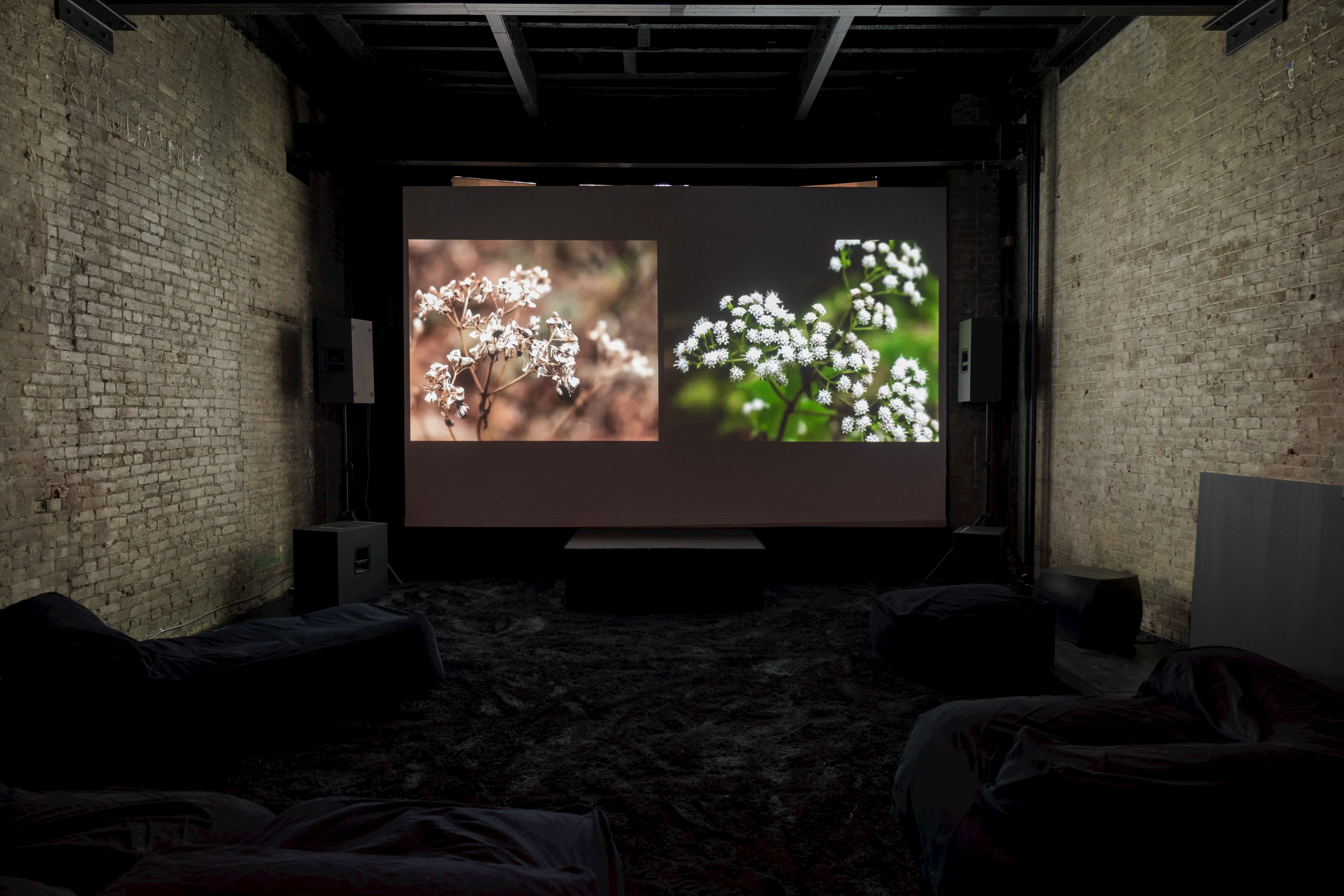
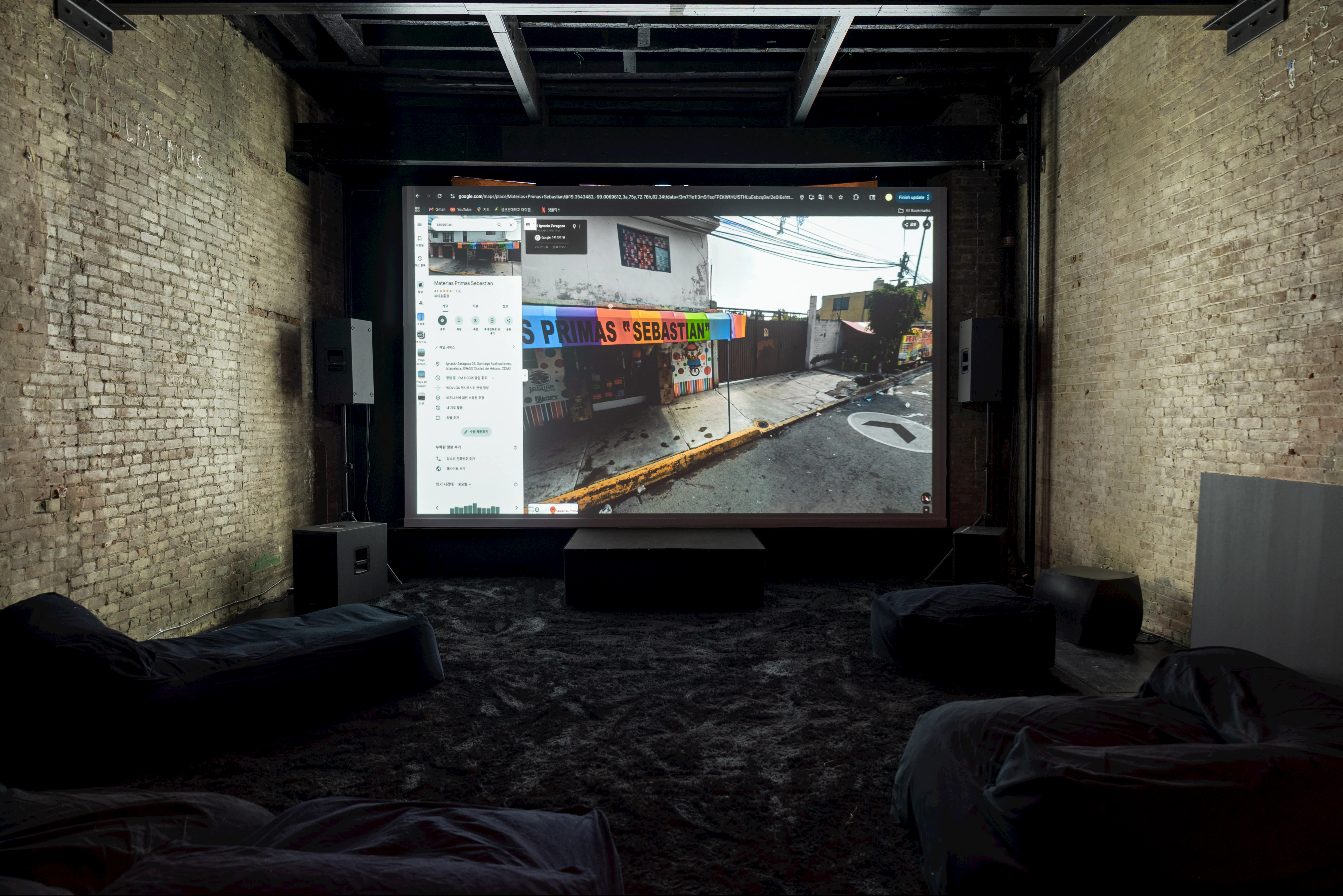
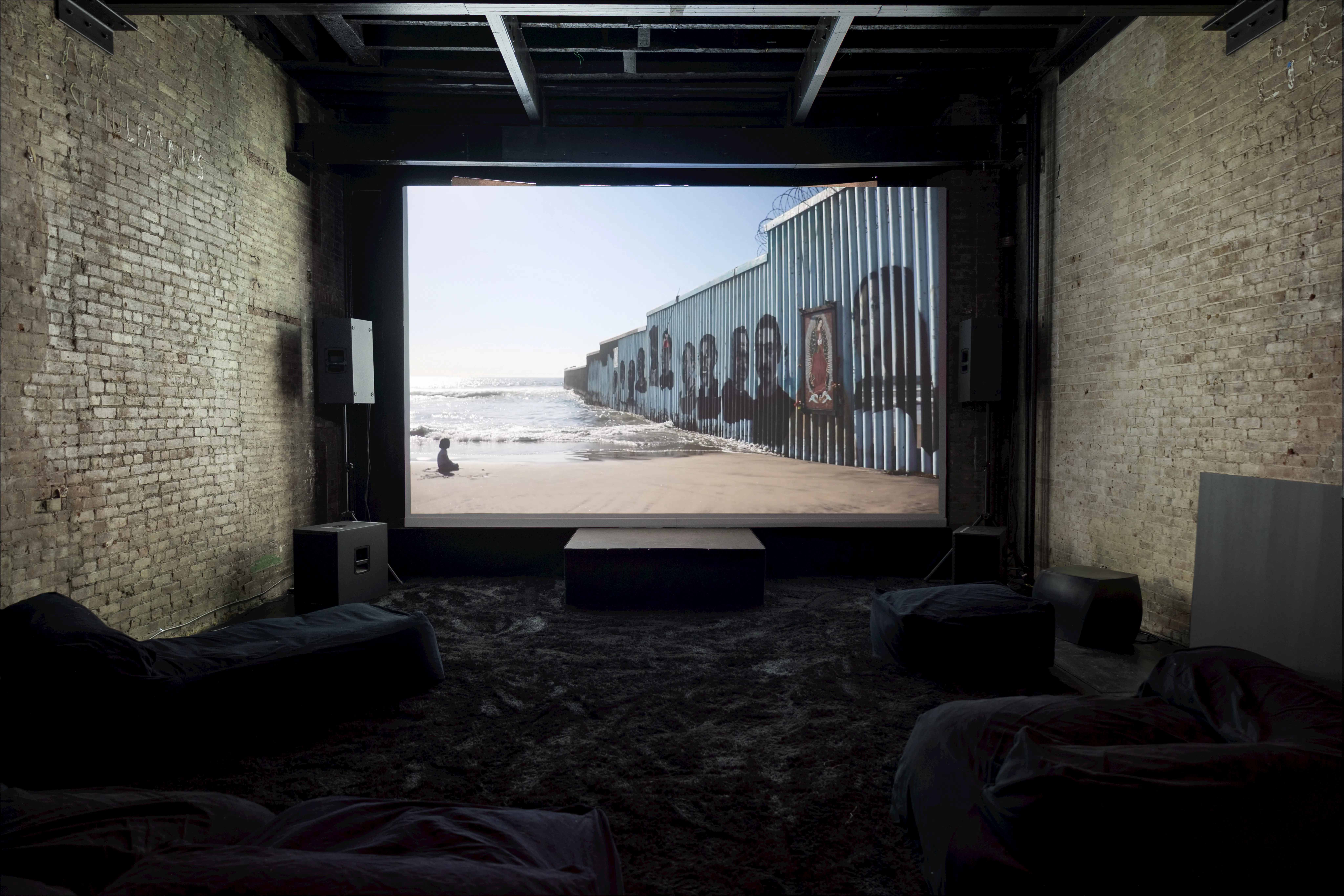
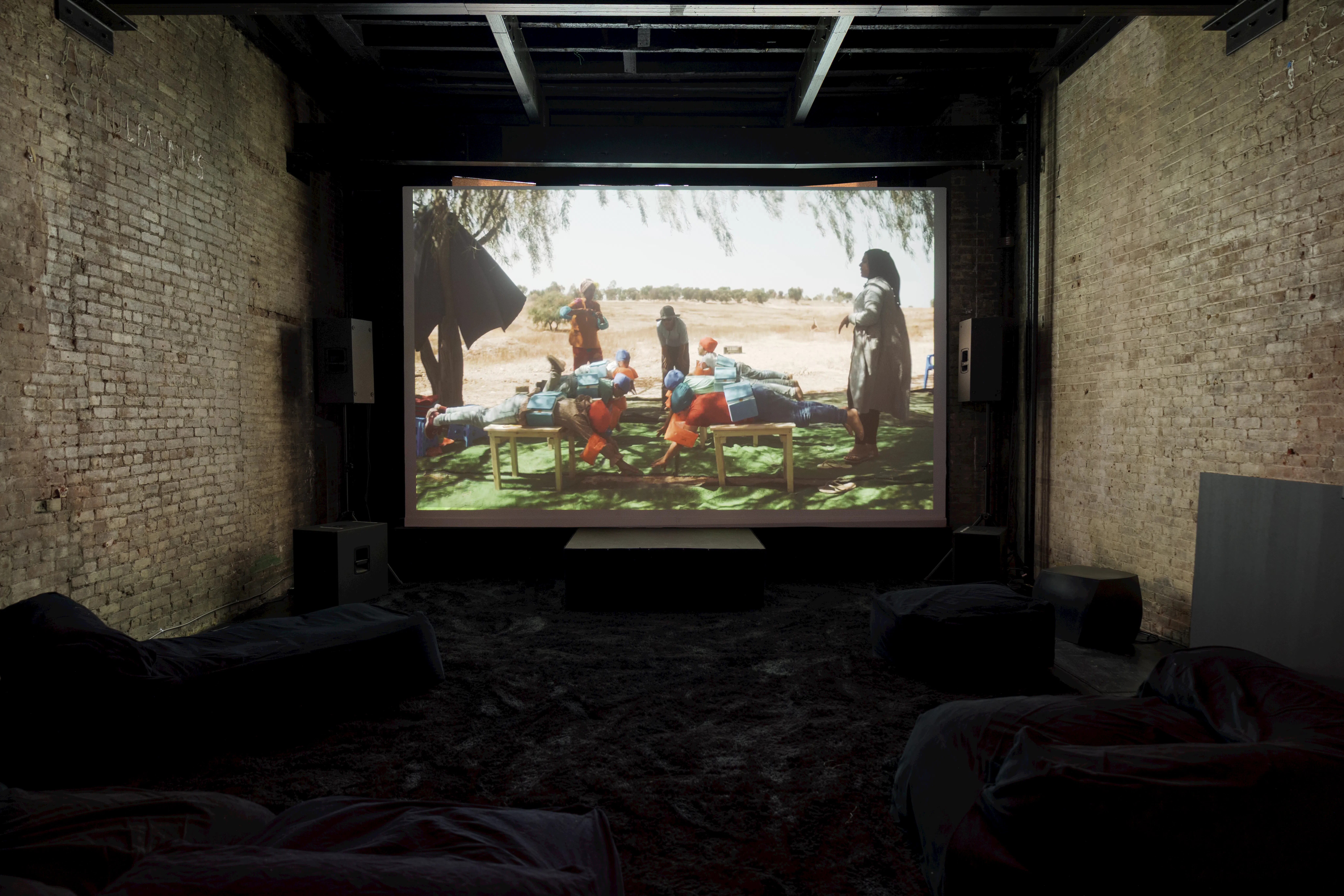
Video Installations
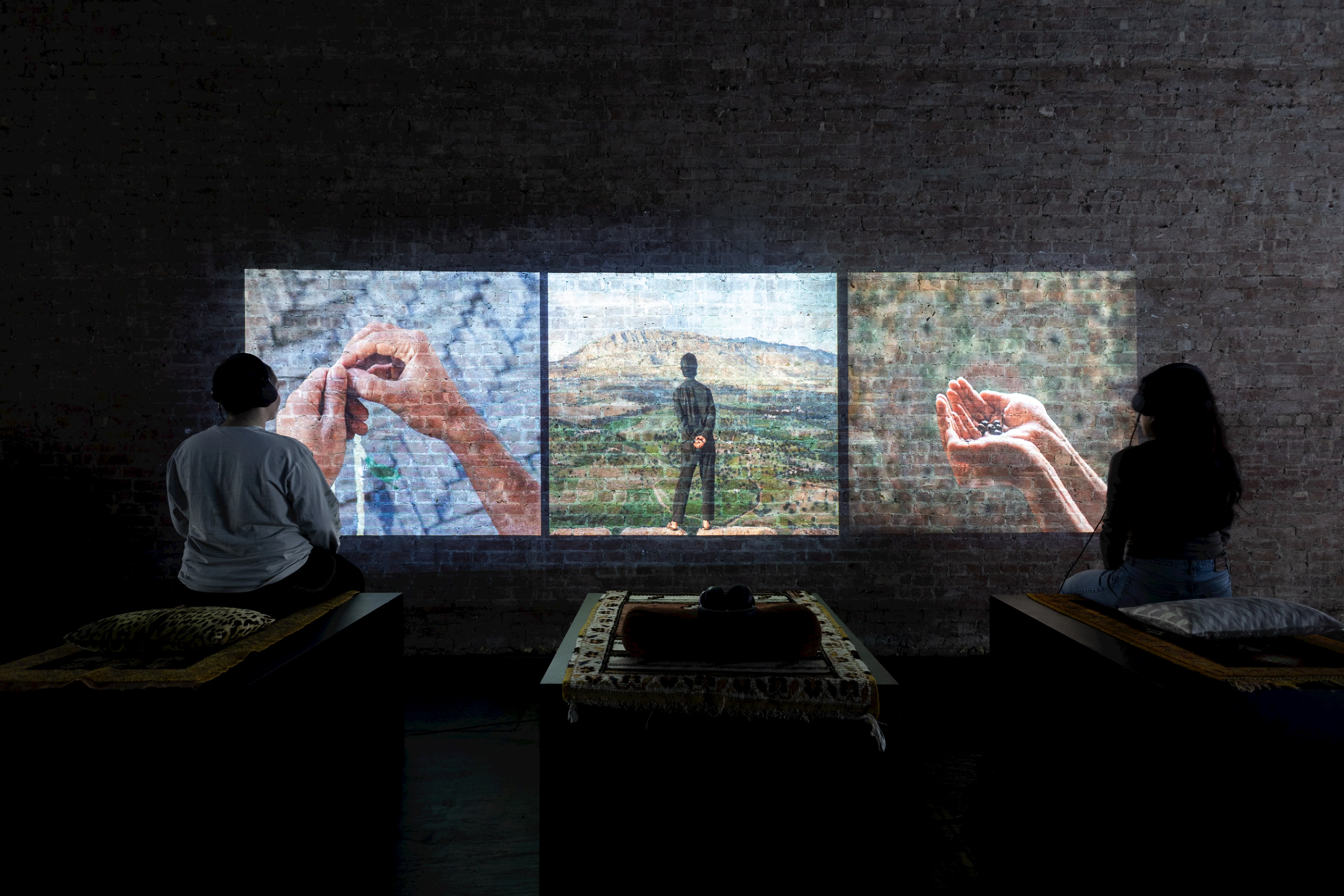
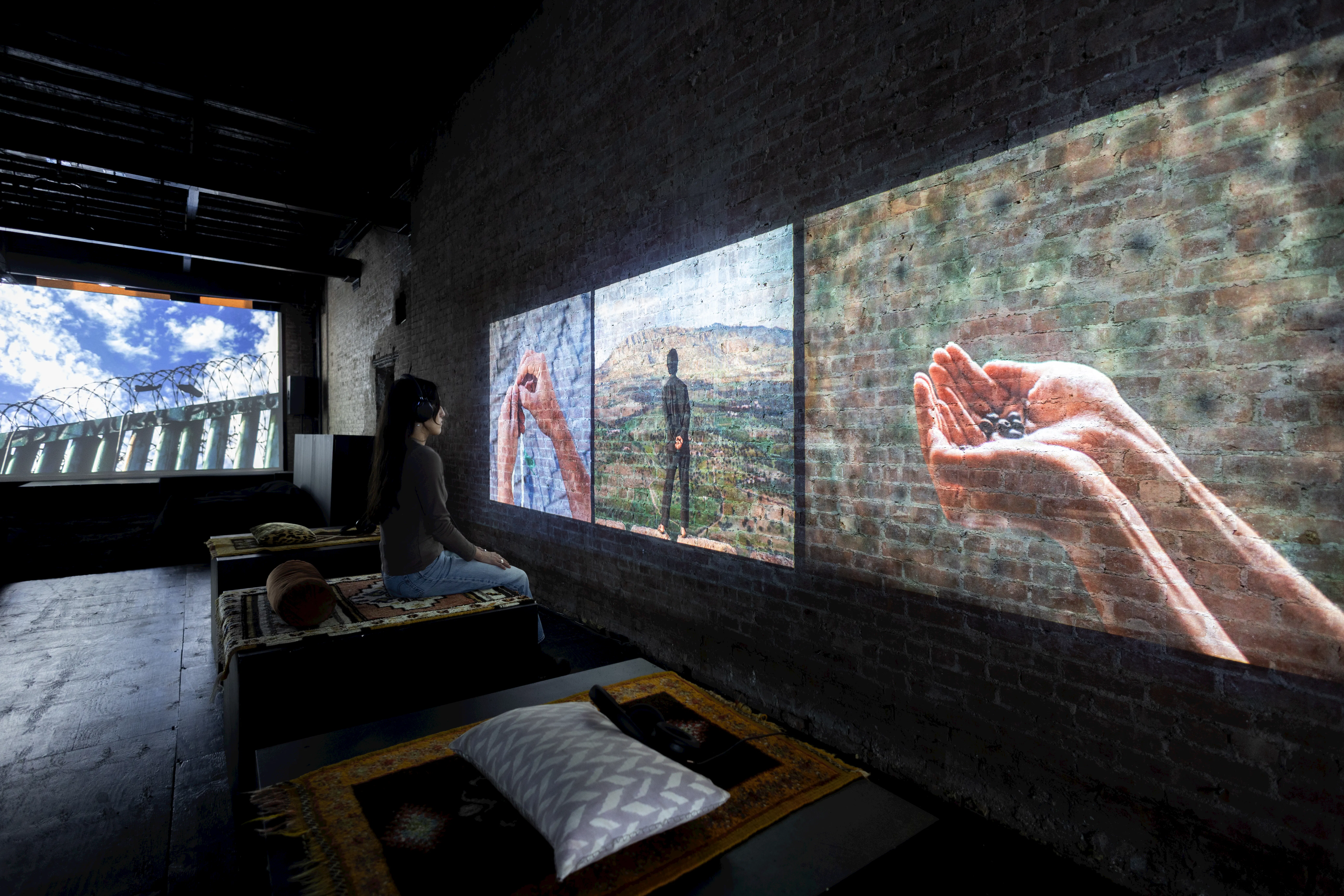
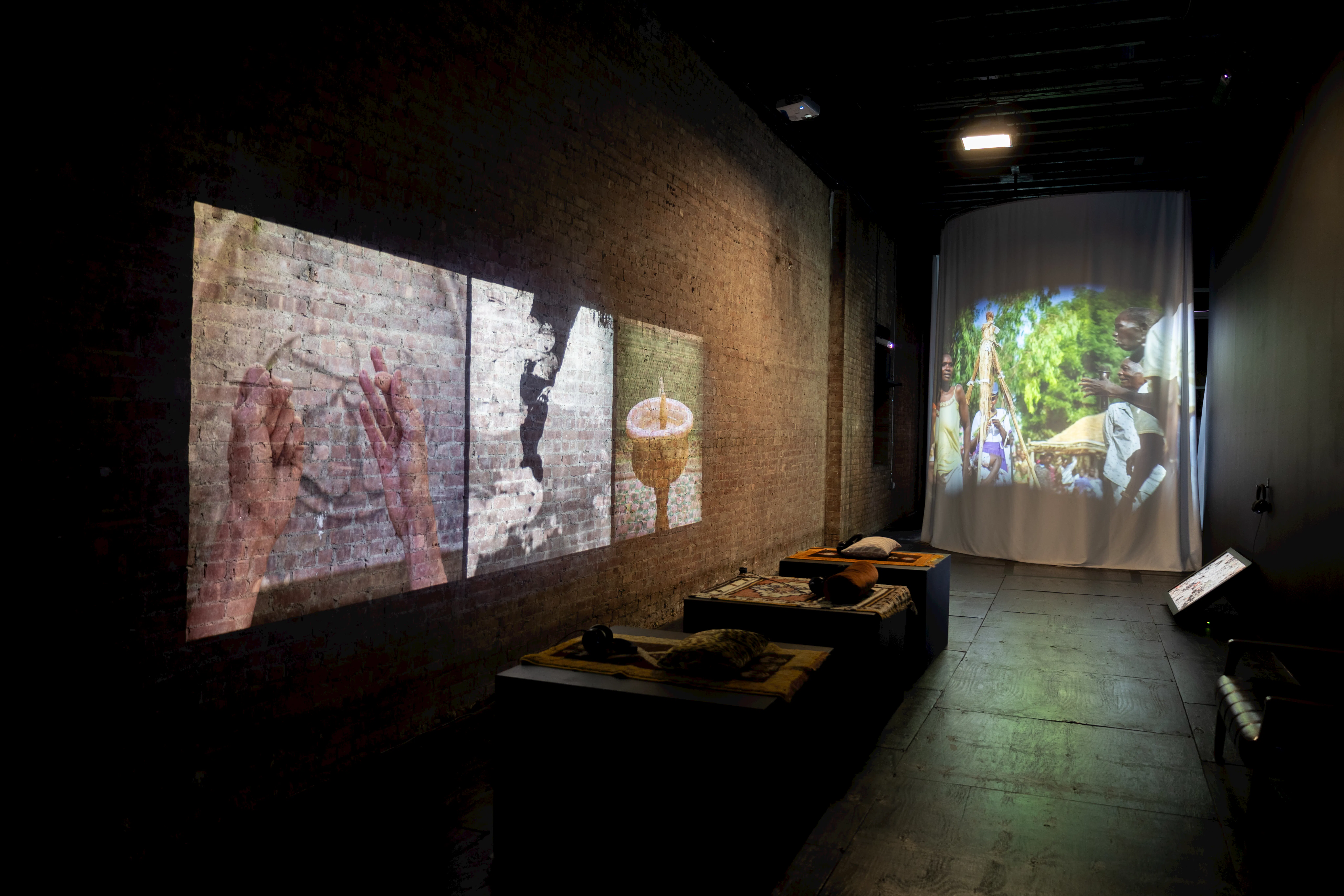
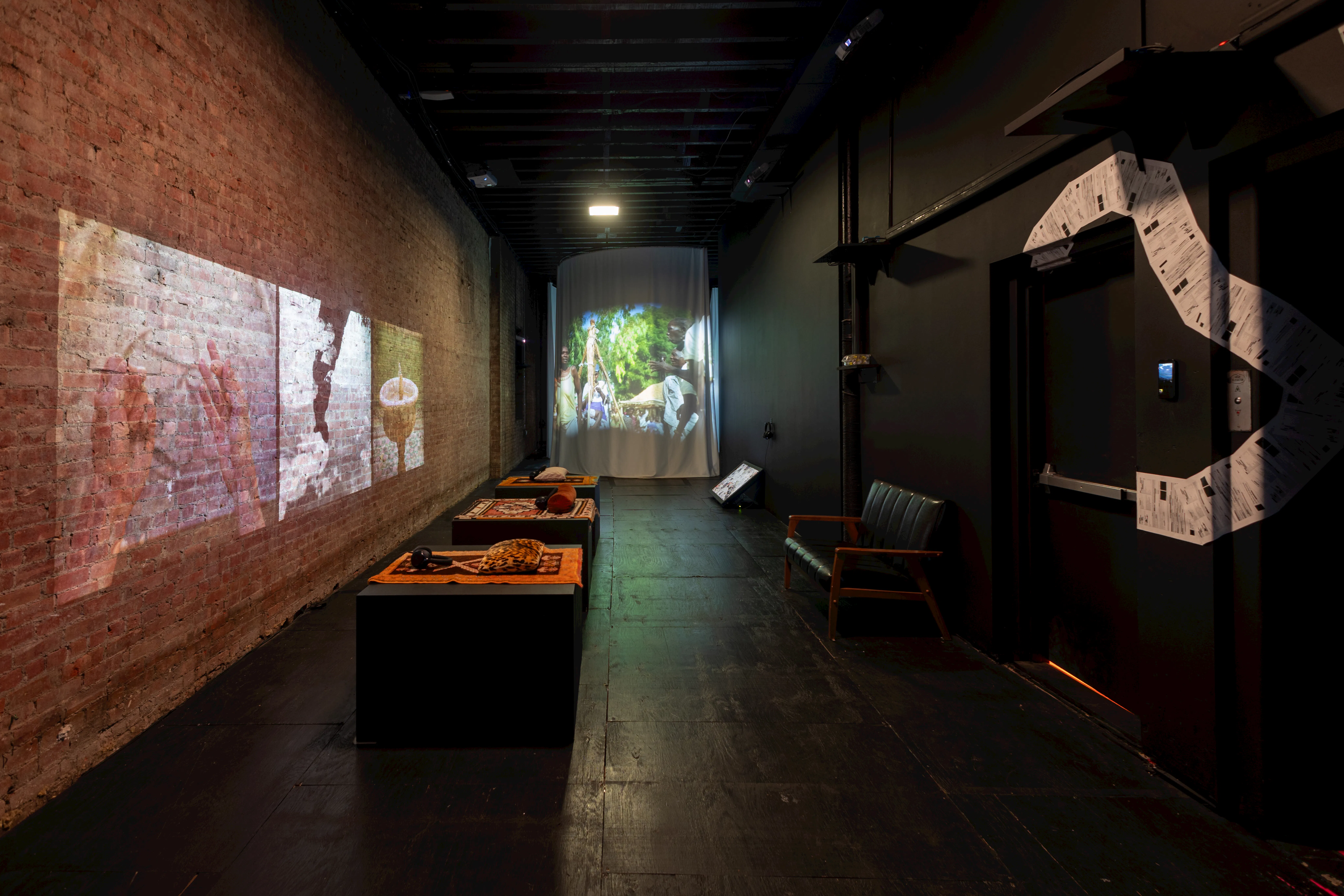
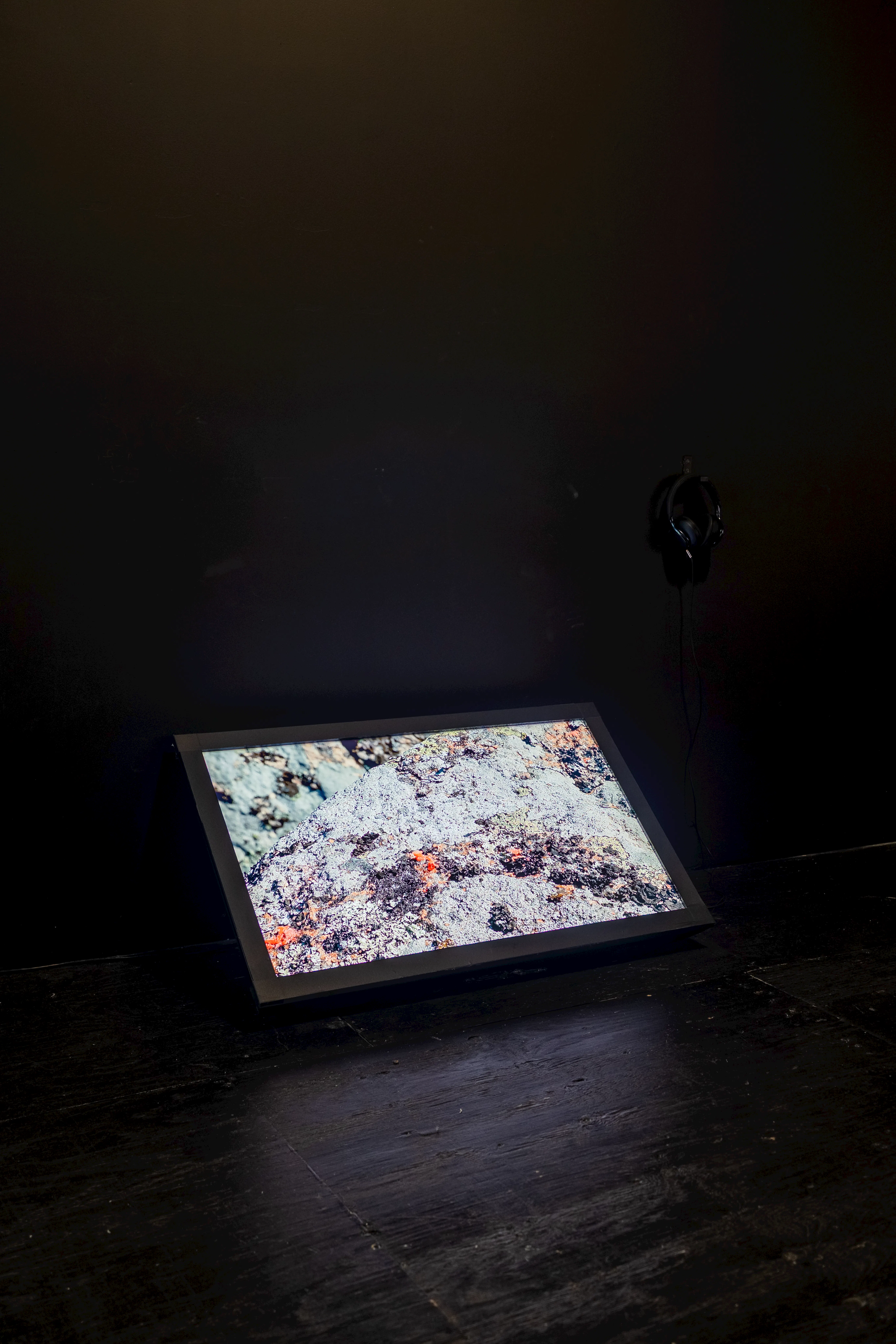
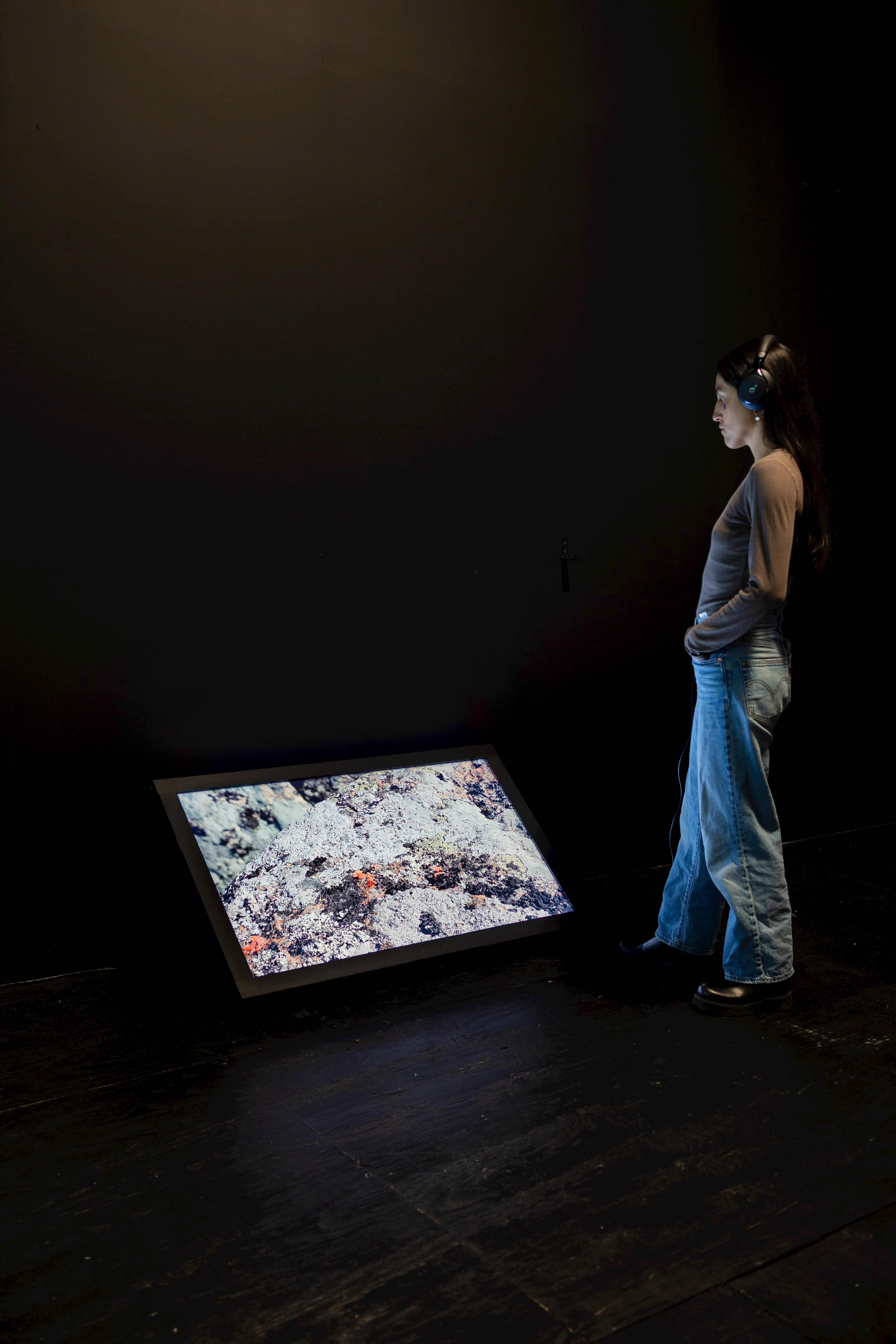
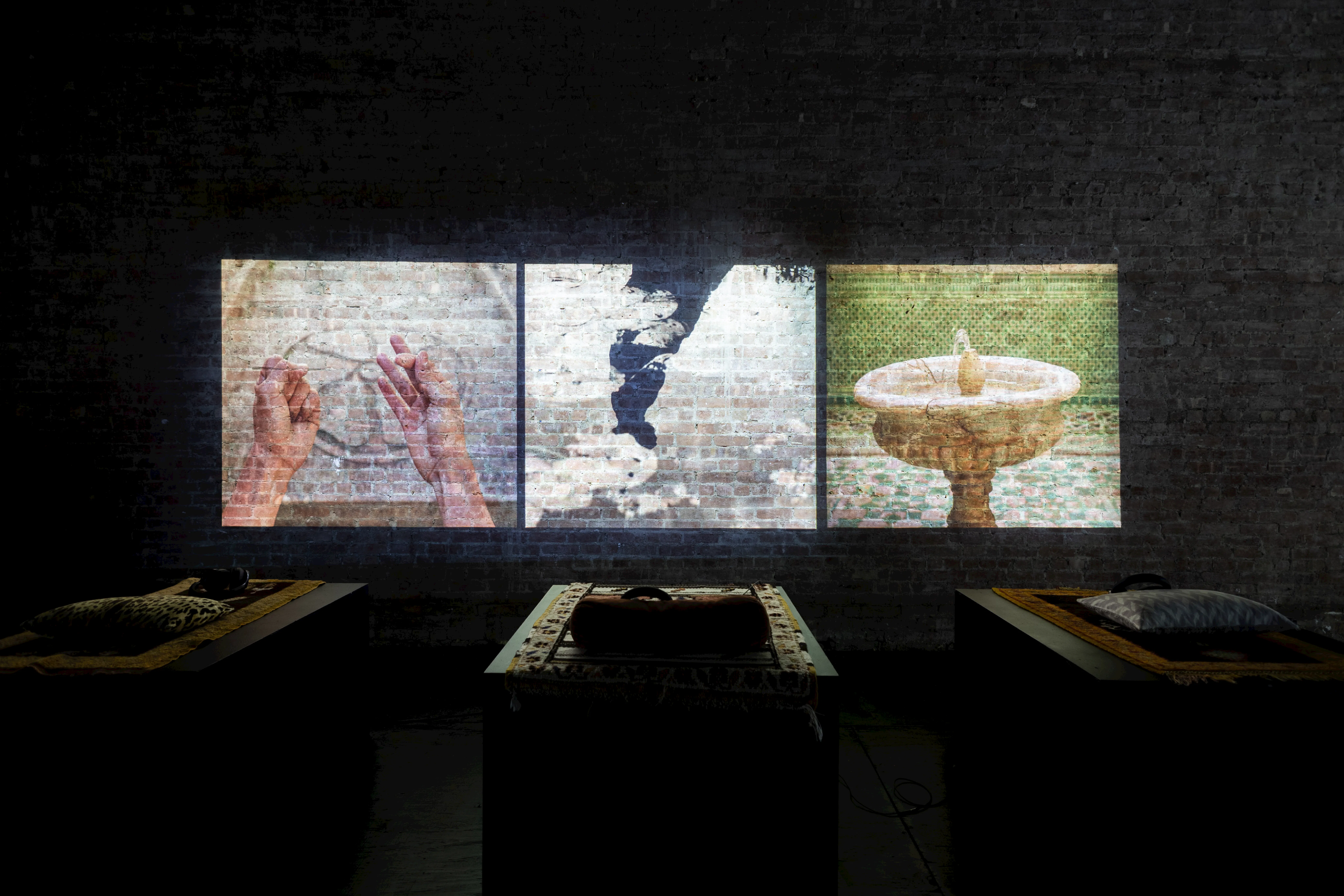
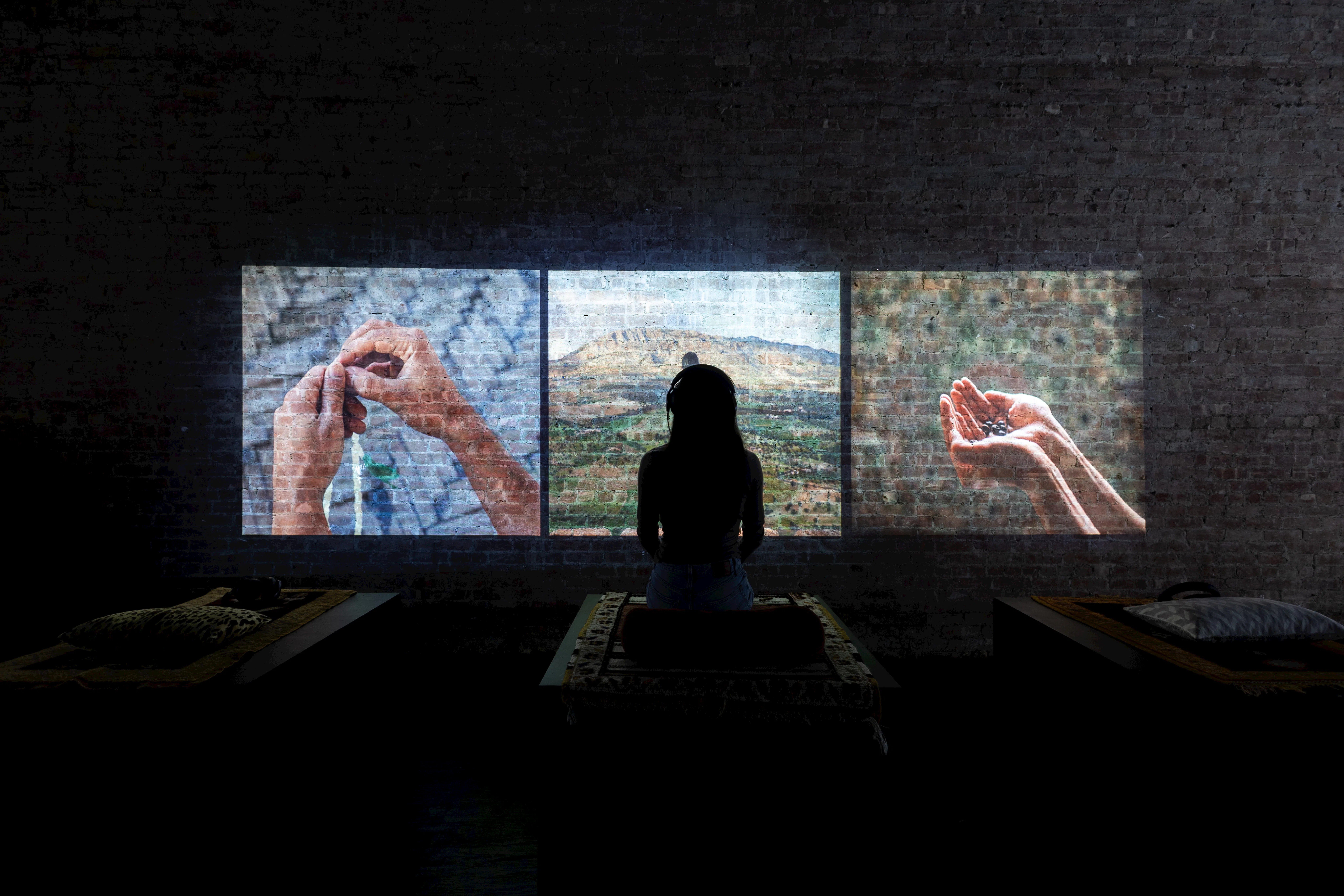
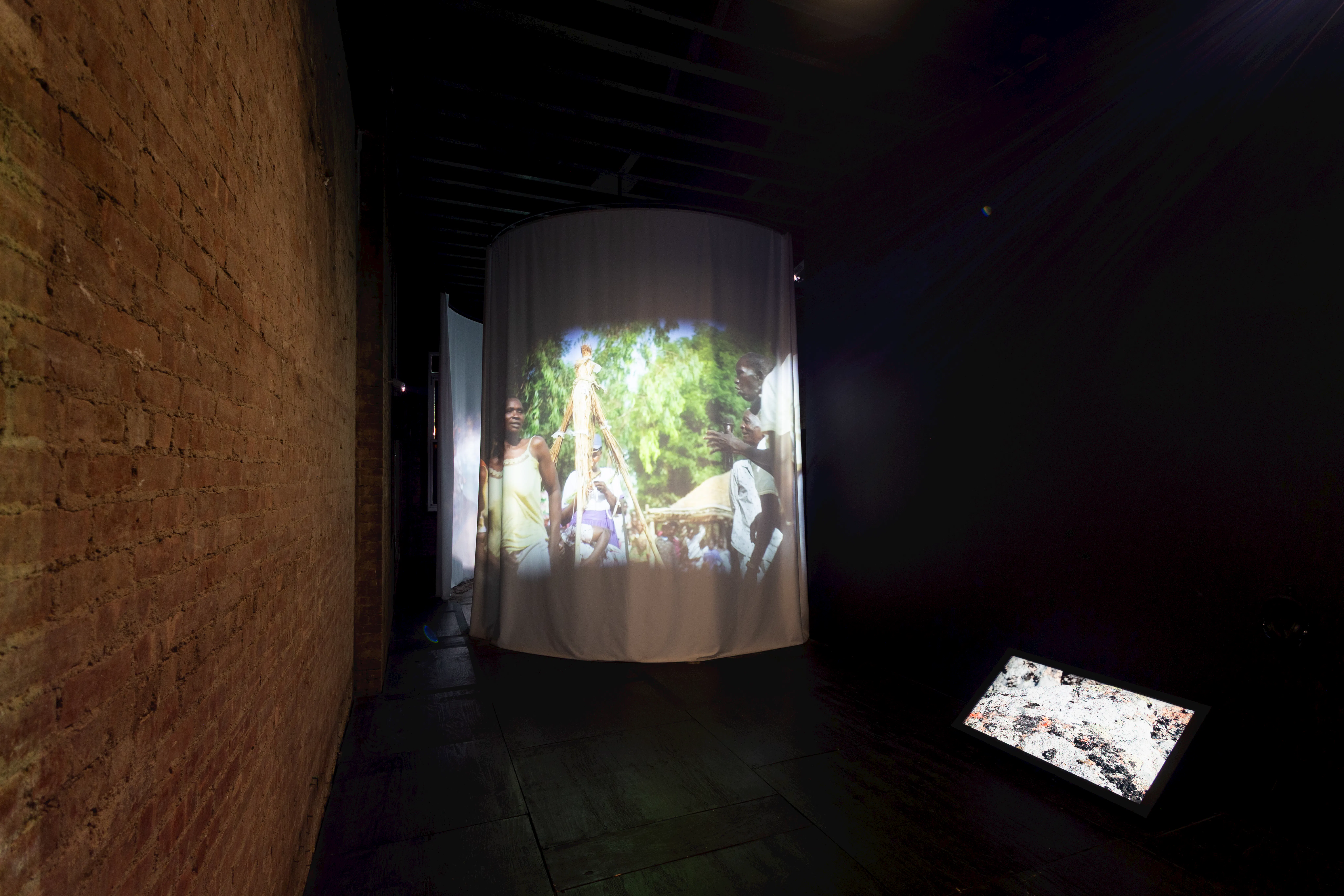
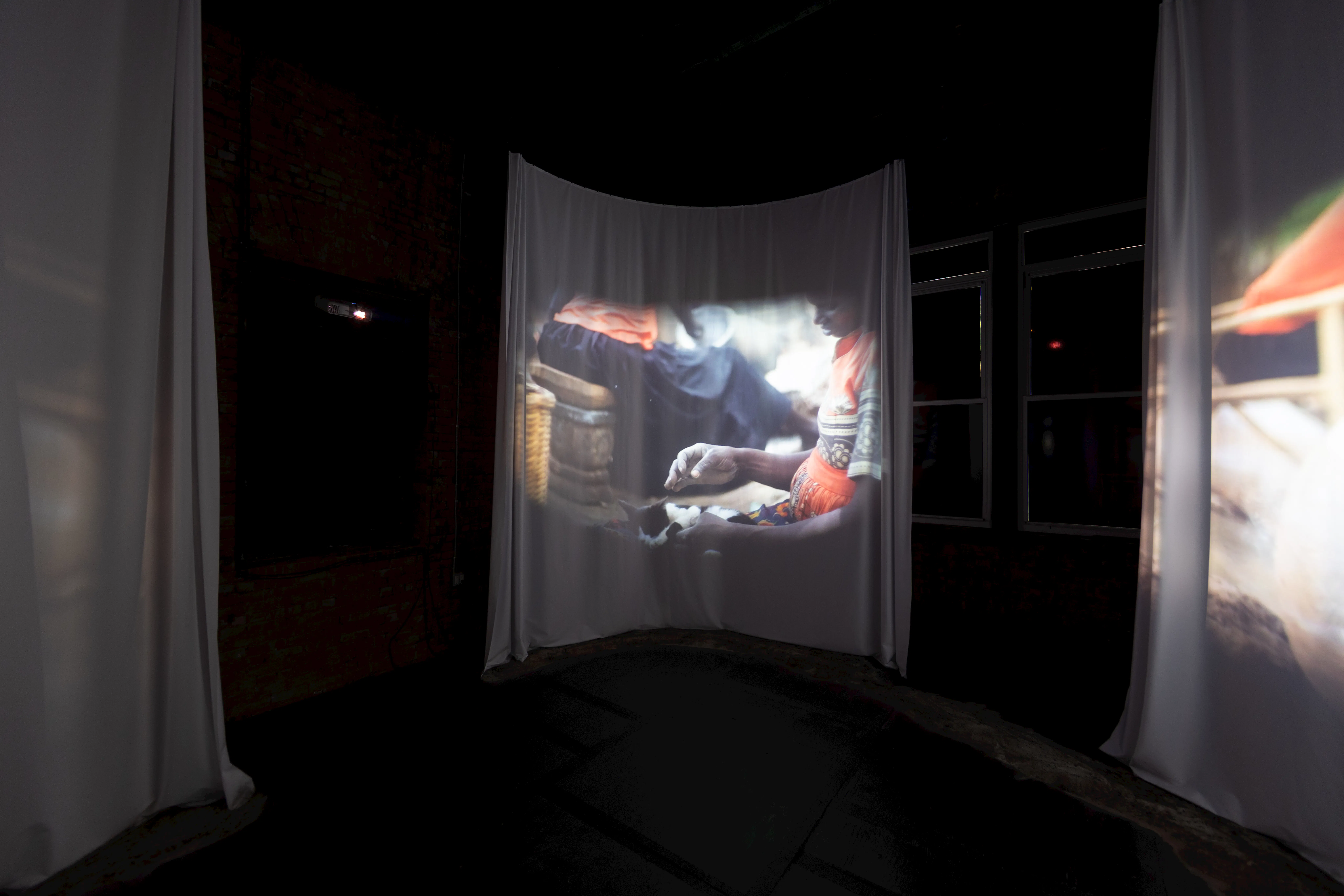
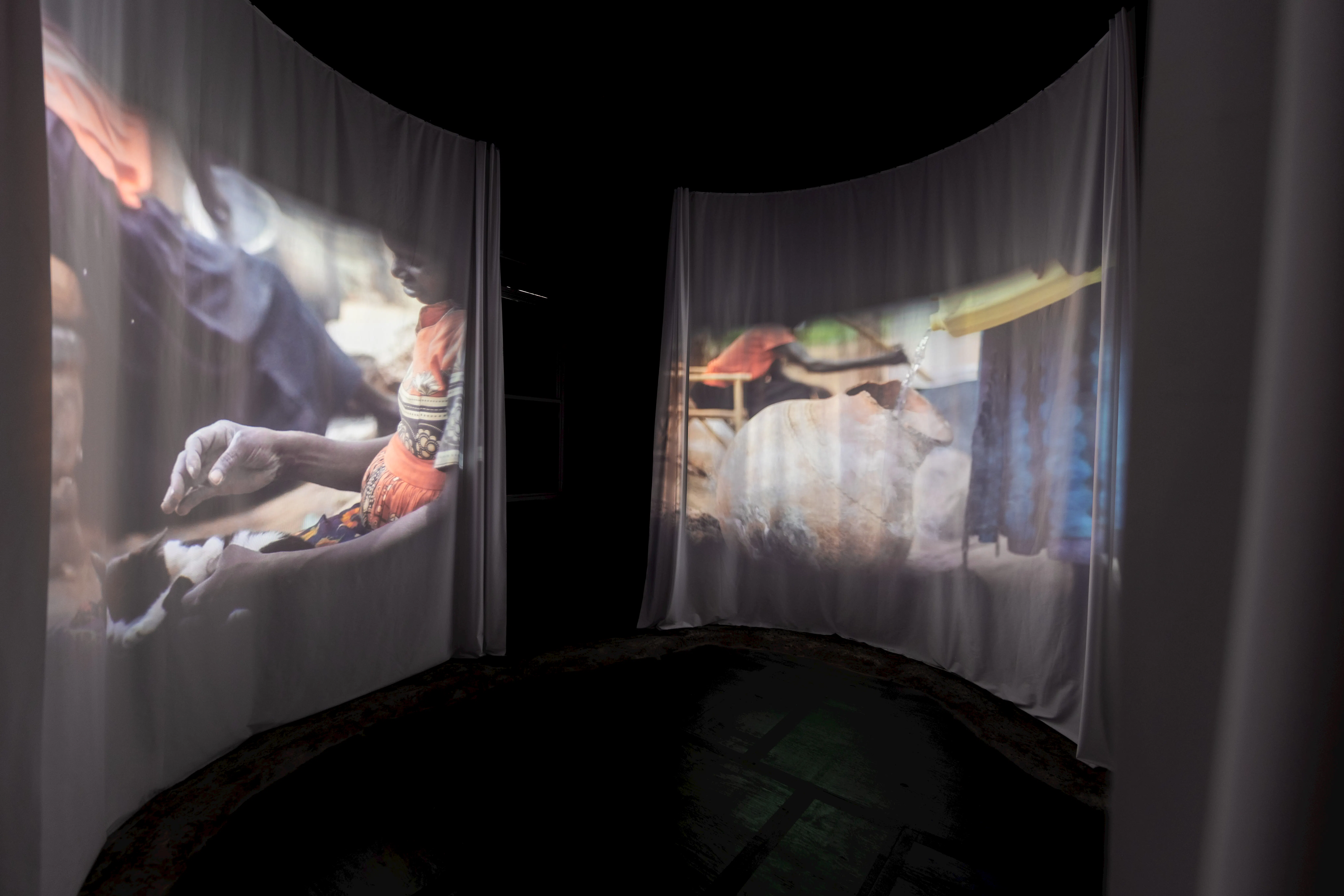
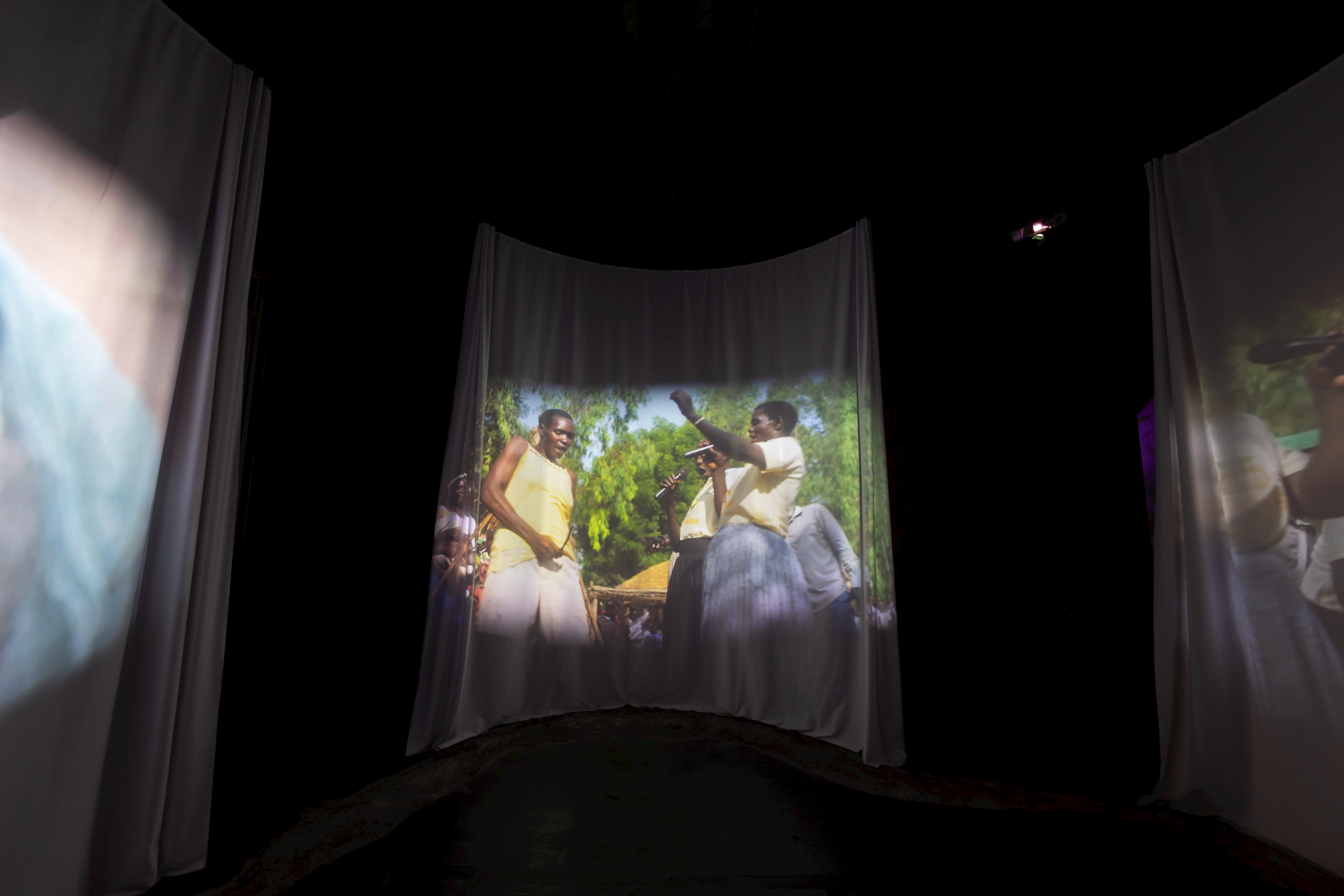
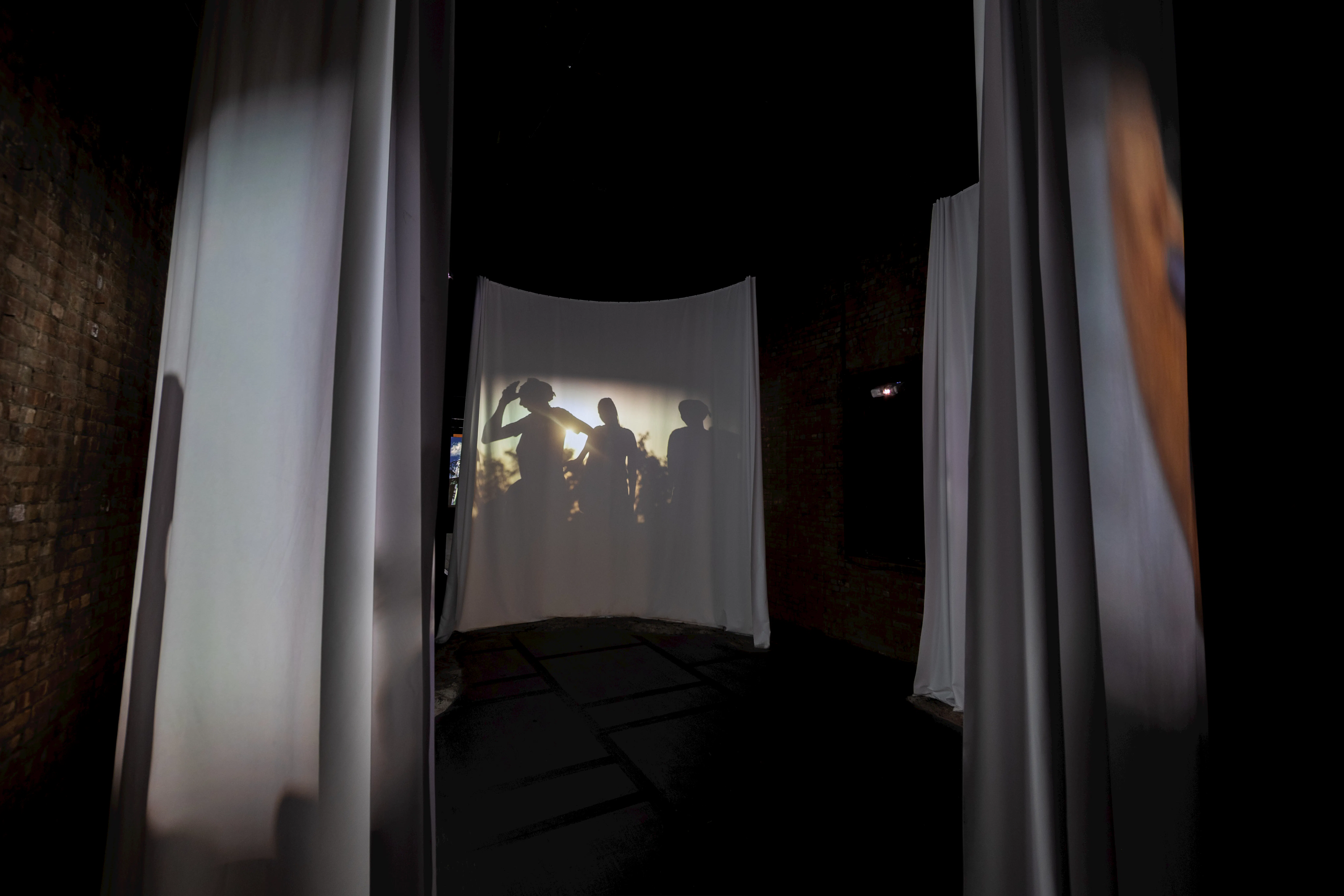
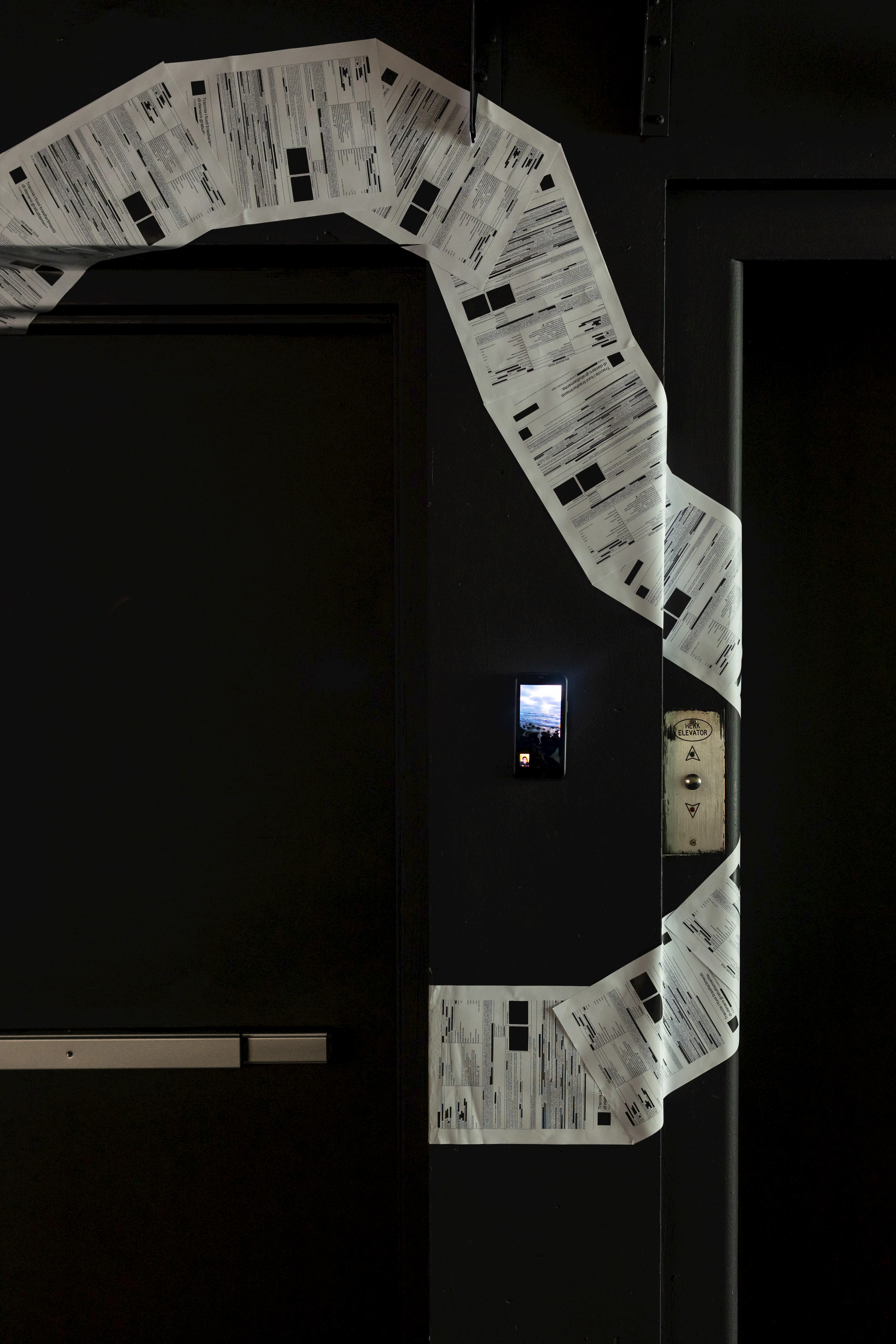
Video installations on the second floor include: Mona Okulla Obua's YAO, a multi-channel, site-responsive work tracing the artist's biracial heritage through the story of the Northern Ugandan Shea Tree as a symbol of intergenerational memory and cultural resilience; Zain Alam's Meter & Light: Day, an inquiry into the rhythmic and spiritual measures of time as lived by Muslims; and Maya Nguyen's Rock Work, a playful, non-permanent intervention documenting the artist's act of covering a natural rock formation in Southwest Finland with pop rocks.
Explore the 2nd Floor Virtual Gallery
Watch the films and video installation pieces of this year's Mad World.


